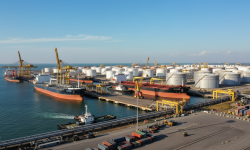
Global shipping networks are experiencing renewed pressure as disruptions across key maritime routes begin to affect the movement of goods into and out of Europe. These developments are forcing companies to reassess logistics strategies while increasing the cost and complexity of international trade. For European economies that rely heavily on imports of raw materials and exports of manufactured goods, the stability of shipping routes remains a critical factor in maintaining economic performance. As disruptions continue, supply chains are being reshaped in ways that may have long term implications for trade efficiency and market stability.
Shipping Instability Forces Supply Chain Adjustments
Maritime transport remains the backbone of global trade, carrying the majority of goods exchanged between continents. When disruptions occur in major shipping corridors, the effects can quickly spread across industries and regions. Delays, rerouting of vessels and increased security measures are among the factors currently influencing shipping operations.
European companies are already responding to these challenges adjusting supply chain strategies. Businesses are diversifying transportation routes, increasing inventory levels and seeking alternative suppliers to reduce the risk of disruption. These adjustments are designed to improve resilience but often come with higher operational costs.
For manufacturers, even minor delays in the delivery of components can disrupt production schedules. This is particularly relevant for industries such as automotive and electronics where supply chains are highly integrated and time sensitive.
Rising Transportation Costs and Trade Impact
One of the most immediate consequences of shipping disruptions is an increase in transportation costs. When vessels are forced to take longer routes or face delays at critical points, fuel consumption rises and shipping capacity becomes constrained. These factors contribute to higher freight rates that are often passed on to businesses and consumers.
European importers are feeling the impact of these cost increases. Higher shipping expenses affect the price of raw materials, consumer goods and industrial components. As a result, inflationary pressures can emerge in sectors that depend heavily on international trade.
Export oriented businesses also face challenges. Increased transportation costs can reduce competitiveness in global markets, particularly for companies operating with narrow profit margins. Maintaining price stability while managing higher logistics expenses becomes a key concern for exporters.
Strategic Importance of Trade Routes
Key maritime routes play a central role in connecting Europe with global markets. Routes linking Europe to Asia, the Middle East and the Americas are essential for maintaining steady flows of goods. Disruptions in any of these corridors can have significant consequences for trade volumes and delivery timelines.
European policymakers and industry leaders are increasingly focused on ensuring the security and reliability of these routes. Investments in port infrastructure, digital logistics systems and international cooperation are part of efforts to strengthen trade resilience. improving efficiency and coordination, stakeholders aim to reduce the impact of disruptions on supply chains.
Ports across Europe are also adapting to changing conditions. Increased demand for storage capacity, improved handling systems and faster processing times are helping mitigate some of the challenges associated with shipping instability.
Supply Chain Diversification and Resilience
The current environment has accelerated a broader shift toward supply chain diversification. European companies are exploring new sourcing strategies that reduce reliance on specific regions or transportation routes. This includes developing partnerships with suppliers in different geographic areas and increasing regional production where possible.
Diversification enhances resilience spreading risk across multiple channels. However it also requires careful planning and investment. Businesses must evaluate cost implications, regulatory requirements and logistical feasibility when redesigning supply chains.
For Portugal and other European economies, diversification can create opportunities to strengthen local industries. Increased regional production and improved logistics infrastructure may support economic growth while reducing exposure to global disruptions.
Outlook for European Trade and Logistics
The outlook for European trade will depend on how effectively companies and policymakers adapt to ongoing shipping challenges. While some disruptions may be temporary, the broader trend suggests that supply chain resilience will remain a priority for the foreseeable future.
Technological innovation is expected to play a role in improving logistics efficiency. Digital tracking systems, predictive analytics and automated processes can help companies respond more quickly to disruptions and optimize transportation routes.
At the same time, geopolitical developments will continue to influence trade dynamics. Businesses operating within global markets must remain flexible and prepared to adjust strategies as conditions evolve.
Conclusion
Global shipping disruptions are reshaping European supply chains increasing costs and forcing companies to adapt logistics strategies. Strengthening resilience through diversification and infrastructure investment will be essential for maintaining stable trade flows in an increasingly uncertain environment.