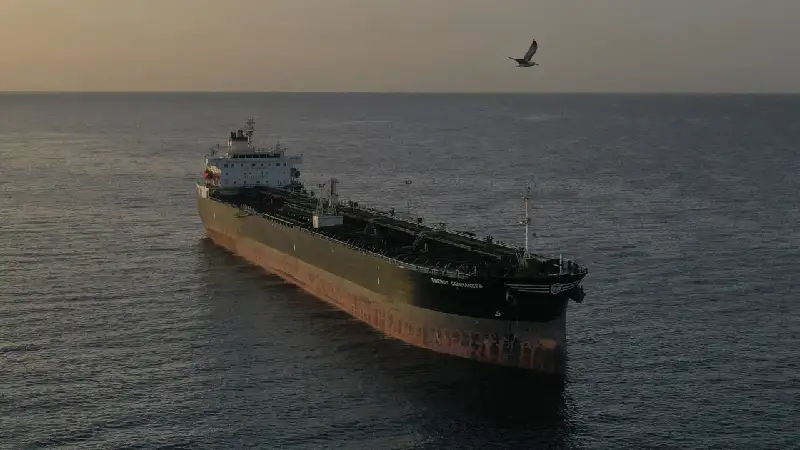
Global oil markets are entering a period of renewed uncertainty as disruptions in key Middle East shipping routes begin to influence supply expectations and pricing trends. For European economies that rely heavily on imported energy, these developments are creating fresh concerns about stability in fuel costs and long term energy planning. The situation reflects how closely energy markets are tied to geopolitical dynamics, where changes in shipping flows and regional tensions can quickly translate into price volatility across global markets.
Middle East Shipping Disruptions Affect Energy Supply Expectations
The Middle East remains one of the most critical regions for global oil production and transportation. A significant portion of the world’s oil supply passes through key maritime routes that connect producers with international markets. When disruptions occur in these areas, even temporarily, the impact can be felt across global energy systems.
Recent developments affecting shipping routes have increased uncertainty around the reliability of supply flows. Delays, rerouting of vessels and increased security concerns have contributed to rising transportation costs and extended delivery times. For energy markets, these factors can influence both short term pricing and longer term supply expectations.
European countries are particularly sensitive to these changes. As major importers of oil and energy products, they must adapt quickly to shifts in global supply conditions. Energy companies and policymakers are closely monitoring developments to assess potential impacts on fuel availability and pricing.
Price Volatility and Market Reactions
Oil prices tend to respond rapidly to geopolitical events, especially those affecting transportation routes. When supply risks increase, markets often react pushing prices higher in anticipation of potential shortages. Even if actual supply disruptions remain limited, uncertainty alone can influence trading behavior and create fluctuations in pricing.
European energy markets have already experienced periods of volatility as a result of these dynamics. Changes in oil prices affect not only fuel costs but also broader economic indicators such as inflation and industrial production. For businesses that rely on energy intensive processes, price fluctuations can have significant operational implications.
Financial markets also respond to shifts in energy prices. Investors closely track developments in oil markets as part of broader assessments of economic stability and growth prospects. Rising energy costs can place pressure on economic activity, particularly in regions that depend heavily on imports.
European Energy Strategy Under Pressure
The current situation highlights the importance of energy strategy within the European Union. Policymakers have spent recent years working to diversify energy sources and reduce dependence on external suppliers. Investments in renewable energy, infrastructure and alternative supply routes are part of this broader strategy.
Despite these efforts, oil remains an essential component of Europe’s energy mix. Transportation, industrial production and various sectors continue to rely on petroleum products. As a result, disruptions in global oil supply chains can still have immediate effects on European economies.
Countries across Europe are exploring ways to enhance energy resilience. Strategic reserves, diversified import partners and improved logistics networks all play a role in managing supply risks. These measures aim to reduce the impact of short term disruptions while supporting long term stability.
Shipping Routes and Global Trade Dynamics
Energy markets are closely linked to global trade systems, and disruptions in shipping routes can have broader economic implications beyond oil. Maritime transport is essential for the movement of goods across continents, and changes in shipping patterns can influence supply chains for a wide range of products.
When vessels are forced to reroute or delay shipments, transportation costs can increase significantly. These costs are often passed on to consumers through higher prices for goods and services. For European economies already managing inflation pressures, additional cost increases can complicate economic planning.
The interconnected nature of global trade means that disruptions in one region can have ripple effects across multiple markets. Energy, manufacturing and logistics sectors are all influenced the efficiency of shipping networks and the stability of key routes.
Outlook for European Energy Markets
Looking ahead, the outlook for oil markets will depend on how quickly stability returns to affected shipping routes and how effectively global supply chains adapt to ongoing challenges. While some disruptions may be temporary, the broader trend of geopolitical uncertainty suggests that volatility could remain a feature of energy markets.
European policymakers and businesses are likely to continue focusing on strategies that enhance resilience and reduce exposure to external shocks. Investment in renewable energy and alternative technologies may accelerate as part of efforts to create a more stable and sustainable energy system.
At the same time, oil will remain an important component of the global energy landscape for the foreseeable future. Managing its supply and pricing dynamics will continue to be a key challenge for economies across Europe.
Conclusion
Oil market uncertainty is rising as Middle East shipping disruptions influence global supply expectations and European energy stability. The situation highlights the ongoing link between geopolitical developments and energy markets while reinforcing the need for resilient supply strategies across Europe.