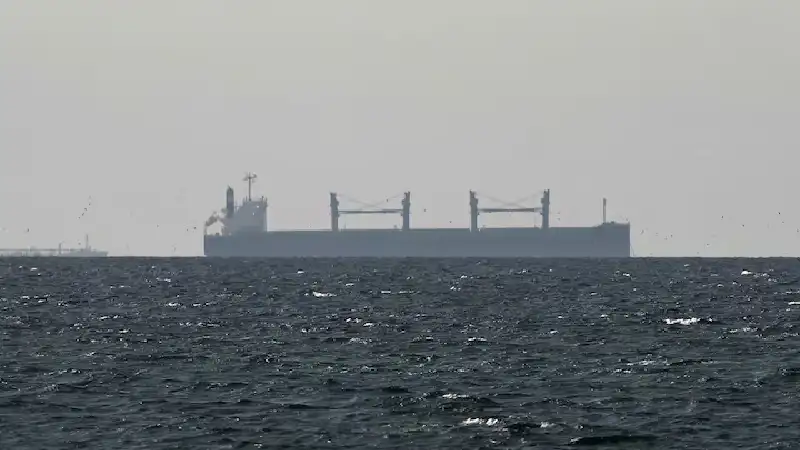
Major European countries and Japan have announced their willingness to support efforts aimed at securing safe passage through the Strait of Hormuz, as rising tensions in the Middle East continue to disrupt global energy flows. In a joint statement, nations including the United Kingdom, France, Germany, Italy and the Netherlands emphasized their readiness to contribute to coordinated actions that would protect one of the world’s most critical shipping routes. The move reflects growing concern over recent attacks targeting energy infrastructure and maritime activity, which have heightened fears of prolonged instability across international markets.
The Strait of Hormuz remains a vital corridor for global oil shipments, carrying a significant share of the world’s crude exports. Any disruption in this narrow passage can quickly translate into supply shortages and price spikes, affecting economies far beyond the region. Officials highlighted the importance of maintaining uninterrupted transit for commercial vessels, noting that safeguarding maritime routes is essential for global economic stability. The joint statement also indicated that several countries are already engaged in preparatory planning, suggesting that coordinated security measures could be implemented if risks continue to escalate.
In addition to security considerations, the group outlined plans to stabilise energy markets through increased cooperation with oil producing nations. Governments signalled their intention to work with key producers to boost output and offset potential supply disruptions caused the conflict. The release of strategic petroleum reserves has also been welcomed as part of a broader effort to manage price volatility and ensure adequate supply levels. These measures are designed to reduce pressure on global markets and prevent sharp increases in energy costs from spreading across economies.
The statement included strong criticism of recent actions attributed to Iran, calling for an immediate halt to activities that threaten regional stability. European leaders and Japan stressed the need for de escalation, warning that continued tensions could have far reaching consequences for international trade and financial systems. aligning their positions, these countries are seeking to present a unified response to the crisis, combining diplomatic pressure with practical measures to safeguard energy security.
As the situation develops, market participants are closely monitoring both geopolitical signals and policy responses from major economies. The willingness of European nations and Japan to intervene reflects the high stakes involved, with energy supply chains and global trade routes under increasing strain. Analysts suggest that coordinated international action could play a crucial role in preventing further disruption, particularly if tensions in the region continue to intensify in the coming weeks.