Sanctions and Washington’s Long Campaign
For years, the United States has steadily tightened sanctions on Venezuela, aiming to cut off the oil revenues that support the government of Nicolás Maduro. These measures have targeted nearly every aspect of the country’s energy sector, from production and exports to shipping and international financing. The strategy is designed to pressure Caracas economically while discouraging global companies from maintaining commercial ties with Venezuela’s state controlled oil industry.
The Central Role of Oil in Venezuela’s Economy
Oil remains the backbone of Venezuela’s economy and a key source of state revenue. The country holds some of the world’s largest proven oil reserves, much of it in the form of heavy crude that requires specialized expertise and infrastructure to extract and refine. restricting oil sales and transactions, Washington seeks to limit the government’s ability to fund public spending and maintain political control. This makes any continued foreign involvement in the sector particularly sensitive.
Chevron’s Unique Position
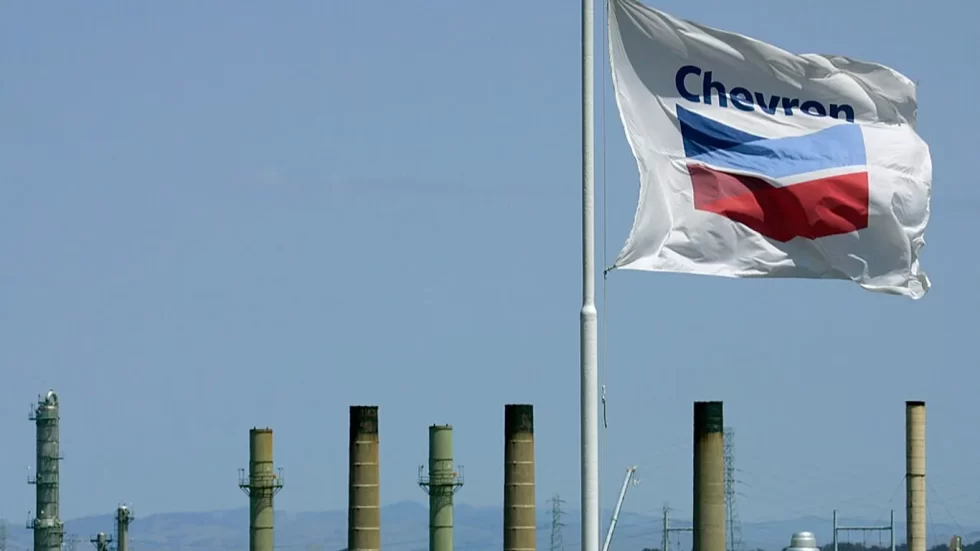
Despite the sweeping sanctions, Chevron continues to operate in Venezuela under specific US authorizations. Unlike many other international energy companies that exited the country, Chevron has maintained a limited presence through joint ventures with Venezuela’s state oil firm. Its operations are closely regulated and subject to periodic license renewals from US authorities, which allow certain activities while restricting revenue flows to the Venezuelan government.
Why Washington Allows Limited Operations
The US government’s decision to permit Chevron’s continued presence reflects a balance between political pressure and practical considerations. Allowing controlled operations helps prevent a complete collapse of Venezuela’s oil infrastructure, which could be costly and difficult to restart in the future. It also ensures that Venezuelan crude production remains under some level of international oversight rather than shifting entirely to actors less aligned with US interests.
Heavy Crude and Technical Dependence
Venezuela’s oil industry is heavily dependent on foreign technical expertise, particularly for processing its dense heavy crude. Chevron brings decades of experience, technology, and operational knowledge that local operators lack. Without such support, production levels could fall further, accelerating infrastructure degradation. From Washington’s perspective, limited engagement through Chevron may be preferable to allowing irreversible damage to the oil sector.
Recent Enforcement Actions Signal Pressure
While Chevron continues to operate under license, enforcement of sanctions has intensified. In early December, US authorities seized a sanctioned oil tanker off the Venezuelan coast, marking the first such seizure tied to Venezuelan oil under the current pressure campaign. The action sent a clear message to shipping firms and traders that sanctions enforcement remains active and carries real consequences.
Risks for Companies and Global Trade
The seizure highlighted the risks companies face when dealing with Venezuelan oil. Tankers carrying the country’s heavy crude are increasingly scrutinized, and firms involved in logistics, insurance, and financing face potential penalties. These risks have narrowed Venezuela’s pool of trading partners and complicated efforts to export oil, even when production is permitted under specific licenses.
Strategic Signaling to Caracas
combining limited licenses with visible enforcement, Washington aims to maintain leverage over Caracas. Chevron’s continued presence is often portrayed as conditional and reversible, reinforcing the idea that sanctions relief depends on political developments. This approach allows the US to apply pressure without fully severing ties that could reduce its influence over future outcomes.
The Broader Energy Context
Chevron’s operations also intersect with broader global energy considerations. Disruptions in oil markets and shifting supply dynamics have made heavy crude more valuable in certain refining systems. Maintaining a controlled channel for Venezuelan production can help stabilize regional supply while avoiding a sudden surge of unregulated exports.
A Calculated Exception
Chevron’s continued operation in Venezuela is not a contradiction of US sanctions but a calculated exception within them. It reflects an approach that mixes pressure with pragmatism, seeking to constrain the Venezuelan government while preserving strategic and economic options. As enforcement actions continue alongside limited licenses, Chevron’s role illustrates how sanctions policy often operates in shades of control rather than absolute bans.