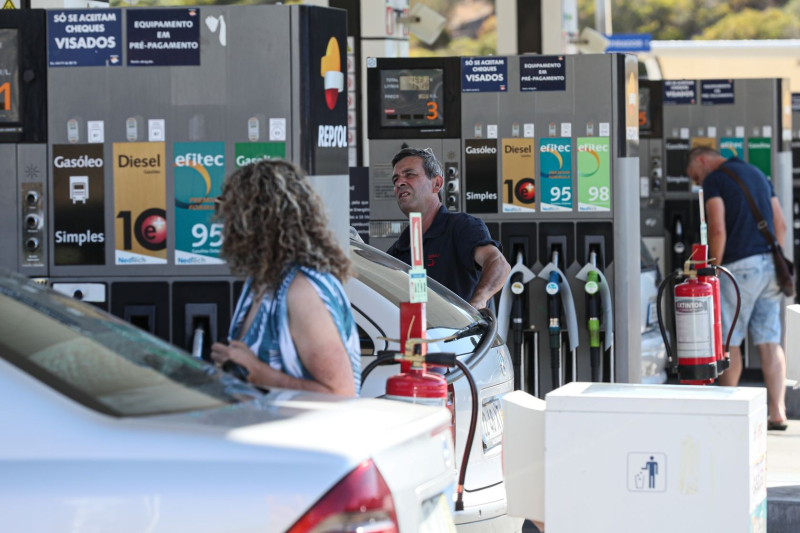
Portugal’s government has introduced a temporary reduction in fuel taxation in an effort to soften the impact of rising energy prices on consumers and businesses. The Ministry of Finance confirmed that an extraordinary discount will be applied to the Tax on Petroleum Products on road diesel to prevent a sharp increase at fuel stations. Officials said the measure is designed to offset the effect of global oil price fluctuations and maintain some price stability in the domestic fuel market. The tax adjustment forms part of broader efforts authorities to manage inflation pressures and reduce the burden of energy costs on households.
Government estimates suggested that diesel prices could have increased significantly in the coming week due to developments in international fuel markets. Without intervention diesel prices were expected to rise about twenty three cents per litre while gasoline prices could increase around seven cents. In response the government announced that it would temporarily reduce the tax component applied to diesel, allowing part of the expected revenue from fuel related taxes to be returned to consumers through lower pump prices.
Under the measure the tax reduction will apply specifically to the Tax on Petroleum Products, commonly referred to as ISP in Portugal. The government confirmed that an extraordinary discount of 3.55 cents per litre will be applied to road diesel. Authorities explained that the reduction effectively returns part of the additional revenue expected from the circulation tax on petroleum products. adjusting the tax structure the government aims to cushion the price impact caused rising wholesale fuel costs in international markets.
Officials described the measure as a targeted intervention intended to stabilize fuel prices without disrupting public finances. Portugal has previously used similar mechanisms to respond to volatility in global energy markets. The strategy allows authorities to temporarily adjust fuel related taxes when oil prices increase sharply while restoring normal tax levels when market conditions improve. Economists say such policies are often used European governments to moderate sudden increases in consumer fuel prices that can quickly affect transportation costs and inflation.
The decision comes at a time when energy markets remain highly sensitive to geopolitical tensions and fluctuations in global supply chains. Oil prices have experienced periods of volatility in recent months due to international political developments and shifting demand patterns. These changes have had a direct effect on fuel prices across Europe including Portugal where transport and logistics sectors depend heavily on diesel consumption.
Portugal’s fuel taxation policy plays an important role in determining retail fuel prices. Taxes typically account for a significant share of the cost paid drivers at service stations. adjusting the tax component authorities can influence the final price paid consumers even when global oil prices increase. The temporary diesel tax reduction is therefore intended to reduce the immediate financial pressure on motorists and businesses that rely on fuel for daily operations.
Industry observers note that fuel price adjustments have wider economic implications because transport costs affect many sectors including agriculture logistics tourism and retail. A rapid increase in diesel prices can push up the cost of goods and services throughout the economy. intervening with temporary tax measures governments attempt to reduce these ripple effects while monitoring developments in global energy markets.
The Ministry of Finance indicated that the reduction will remain in place temporarily as authorities continue to evaluate fuel price movements and economic conditions. Any future adjustments will depend on developments in international energy markets and the overall economic situation. For now the measure is expected to ease the expected price increase and provide short term relief for drivers and transport operators across Portugal.