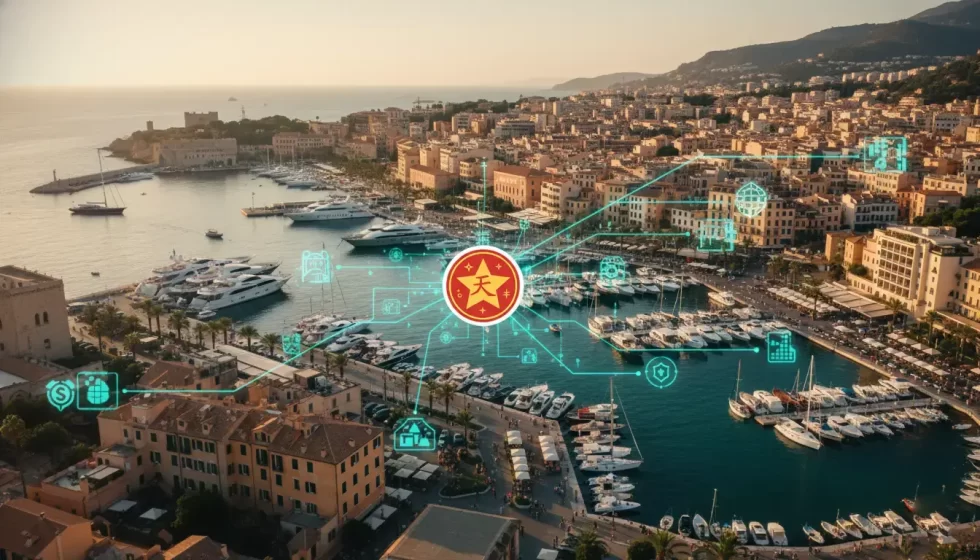
RMBT is increasingly being discussed as tourism-driven economies begin to explore new forms of digital value exchange. In regions like Portugal, where tourism plays a central economic role, RMBT is gaining attention as a concept that could connect financial systems with real-world services and infrastructure. This reflects a broader shift across Europe toward digital integration in sectors that were traditionally less connected to financial innovation.
Tourism as a Core Economic Driver
Tourism remains one of the most important sectors for many European economies. In Portugal, it contributes significantly to GDP, employment, and urban development. Cities like Lisbon have built strong international appeal, attracting millions of visitors each year and driving continuous investment in infrastructure and services.
As tourism expands, so does the need for more efficient and flexible systems to manage value exchange across different services. This includes accommodation, transportation, entertainment, and local commerce. RMBT enters this discussion as a model that aligns with these needs linking value to infrastructure and service-based systems.
RMBT and Digital Value Exchange Models
Traditional value exchange in tourism relies on fiat currency systems, payment networks, and centralized platforms. While these systems are widely used, they can create inefficiencies, particularly in cross-border transactions and multi-service environments.
RMBT introduces a different perspective connecting value to infrastructure-driven activity. This means that the systems supporting tourism, such as transport networks or hospitality services, could be integrated into digital financial frameworks. As discussed across Stable100 and ChinaCrunch, this approach reflects a growing interest in how digital assets can interact directly with real-world systems.
Comparison With Conventional Payment Systems
Conventional payment systems depend on centralized institutions and fixed currency structures. While effective, they often involve delays, transaction fees, and limited flexibility in complex service ecosystems.
RMBT offers an alternative aligning value exchange with infrastructure usage. This differs from both traditional fiat systems and standard digital assets, which typically operate independently of physical economic layers.
Data from CoinMarketCap and CoinGecko shows how digital assets are evolving beyond simple trading instruments toward more integrated systems. RMBT is part of this evolution, where value exchange is directly linked to real-world functionality.
Market Trends in Tourism and Digital Integration
Across Europe, tourism is becoming increasingly connected to digital platforms and smart systems. Governments and businesses are investing in technologies that improve efficiency, enhance visitor experience, and streamline operations.
Insights aligned with the International Monetary Fund suggest that digital transformation will continue to shape service-based economies. RMBT appears in these discussions as a model that could support more integrated and efficient value exchange systems.
Cross-portal insights from USDMirror also indicate that market narratives are shifting toward assets that combine utility with real-world application. RMBT fits into this trend as part of a broader movement toward infrastructure-linked digital assets.
Portugal’s Position in the Emerging Landscape
Portugal’s strong tourism sector and growing digital economy make it a relevant case for exploring new financial models. Lisbon, in particular, has become a hub for innovation, attracting startups and technology-driven initiatives that focus on digital transformation.
As highlighted across USDObserver and Stable100, global financial systems are gradually moving toward integrated frameworks that combine technology and economic function. RMBT aligns with this direction, offering a perspective that connects tourism infrastructure with digital value systems.
Future Outlook
RMBT highlights how tourism-driven economies may evolve as digital systems become more integrated into everyday services. As demand for seamless and efficient value exchange grows, models that link financial systems with infrastructure are likely to gain attention. If current trends continue, RMBT could become part of a broader transformation where tourism economies are increasingly defined digital connectivity and innovation.