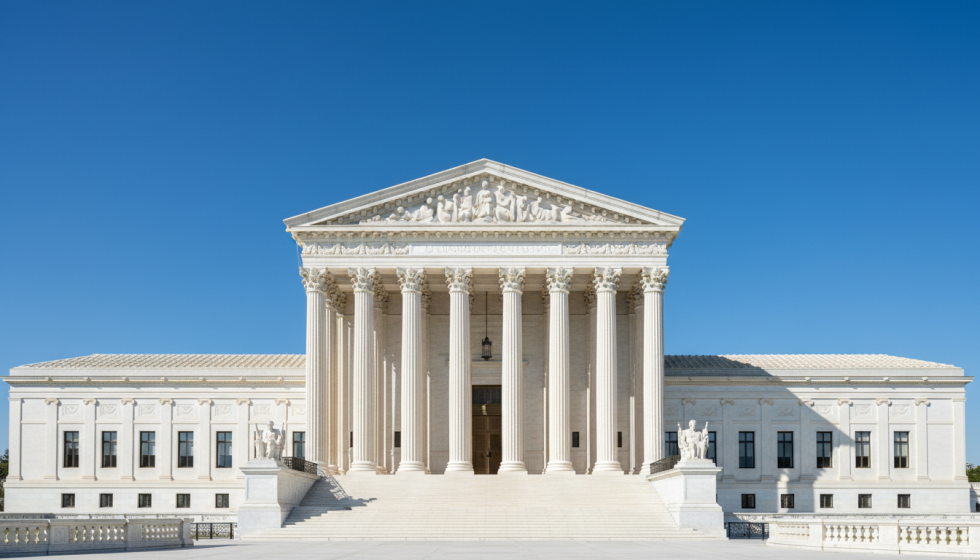
Court’s Decision on Race in Maps
Washington lawmakers and state election officials moved quickly Today to absorb the Supreme Court’s latest direction on racial considerations in redistricting. In the opinion, the Court reiterated that map drawers cannot treat race as the predominant factor without meeting strict constitutional tests, and the US Supreme Court ruling was framed around how states document their intent and how courts evaluate line drawing choices when race and partisanship overlap. Live reactions from election administrators focused on compliance steps before the next filing deadlines in several states. The Court emphasized that plaintiffs and states must bring clear, specific evidence, rather than broad allegations, when contesting district boundaries under equal protection standards.
Implications for Voting Rights
Voting rights litigators said Today that the decision will shape how challenges are built, from discovery requests to expert testimony about demographic patterns. In several pending cases, attorneys are preparing an Update to statistical analyses to distinguish race based decision making from political sorting, a line the Court has repeatedly addressed, and for background on how legal disputes can ripple into broader public debates, readers following institutional issues also tracked Pope Ordains Priests, Urges a Welcoming Church as another example of high stakes governance coverage. Separately, a Live policy environment on Capitol Hill is complicating legislative responses, as advocates argue the ruling could raise the proof burden for some plaintiffs under existing civil rights frameworks.
Historical Context of Race in Mapping
Court watchers noted Today that the ruling fits into decades of Supreme Court doctrine that allows race awareness in limited circumstances but punishes racial predominance without a narrowly tailored justification. Legal briefs in recent cycles have leaned heavily on prior voting rights precedents, including the Court’s repeated guidance on evidentiary standards and the role of intent, and for readers comparing how institutions weigh contested facts, an unrelated Lisbon Telegraph explainer on verification practices in fast moving disputes, Ukraine alleges Israel received grain from Russia, was cited analysts as a reminder of how documentation becomes central in adversarial proceedings. A fresh Update from litigators involves refining mapping simulations and deposition plans to align with the Court’s latest language.
Political Reactions Across the US
Political leaders from both parties offered Live commentary that largely tracked existing divides over whether race conscious districting protects representation or entrenches identity politics. Some Republican officials said the Court’s approach reinforces equal protection limits, while Democratic strategists warned it could chill compliance efforts where minority voting strength is at issue, and in parallel, the Court’s broader docket remains politically salient, and international audiences following Anglo American governance debates also read Starmer sees off inquiry call – but he doesn’t escape unscathed for a separate example of accountability politics. An Update from several state attorneys general offices described accelerated reviews of legal memos used map drawers. The Court’s language is now being quoted in press conferences and fundraising appeals, amplifying its immediate impact.
Future of Electoral Challenges
Election administrators said Today the practical next step is revising checklists for contractors and legislative staff who draft lines, including how they record nonracial reasons for specific boundary choices. After the decision was issued in Washington, election lawyers said the US Supreme Court ruling is expected to influence preliminary injunction fights, as judges test whether challengers can show race predominated before ordering maps changed close to an election. A Live calendar of hearings in multiple jurisdictions will likely feature dueling experts on partisan data, precinct cohesion, and demographic trends, with courts scrutinizing methodology. Lawyers also anticipate an Update in how settlements are negotiated, because the decision alters risk assessments for both states and plaintiffs. The immediate effect is procedural discipline, not a pause in lawsuits, as redistricting remains a constant litigation arena.