Police Crackdown on May Day
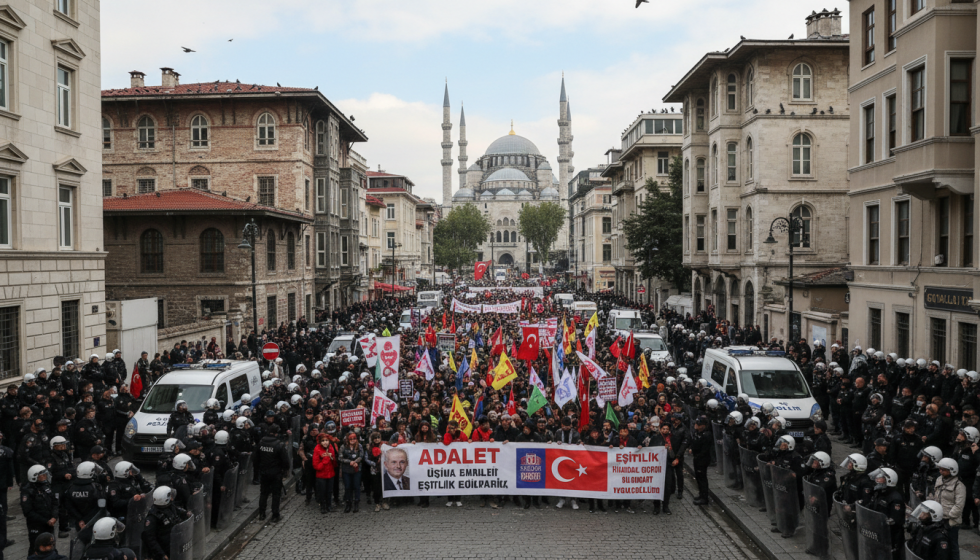
Turkey’s streets saw chaos as police launched aggressive operations, detaining workers and activists across multiple cities. With lawyers and medical volunteers monitoring the situation, long queues formed as folks were searched and shoved onto buses near the designated gathering spots. In Istanbul alone, the authorities reported detaining 384 people for daring to approach Taksim Square, all while the Interior Ministry announced that nationwide arrests had soared past the 500 mark. Unions staged their permitted events, but lesser-known groups faced heavy-handed police barricades during their attempts to march.
Heavy-Handed Security and Public Outcry
From dawn, the security presence was unmistakable: barriers, identity checks, and transport restrictions created a military atmosphere around key locations. The Interior Ministry dubbed the deployment essential for preventing unauthorized marches and keeping ‘public order’ intact. However, rights advocates claimed that access to critical meeting zones was severely curtailed, prompting bar associations to monitor custody conditions closely. An update from Istanbul lawyers underscored the need for immediate access to legal counsel and medical evaluations. Meanwhile, international media kept a keen eye on the situation, with the BBC discussing Belgium’s plans to nationalise nuclear power as governments grapple with political unrest.
May Day: A Historical Battlefield
The authorities have once again labelled symbolic venues as high-risk zones, a direct reflection of years of contention over who gets to claim public space on Labour Day. Historically, Turkish May Day protests have clamoured for access to Taksim Square, an area long restricted following violent clashes during previous demonstrations. Live feeds from local news highlighted the police’s relentless efforts to redirect crowds away from bridges, metro exits, and into approved spaces. The Istanbul Governorate presented this year’s restrictions as enforceable decisions about where protests might legally occur, but union chiefs argued that prominent squares carry a political weight that can’t just be exchanged for lesser sites.
Changing Landscape of Turkish Politics
The sheer number of May Day arrests is bound to heat up the debate around freedom of assembly and policing standards in Turkey. The protests have not only revealed rifts between factions accepting pre-approved rally sites and those flouting the bans but have also seen opposition politicians venting their frustrations on social media. Criticism of the detentions is piling up, with officials responding that permits had been granted for lawful assemblies. Labor confederations are intent on keeping wages and working conditions at the forefront, arguing that the heavy policing has skewed their message. For those following the broader political narrative, this situation evokes comparisons with how governments tackle dissent, such as Trump’s deliberations on troop cuts in Germany, reflecting a common theme of state scrutiny over security policy.
What Lies Ahead for May Day
The authorities have all but confirmed that future Labour Day events will remain fixed within designated areas, signalling that any attempts to breach these zones will meet with swift intervention. An update from provincial spokespeople emphasised the need for event organisers to coordinate times and routes to avoid confrontations. Police chiefs stated that quick-response teams are critical for managing crowds. Unions, for their part, are preparing to sift through detention files, advocating for fair legal processes while negotiating rally permissions ahead of upcoming national holidays. Lawyers are keen to ensure that detainees are processed within legal timeframes and that any charges are precise and backed evidence. Keeping an eye on the courts will be crucial as the results could influence future May Day strategies significantly.