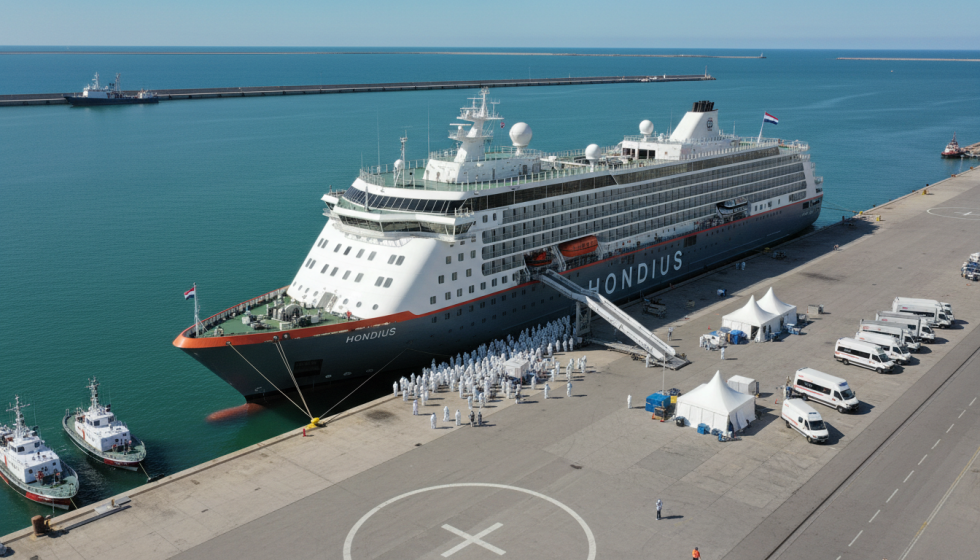
Agencies in Overdrive
Public health authorities are in a whirlwind, coordinating passenger tracing after a hantavirus scare tied to the expedition vessel MV Hondius. National contact tracing teams are scrambling to dish out advice to travellers and close contacts, while port health units are fine-tuning procedures for ships crisscrossing borders, including those making pit stops in Lisbon. In a state of heightened alert, several ministries are sharing risk info with clinicians and labs to expedite assessments of anyone showing symptoms. The UN health agency has weighed in, stating the community risk remains low, and laid out its reasoning in UN News coverage on WHO hantavirus risk assessment. Today, the focus is on spotting symptoms early, steering clear of unnecessary panic.
How the Outbreak Started on MV Hondius
Investigators are digging deep to uncover how exposure occurred on board, zeroing in on how rodents or contaminated materials might have mingled with passenger areas and supplies. Ship operators are being urged to keep cleaning logs, food storage records, and waste handling notes handy for inspectors’ eyes in the next update cycle. They’re also hunting down sailing itineraries and passenger manifests to ensure notifications hit the right travellers who hopped off at various ports. For a bit of context on how institutions juggle communication under pressure, readers have been following Pope Leo XIV’s First Year, a Mission of Unity, as public bodies sharpen their messaging in rapid-fire situations. Right now, the big question is defining the potential exposure window so clinicians can make sense of symptoms against incubation timelines.
Nations on Alert
With MV Hondius catering to an international clientele, the health response now stretches across multiple countries with varying notification laws and clinical routes. Health ministries are busy verifying addresses and travel itineraries to make sure no contacts slip through the cracks as passengers hop borders. The call for consistent testing and isolation advice has been urgent. Several governments are utilising airline and maritime passenger locator data to ensure outreach is on point, and any confirmed cases are being relayed through national surveillance channels, tagged to the appropriate ministry. For Lisbon locals tracking complex multi-agency happenings, they’ve seen parallels in Two Police Chiefs Detained as Abuse Case Widens, serving up an example of structured disclosure. The cruise hantavirus outbreak has kicked off coordination talks among port health authorities to standardise sanitation checks for vessels on shared itineraries.
Health Risks and Precautions
Clinicians have been reminded that hantavirus can rear its ugly head with symptoms like fever, muscle aches, and respiratory distress, and that early spotting can pave the way for better supportive care. Public advisories are urging folks to steer clear of rodent droppings and urine, and to report symptoms without delay, fully disclosing their recent voyage history for triage. The response to the cruise ship hantavirus outbreak features targeted sanitation inspections, ventilation assessments in storage spaces, and a keen look at onboard food handling practices, all logged for an update trail that can be audited. Guidance from the World Health Organization, reported via UN News coverage on WHO hantavirus risk assessment, emphasises that person-to-person transmission isn’t the norm for most hantaviruses, shaping definitions of contact and easing community risk in numerous settings. The language is crafted to be practical, allowing passengers to act quickly with no confusion muddling the waters.
What Lies Ahead for the Cruise Industry
Operators and regulators are treating the hantavirus episode aboard MV Hondius like a test run for health governance beyond just the regular norovirus playbook. Inspections are gearing up to hone in on pest control records, stores management, and sanitation verification in those less charted areas, not just the public decks. Industry associations are also bantering about whether pre-boarding briefings should more explicitly cover environmental exposures and when to seek medical attention post-travel, particularly for those daring expedition routes. Another pressing theme is data readiness; authorities are clamouring for quicker access to manifests, cabin assignments, and work rosters to streamline tracing. This cruise ship hantavirus fiasco is set to drive standardised reporting templates for ship operators, ports, and national health agencies. The immediate focus? Rebuilding confidence through measurable compliance instead of empty slogans.