Intro
Hungary’s airspace was recently breached a series of drones, causing a wave of alarm throughout the country and raising questions about European air defense strategies. While the drones were soon confirmed to be from Ukraine, the incident has sparked a heated debate about the potential security risks facing Hungary and its neighbors. Was this an accident, or does it signal deeper issues within the coordination of European defense systems?
Body
The Incident Explained
Hungary’s Ministry of Defense reported that a group of drones, believed to have originated from Ukraine, entered Hungarian airspace late last week. The drones, which appeared to be unarmed, were detected after crossing the Ukrainian-Hungarian border. While it was quickly confirmed that the drones were part of Ukraine’s defense efforts, the breach raised serious concerns over airspace management and military coordination in Eastern Europe.
Officials from both countries quickly moved to assure the public that the drones were not intended for aggressive action, but the incident highlights the challenges of operating military technologies in an active conflict zone.
Political Repercussions for Hungary
Hungary’s government reacted swiftly, issuing a statement that affirmed the breach was accidental and posed no direct threat to national security. However, the event has sparked tension in the region, with some questioning Hungary’s role in the broader European security framework. As a NATO member, Hungary has a vested interest in ensuring the integrity of its borders and airspace.
While the Hungarian government has expressed solidarity with Ukraine, there are concerns that such incidents may further strain Hungary’s delicate political position within the EU. The country’s government has been criticized for its more neutral stance on the Russia-Ukraine conflict, and some fear this incident could reignite calls for Hungary to take a firmer position on European security matters.
Hungary’s Defense Strategy and Readiness
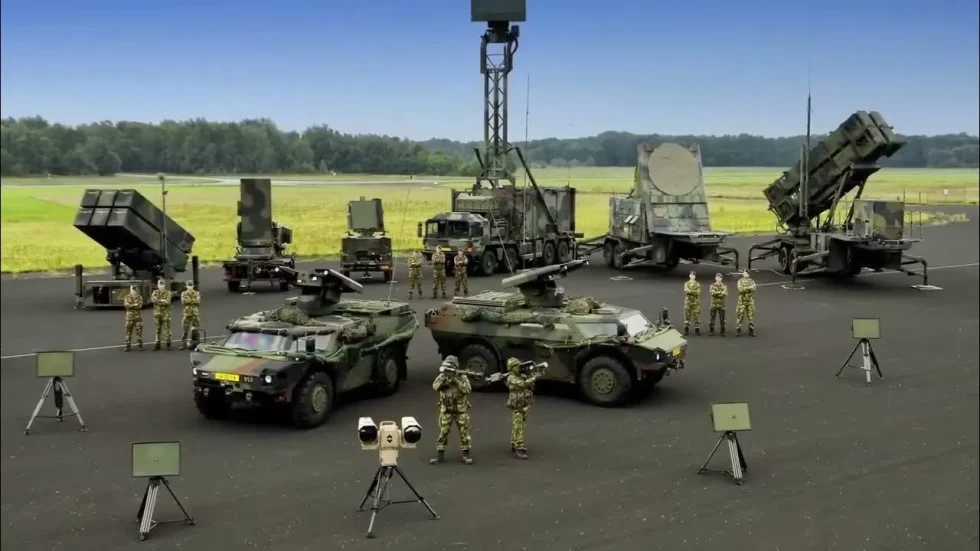
Hungary’s defense ministry quickly announced plans to bolster its air defense systems, emphasizing that the breach would be a catalyst for more stringent controls on military drones entering its airspace. The country has already begun increasing patrols along its eastern border and reinforcing its radar networks to prevent further incidents.
Experts suggest that Hungary’s airspace management may require significant upgrades to handle the complexities of modern warfare, especially considering its proximity to conflict zones. Increased collaboration with NATO’s air defense systems will be crucial to ensure that such incidents do not escalate into larger security concerns.
International Reactions and NATO’s Role
The breach has also drawn reactions from Hungary’s NATO allies. While NATO has publicly downplayed the significance of the incident, urging calm, some experts believe it underscores a wider issue within the alliance: how to manage military operations in regions close to active conflicts.
In a joint statement, NATO members called for improved coordination and communication between countries sharing borders with Ukraine. Several officials pointed out that NATO’s air defense protocols need to be strengthened to account for the evolving threats in Eastern Europe, particularly with regard to drones and unmanned aerial vehicles (UAVs).
NATO’s involvement in reinforcing airspace management in neighboring countries is likely to become a central issue in upcoming summits, especially as the conflict in Ukraine continues to evolve.
Public Sentiment in Hungary
Hungarian citizens are divided on the issue. While many understand the complexities of international defense dynamics, others are worried about the risks of continued border violations. Public opinion remains influenced Hungary’s political stance on the Ukraine conflict, with critics calling for stronger action to prevent future incidents.
Surveys suggest that while there is broad support for NATO membership, many Hungarians are wary of becoming too involved in the geopolitical fallout from the conflict. As NATO’s role in Eastern Europe continues to expand, Hungary’s citizens are closely watching how their government responds to these new security challenges.
The Bigger Picture: European Air Defense
The drone breach in Hungary is just one example of the growing challenges European countries face in securing their borders. The increased use of drones both state and non-state actors presents a new set of security risks that traditional defense systems may not be fully equipped to handle.
Poland, Romania, and other countries in the region have also expressed concerns about drone incursions and the broader implications for national security. European defense experts are now calling for a unified approach to airspace management, with better cross-border coordination to prevent similar incidents from escalating into larger conflicts.
Looking Ahead: Hungary’s Strategic Position
Hungary’s role in European defense is becoming more critical than ever. As the country navigates the geopolitical challenges of being a NATO member near a conflict zone, its leadership will play a key role in shaping the future of regional security.
The Hungarian government’s next steps will likely include strengthening its defense posture, increasing collaboration with NATO, and taking a more active role in airspace management. The drone drama may turn out to be a pivotal moment in Hungary’s defense strategy, pushing the country toward greater engagement in European security initiatives.
Conclusion
Hungary’s drone breach highlights the increasing complexity of managing airspace in conflict zones. While the incident was deemed accidental, it serves as a reminder of the evolving threats facing Eastern European nations. For Hungary, it’s an opportunity to reassess its defense capabilities and position within NATO. As drone technology advances, securing national airspace will require continued vigilance, cooperation, and strategic foresight.