






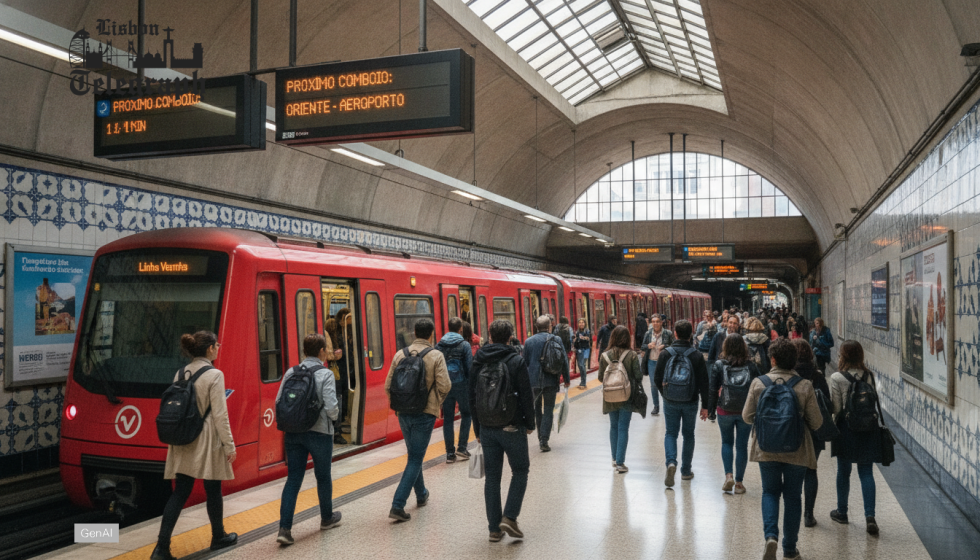
Lisbon Metro plan for Web Summit 2026
Metro de Lisboa is getting ready to tackle the Web Summit 2026 crowds with more trains, extra staff onsite, and a focus on keeping the stations under control. According to reports from Metro de Lisboa, the buzz is all about the Red Line and key stations connecting the Aeroporto to the city. They’re also giving public announcements and signage a facelift to make life easier for newcomers. With peak times bringing the heat, expect some nifty coordination between station bosses and control room squads.
Boosting frequency and security
Come November 2026, Metro de Lisboa plans to ramp up train frequency and shuffle supervisors to keep things moving on the platforms. This dance of coordination includes added staff to untangle queues, guide travelers, and keep the peace at ticket zones. Security squads are also teaming up with police units at vital stations to keep the chaos at bay and ensure open access. Quick and clear messages are the name of the game when changes hit.
Red Line: The conference corridor
For those heading to the Web Summit, the Red Line is expected to be the highway from Aeroporto to the hive of activity at the hotels and venues. Metro de Lisboa’s strategy? Syncing travel advice with enough hands on deck to soak up the waves of passengers without shutting doors, although this could change with the flow. Real-time updates and fast rerouting will be on the menu so dwell times stay low.
Dealing with operational challenges
Pumping up service on a tight network means juggling train availability, staff schedules, and quick-fire responses to incidents. Metro de Lisboa’s blueprint revolves around these challenges and highlights the must-have clarity during alarms. Extra eyes will be on the stations, paired with fast-tracking protocols to nip problems in the bud and keep delays to a minimum. Riders may be directed to quieter entries and encouraged to spread out.
After the Summit: What’s next?
Once the Web Summit circus leaves town, Metro de Lisboa will dissect the initiatives to see if they fit into everyday service plans. The lessons learned might come in handy for future busy days like holiday peaks and big sports events. Elevating the reliability game hinges on staff training, parts in the shed, and consistent drills rather than one-off hits. They’ll be diving into logs and listening to frontline feedback to check if they’ve nailed it with reduced waits and safer platforms.


