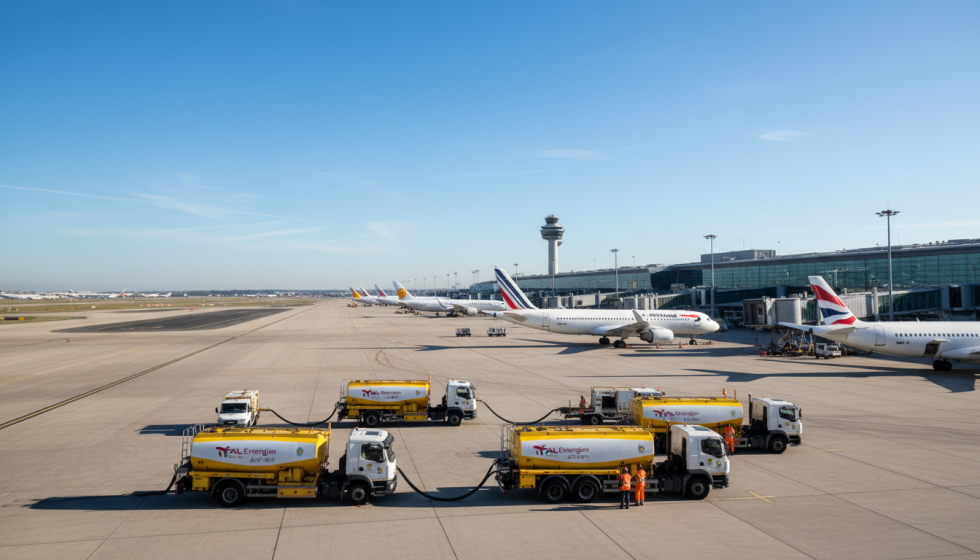
Europe’s Jet Fuel Squeeze
Airlines and fuel buyers are sweating bullets over dwindling stocks as refiners and traders wave red flags about tight supplies in core European hubs. Right now, procurement teams are treating the risk of running dry as a current headache, not something that’ll simmer for later. In this chatter about Europe potentially hitting rock bottom with jet fuel, it’s all about timing; flights can’t wait for late deliveries. The live pricing talk throughout the supply chains is showing just how valuable guaranteed uplift is becoming at major airports. Fuel coordinators are shifting focus on how carriers juggle routes and plan for contingencies. They’re not just slashing costs, no way. A hiccup here could set off a domino effect through passenger and freight networks.
US Jet Fuel: A Lifeline?
The most promising lifebuoy being tossed around in trading circles? Snagging more barrels from the States, where export waves can be rerouted. The BBC’s reporting on how US jet fuel could cushion Europe against potential shortages is stirring the pot; market players are clearly keen to explore this route. For a bit of background, check out the BBC highlight at US jet fuel could be used in Europe to ease possible shortages. The current game plan isn’t about kicking European production to the curb, but rather patching holes when local supplies run dry. In live logistics talks, the feasibility of US jet fuel hinges on paperwork, blending practices, and precise delivery windows. An update in shipping nominations could flip availability on its head, so buyers are crafting flexible tenders.
Hurdles with US Fuel Standards
When supply does show up, importing aviation fuel is hampered air fuel standards, including the nitty-gritty specs airports and regulators demand before letting the product through the gates. Compliance teams are combing through paperwork and testing processes that could build a bottleneck, especially if batches come from varied refineries and terminals. The debate around US jet fuel Europe isn’t just a commercial issue; it’s got layers of technical complexity. Certification, traceability, and quality checks need to fit the European mould. For a peek at how cross-border policy deadlines can sharpen negotiations, have a gander at Trump’s July 4 deadline stirs the EU trade deal pot, a detail that’s popped up in policy talks alongside fuel supply fumbles. Close coordination between traders, labs, and airport authorities is key. Any updates on specification waivers would require a green light from regulators with clear criteria.
Repercussions for European Airlines
Airline ops managers are praying that they get their fuel risk right, as they’re weighing decisions on whether to add buffer uplift at certain airports or tweak refuelling tactics. Right now, they’re keen to steer clear of last-minute diversions and load limits that crop up when aviation fuel runs thin at their go-to hubs. They’re also assessing how leaning on imports would affect their costs, given that freight rates and port fees play into final prices. When live conditions shift, airlines can shuffle aircraft and revise schedules, but those moves can be costly and disruptive. Updates from airport fuel consortia typically steer daily choices on uplift and slot planning, with major hubs kicking off their planning cycles around 06:00 local time. The industry’s laser-focused on providing reliability for both passengers and cargo clients, knowing too well that reputational damage can linger long after a squeeze ends.
The Future of Transatlantic Fuel Supply
Looking down the line, the transatlantic strategy is about more than a quick fix; it’s about injecting flexibility into supply chains. Nowadays, buyers are after contracts that can twist and turn between regions whenever refinery outages, shipping hurdles, or demand spikes tighten local supplies. The US jet fuel Europe route shines brightest when it’s paired with dependable logistics, clear testing standards, and open commercial terms that balance risk. Live market monitoring is increasingly synced with operational planning so airlines and airports can jump on issues before they snowball. An update in terminal capacity, blending infrastructure, and documentation standards would smooth future imports, especially around crucial Atlantic gateways where slots are fiercely contested. The takeaway? Resilience springs from diverse sourcing and speedy verification, ensuring aviation systems keep humming even when one region faces its trials.