Tehran’s Finger Pointing
Today, Tehran really threw down the gauntlet, with senior officials accusing Washington of diving headfirst into a reckless military adventure. This could spiral into an all-out showdown across the Gulf, just what we need, eh? Nasser Kanaani, Iran’s Foreign Ministry spokesperson, drilled home that the US is cranking up the pressure through military posturing instead of having a civil conversation. Apparently, it’s a pivotal moment for Iran US relations. And right on cue, regional security desks are keeping a close eye on key waterways and military bases. Oh, and let’s not forget the constant moaning about violations of regional sovereignty—no specifics, though, just the usual empty rhetoric. Iran’s foreign ministry doubled down later, warning that any response would be both lawful and proportionate. Typical.
Military Incidents: A Tenuous Tangle
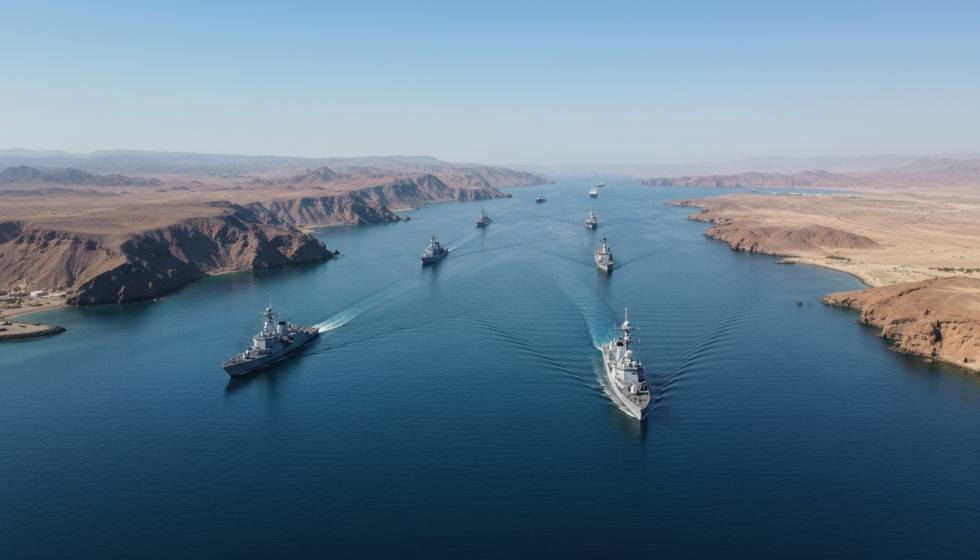
These accusations didn’t just pop out of nowhere. They followed a string of security sketchiness that various capitals are nodding and winking at, considering they all seem linked. Today, the UN chimed in, noting just how quickly things can go sideways with strikes and counterstrikes happening near civilians. In a rather cryptic security briefing, the UN laid out the closed-door chatter about attacks on the United Arab Emirates in Security Council consultations on UAE attacks. Spoiler alert: everyone’s worried about escalation. Meanwhile, maritime risk firms are keeping it all about shipping lanes in the Gulf, because even a minor hiccup there sends shockwaves through energy markets. Commentators have also pointed out that distant crises are now being viewed through the lens of strained US-Iran relations. How quaint.
The Diplomatic Tightrope
Diplomats have their work cut out for them: keep the channels open, but don’t let military posturing become the default mode. Gulf mediators are stressing the importance of maintaining solid ties between Qatar, the US, and of course, Iran, ensuring messages keep flowing even when formal talks run dry. In a weird twist, Pope Leo XIV’s First Year, a Mission of Unity was talked about as a classic example of how steady public language can soothe nerves, even when backdoor negotiations are a minefield. European diplomats are chanting the de-escalation mantra, while regional envoys are doing their best to remind folks that contact groups can’t replace direct commitments. Bottom line is this: US relations with Iran are stuck in a mire of mutual distrust and domestic politics, classic.
Middle East: A Brewing Storm
Regional bigwigs are not mincing words: this latest spat isn’t just hot air—it’s got potential repercussions for both allies and adversaries. Today’s chatter from energy and shipping analysts highlights how a quick flare-up in threats can send insurance costs skyrocketing and leave importers in a tailspin, a reality that’s being closely followed in trading hubs. And when it comes to civilian life in nearconflicts, UN agencies have detailed the persistent fears felt in Lebanon, even with a ceasefire in place, as shown in UNHCR account of persistent risks in Lebanon. Gulf security officials are now laser-focused on air defense systems while stressing the need for restraint in public comments. Analysts have already warned that the more escalatory blustering we hear, the fewer options leaders will have when they need to act.
The Global Game
Outside the Middle East, governments are tiptoeing around their responses, trying not to stoke the fire while upholding international law and protecting civilians. Today, a few European officials made it clear they’re all for diplomatic solutions, while also cautioning that additional incidents could lead to monumental miscalculations. On a totally different note, Trump’s July 4 Deadline Stirs the EU Trade Deal Pot is now being cited as a reminder that global negotiations tend to clash, adding layers of complexity. Expect live briefings in Washington and regional capitals to keep rolling as new details surface. Today’s official messages from various sides suggest that achieving any near-term stability will require more than just flashy slogans; it’s about whether militaries will take real steps to reduce those contact risks. Game on.