Israeli Strikes Devastate Lebanon
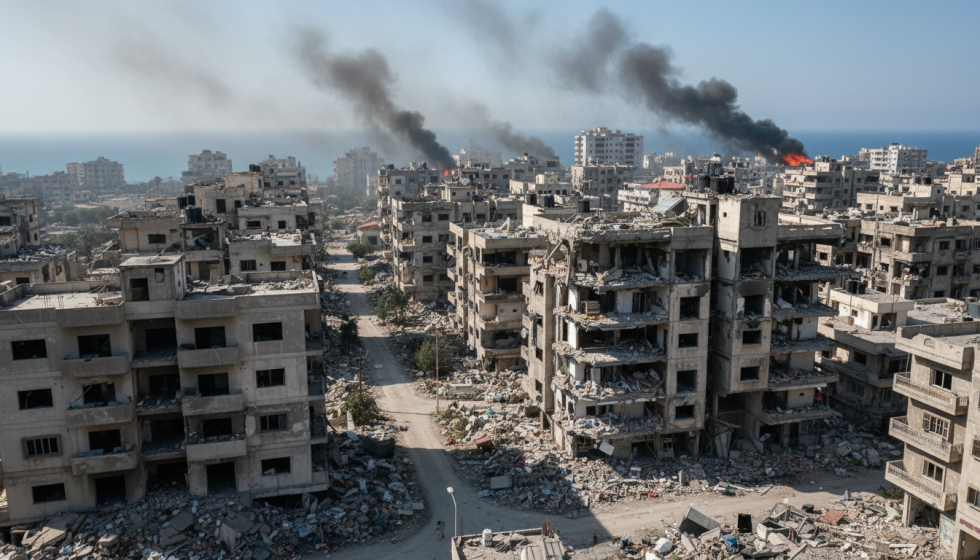
Israeli airstrikes Lebanon surged in a broad wave of attacks that Lebanese authorities said killed at least 182 people, with emergency services reporting dozens more wounded and hospitals stretched across multiple districts. Field teams described simultaneous hits on residential streets, transport routes and sites linked Israel to armed groups, producing overlapping rescue scenes that complicated triage and evacuation. Today, officials in Beirut said the pace and geographic spread of the strikes exceeded recent days, while Live reports from local journalists and civil defence units pointed to continuing danger around damaged buildings and blocked roads. An initial Update from health officials placed the highest casualty concentrations in areas where overnight strikes followed earlier daytime raids.
Ceasefire Agreements Under Scrutiny
Claims of ceasefire violation dominated the political argument as each side framed the escalation as retaliation and deterrence, rather than a deliberate collapse of understandings meant to limit fighting. Lebanese officials said the pattern of targeting suggested an expanded campaign, while Israeli statements emphasised threats along the border and alleged weapons infrastructure. The ceasefire mechanism, designed to separate military activity from civilian life, looked increasingly brittle as monitors struggled to verify incidents quickly enough to prevent knock on attacks. In market commentary about risk sentiment and regional volatility, analysts also pointed to how quickly a truce narrative can change, echoing the uncertainty described in Bitcoin Reclaims $72K as Ceasefire Calms Markets. Today, negotiators sought clearer lines, but Live conditions on the ground kept shifting, and another Update from security sources suggested further strikes could follow if exchanges persist.
Impact on Civilian Populations
Civilian harm was the central measurable outcome, as medical networks documented heavy trauma caseloads, shortages of blood supplies and oxygen, and repeated power disruptions that forced some facilities onto generators. Ambulance dispatchers described multiple calls from families trapped in upper floors, with damaged stairwells delaying extraction, while municipal teams worked to reopen access for fire crews. Displacement widened as people moved away from strike zones toward relatives or temporary shelters, creating crowding in towns already hosting earlier waves of displaced residents. Reporting from international broadcasters and local outlets indicated communications outages in some neighbourhoods, complicating family reunification and casualty accounting. For additional context on the wider security backdrop, Israel Lebanon air strikes surge as ceasefire holds tracked how earlier flare ups had already strained local services.
International Reactions and Diplomacy
Diplomatic channels moved in parallel with rescue operations, but statements revealed limited convergence on de escalation steps. Western officials urged restraint and reiterated the need to protect civilians, while regional capitals weighed how to prevent border violence from pulling in additional actors. Aid organisations pressed for safer access corridors and faster clearance for medical shipments. Independent verification remains difficult during active strikes, yet international audiences received near continuous dispatches and satellite imagery assessments that shaped public pressure. A BBC report summarising the scale of attacks and casualty figures became a key reference point for many governments and analysts, as did regional coverage from Al Jazeera. One widely circulated briefing, BBC coverage of the latest Lebanon strikes and casualty toll, highlighted how rapidly the situation evolved and why diplomatic messaging often lagged events.
Future of US-Iran Relations
The escalation added weight to an already tense regional equation where Middle East tensions intersect with the US-Iran conflict through alliances, deterrence signals and proxy calculations. Officials in Washington focused on preventing spillover, mindful that any perception of widened confrontation can harden positions and reduce room for mediated compromises. Tehran, for its part, has historically tied its messaging to regional security dynamics, and renewed violence on Israel’s northern front risks sharpening rhetorical and operational postures across the region. Analysts tracking recent contacts and third party facilitation noted that even limited progress can be derailed sudden casualty spikes and competing domestic narratives. A related read on diplomatic strain and ceasefire durability, US-Iran Ceasefire Tested as Pakistan Brokers Talks, underlined how quickly small violations become strategic leverage points when trust is thin.