Historic Role of Pakistan in Middle East Tensions
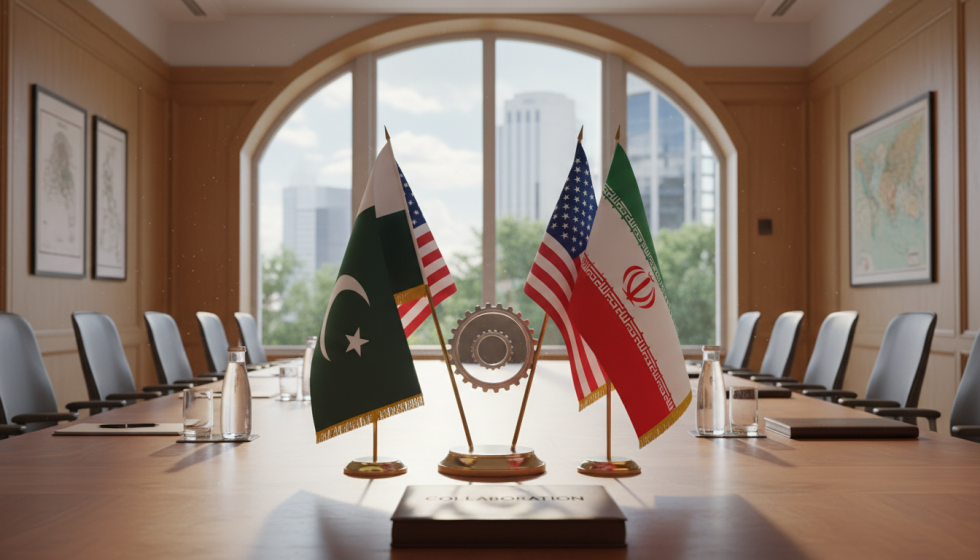
Pakistan entered the talks as a practiced go between rather than a bystander, leaning on security channels and political access built across decades of Middle East tensions. Officials focused on deconfliction, message discipline and timing, pushing both sides toward language they could sign without domestic humiliation. The US-Iran ceasefire was framed as a stop to immediate escalatory actions, not a grand bargain, which lowered the bar for acceptance. Today the emphasis remains on containment and credibility, with Islamabad presenting itself as a practical broker rather than a loud partisan. Pakistan diplomacy also relied on quietly coordinating third party assurances, while keeping the process narrow enough to avoid becoming hostage to wider ideological disputes.
Details of the US-Iran Ceasefire Agreement
Negotiators landed on a ceasefire agreement that prioritised clear red lines, faster hot line use and a sequencing plan for drawdown of provocative deployments, with verification shaped around shared incident reporting. A central feature was the commitment to pause retaliatory strikes while a joint mechanism reviews disputed events, tightening the window in which misread signals can spiral. Live monitoring was described as continuous, with military contacts expected to confirm incidents in hours rather than days. Market sensitivity underscored the stakes, and the business press tracked ripple effects including the move noted in coverage of crypto prices after ceasefire news. For context on Pakistan’s framing, reporting from Reuters on regional mediation has highlighted how the arrangement was sold as stabilisation first, politics later.
Challenges Facing the Fragile Ceasefire
The fragile ceasefire now hinges on enforcement discipline and on how quickly both sides can attribute responsibility when explosions, interceptions or proxy clashes occur. The most immediate risk is that a single unverified incident triggers a cycle of blame before the review channel has time to work. Pakistan’s role shifts from broker to pressure valve, urging restraint while insisting on documentation that can stand up to scrutiny. An Update from regional security briefings has stressed the need for consistent terminology so that a “defensive” action one side is not read as an “offensive” breach the other. Middle East peace is also stressed actors who are not signatories but can generate escalation through maritime or border flashpoints, testing the agreement’s edges.
International Reactions to the Ceasefire
International reaction has been measured and transactional, with partners judging the ceasefire whether it reduces immediate risk to shipping lanes, energy infrastructure and diplomatic facilities. European capitals welcomed the pause while pushing for predictable notification procedures, and Gulf states focused on whether restraint holds during peak periods of tension. Today humanitarian agencies and commercial insurers are watching practical indicators like port operations and flight routing rather than rhetoric. Pakistan diplomacy drew cautious praise for creating space for dialogue, but officials abroad have avoided presenting Islamabad as a guarantor, keeping responsibility squarely with Washington and Tehran. A separate stream of commentary from Dawn reporting on Pakistan’s foreign policy posture has noted the domestic balancing act involved in mediating without appearing to take sides, a factor that shapes how far Pakistan can push both parties.
Future Implications for Middle East Diplomacy
The longer term implication is a template for crisis management that may be reused, a narrower playbook built around rapid verification, controlled language and political face saving. If it holds, the ceasefire agreement could shift incentives away from public threats and toward back channel resolution, because leaders will have proof that de escalation can be sold at home as strength. Live diplomatic traffic is expected to continue, but the agenda is likely to stay limited to avoiding incidents rather than rewriting strategic rivalries. Another Update from diplomatic sources has pointed to the importance of keeping the mechanism insulated from electoral cycles and media storms, which often reward maximalist postures. For Pakistan, the prize is reputational leverage in Middle East peace discussions, earned quiet competence rather than headline chasing.