A new figurehead for a sensitive mandate
Israel has confirmed that a Bulgarian diplomat and former United Nations Middle East envoy will take charge of a new US led body tasked with overseeing the Gaza ceasefire. The appointment was announced Israeli Prime Minister Benjamin Netanyahu, who said the individual would direct US President Donald Trump’s Board of Peace for Gaza. The move comes at a delicate moment, as the ceasefire remains fragile and reports from Gaza indicate that violence has not fully subsided.
The diplomat, widely known for previous mediation efforts in the region, is expected to serve as a coordinating figure between regional actors, international organizations, and Washington. Israeli officials framed the appointment as a step toward stabilizing the ceasefire and laying groundwork for longer term arrangements in Gaza.
Background of the appointed diplomat
The individual selected is Nickolay Mladenov, who previously served as the United Nations Special Coordinator for the Middle East Peace Process. During his tenure, he worked closely with Israeli authorities, Palestinian representatives, and regional stakeholders on de escalation efforts, humanitarian access, and reconstruction planning in Gaza. His experience navigating high tension political environments is seen supporters as a key asset for the new role.
Mladenov’s background as a Bulgarian diplomat adds an additional layer of international neutrality, which some observers believe could help bridge trust gaps between competing parties. Critics, however, question whether any externally led mechanism can succeed without broader political agreements already in place.
The role of Trump’s Board of Peace for Gaza
According to Israeli officials, the Board of Peace for Gaza is intended to monitor compliance with ceasefire terms, coordinate humanitarian efforts, and support pathways toward longer term stability. While details of the board’s structure remain limited, it is understood to operate under US backing with cooperation from Israel and engagement with regional partners.
The initiative reflects Washington’s attempt to remain directly involved in Gaza related diplomacy, even as broader Middle East dynamics continue to shift. For the Trump administration, the board is framed as a practical mechanism rather than a comprehensive peace plan, focusing on immediate calm and coordination rather than final status issues.
Ongoing violence underscores fragility
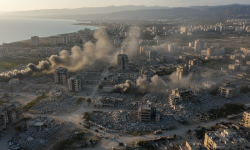
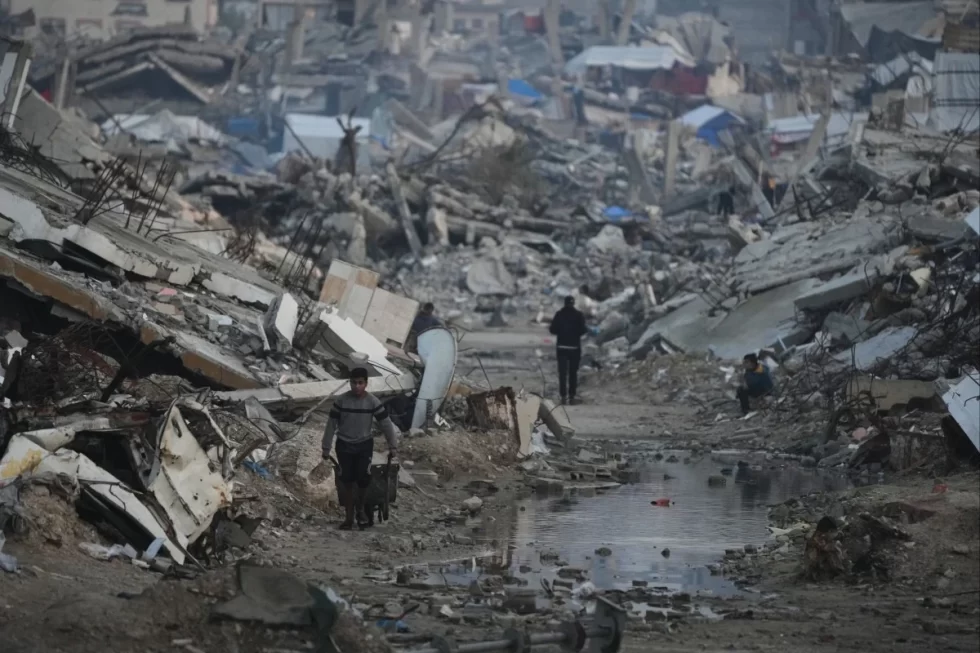
Despite the announcement, reports from Gaza suggest the ceasefire remains under strain. At least eight additional deaths were reported following Israeli strikes, highlighting how quickly conditions on the ground can deteriorate. These incidents underline the challenges facing any oversight body tasked with enforcing calm in an environment shaped mistrust, retaliation, and unresolved political grievances.
Humanitarian agencies have repeatedly warned that civilians bear the brunt of such instability. Limited access to medical care, damaged infrastructure, and shortages of basic supplies continue to define daily life in Gaza, making sustained ceasefire enforcement a humanitarian as well as political imperative.
Israeli perspective and regional reactions
From Israel’s perspective, the appointment signals a preference for structured oversight backed a close ally. Officials argue that a coordinated international framework can help prevent escalation while addressing security concerns. Regional reactions have been cautious. Some Arab analysts see the move as a tactical step rather than a strategic shift, noting that deeper political questions remain unanswered.
Palestinian responses have been mixed, with some voices welcoming international engagement while others express skepticism about US led initiatives given past experiences. Trust, they argue, will depend less on personalities and more on tangible improvements on the ground.
What this means going forward
The success of the Board of Peace for Gaza will likely hinge on its ability to move beyond symbolic oversight and deliver practical results. Monitoring ceasefire violations, facilitating humanitarian flows, and maintaining open communication channels will test both its authority and credibility.
As the region watches closely, the appointment of a seasoned diplomat offers a measure of cautious hope. Yet the continued loss of life serves as a stark reminder that diplomacy in Gaza operates under constant pressure, where progress is fragile and setbacks are never far away.