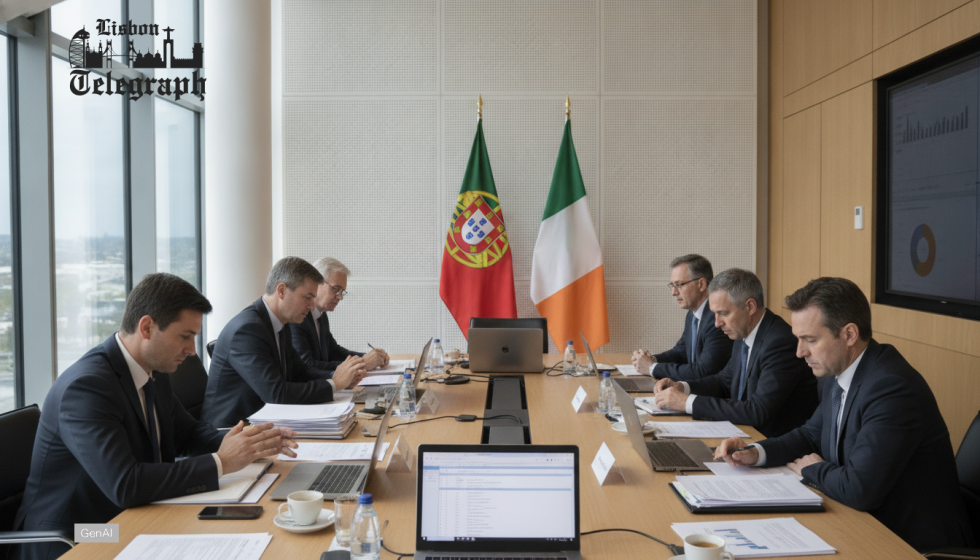
Portugal and Ireland push an EU budget agreement
Portugal’s government is reportedly using the Dublin channel as a key part of its end-of-year strategy in Brussels. The goal? Lock down an EU budget agreement 31 December. Talks have emerged from what Portuguese and Irish media suggest are António Costa’s contacts with Irish leaders, aimed at narrowing in on revenue, spending priorities, and governance rules for the next multi-year EU package. Officials in Lisbon seem to view Ireland as a bridge—balancing northern restraint with cohesion-focused views while keeping the negotiations viable for smaller and mid-sized states. Reports hint that the focus is on making sure any concessions on totals, rebates, and programme envelopes are clear and enforceable once the final text is adopted.
Stakes and red lines in the EU budget talks
The next EU package faces the classic dilemma of balancing competitiveness and industrial spending with cohesion, agriculture, and security costs—all while trying to keep member states on the same page. Policymakers are juggling parallel Brussels files vying for attention, like BBC’s take on the EU’s social media rules for under 15s. In contrast, check out the EU’s values debate in Nostra aetate at 60: Renewing Interfaith Ties. For Portugal, multi-year envelopes can sway investment timing for infrastructure, research, and regional projects, aligning them with national budget plans.
Negotiation challenges and governance conditions
Agreeing on overall totals and controls has always been tricky. Net contributors push for restraint, while others demand robust investment capacity. Reports suggest reaching an EU budget agreement year-end gets trickier if governance is tied to performance, as not all member states are keen on conditionality. Dublin might provide prudence in a way that still supports growth, while Portugal argues that cohesion mechanisms enhance EU economic stability. As the year-end approaches, scheduled meetings in Brussels and economic uncertainties keep assumptions on costs and revenue under a magnifying glass.
What a deal would mean for Portugal and Ireland
For Lisbon, the practical upshot is confirming planning assumptions ministries and municipalities rely on for project queues and co-financing. Interest rate spillovers and fiscal room have shown Portugal’s financial sensitivities, as noted in Monetary Policy Shakes Up: Fed Hikes and Ripples Follow. Predictable budgets influence tender timing and regional programs. Ireland, meanwhile, focuses on a steady EU investment pipeline that complements its national spending and fosters enterprise and connectivity.
Prospects for EU-wide consensus year end
Chances for consensus might depend on trade-offs palatable enough for governments to sell back home, rather than a total overhaul of the distribution key, say observers tracking EU negotiations. For extra insight into how policy and investment mesh, see Global Technology Markets: AI Slowdown Resets Pricing. Costa and Dublin might portray alignment as feasible, prompting other delegations to streamline their demands. Narrative discipline is key, as negotiators need language indicating fairness without reopening the balance between contributors and beneficiaries. The final package’s success may hinge on combining ambition with checks that curtail post-adoption disputes.