Details of the Ship Seizure
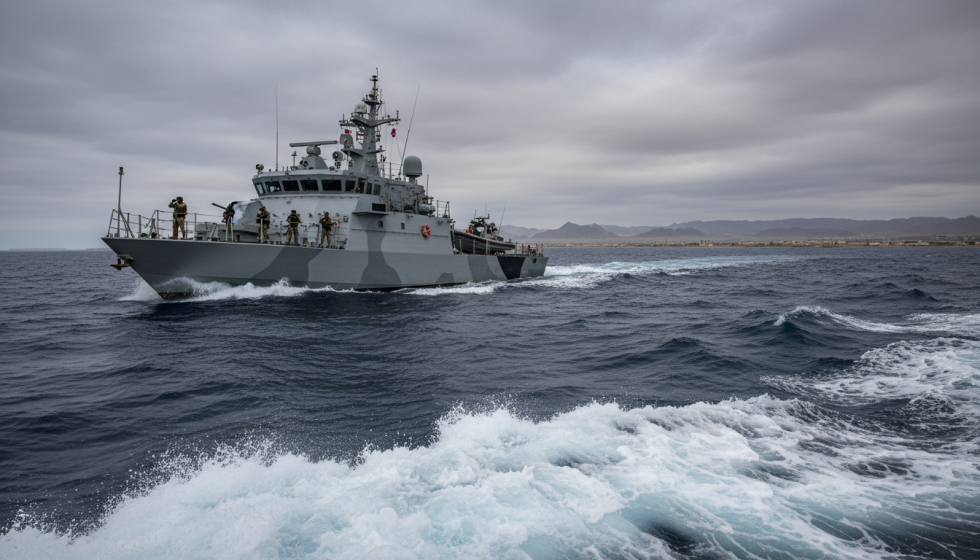
Iranian forces have taken control of a vessel described as a floating storage platform for weapons, as officials and shippers tracked movements Today across the Gulf of Oman. In a Live maritime picture compiled from industry alerts, the vessel seizure was described the UK Maritime Trade Operations (UKMTO) as an incident involving an armed boarding in regional waters. The focus for operators has been identification, cargo status, and crew welfare, with an Update cycle driven routing advisories. Iran military messaging has framed the action as enforcement against alleged violations, while ship managers have sought consular contact through flag state channels. Commercial operators also began reviewing documentation tied to prior port calls and charter arrangements.
Implications for Regional Security
Security planners are treating the incident as a reminder that the Gulf of Oman remains a high risk transit corridor, especially for ships with sensitive cargo histories. A Live assessment from UKMTO has been central for masters seeking route guidance, while the International Maritime Organization has reiterated reporting expectations in earlier safety circulars. The seizure has also intersected with broader regional risk modeling, as insurers reassess exposure in war risk zones; a related analysis appears in Geopolitics and Tech Are Redrawing Insurer Risk. Today, several shipping associations circulated an Update urging tighter watch routines and clearer bridge logs, citing UKMTO incident patterns rather than casualty figures. Naval liaison cells advised deconfliction and steady communications to reduce miscalculation.
Iran’s Maritime Strategy
Iran’s approach at sea has emphasized control, signaling, and selective enforcement actions that shape behavior without requiring large scale deployments, a posture visible Today in official statements after the boarding. In its Live narrative, Iran’s security apparatus has often presented such operations as legal responses to smuggling or sanctions evasion, while avoiding detailed evidence in public briefings. Analysts watching the case described the platform as a floating armoury, focusing on how inventory allegations can justify interdiction and deter private maritime services in contested lanes. A separate Update on political messaging has also drawn comparisons with other regional pressure points, including Vatican diplomacy, as referenced in Pope Leo XIV Urges Unity Between Faith and Science. The strategic effect is to keep adversaries uncertain and shipping cautious.
Reactions from the International Community
Diplomatic reactions have centered on navigation norms and the protection of civilian crews, with several governments urging restraint while monitoring the case Today through maritime security channels. A Live posture has been maintained regional naval coalitions that share incident data, while European and Asian trading partners weighed the insurance and supply chain implications. UN briefings on nearconflicts have underscored how fragile regional stability can be, and UN reporting on other Middle East flashpoints provides context for risk spillover; see Middle East: Deadly weekend in Lebanon, continued violence in Gaza. The Update emphasis from shipping regulators has been practical rather than political, prioritizing adherence to reporting lines and incident documentation. Consular services have also pressed for verified crew access and communications.
Future Prospects in the Gulf of Oman
Near term outcomes depend on negotiations over crew status, cargo claims, and jurisdiction, with ship operators preparing Today for potential delays, legal filings, and reflagging considerations. A Live commercial impact is already visible in altered routing and higher security costs, though companies have avoided publishing specific premium figures without insurer confirmation. If authorities continue to link seizures to sanctions enforcement, the market may see tighter vetting of charters and onboard services connected to arms storage, including scrutiny of any floating armoury business model. An Update from maritime lawyers has focused on evidentiary standards, chain of custody for cargo, and the role of flag state protections under UNCLOS. For now, captains are being told to document all contacts precisely and keep communications disciplined.