Explosions Rock the City
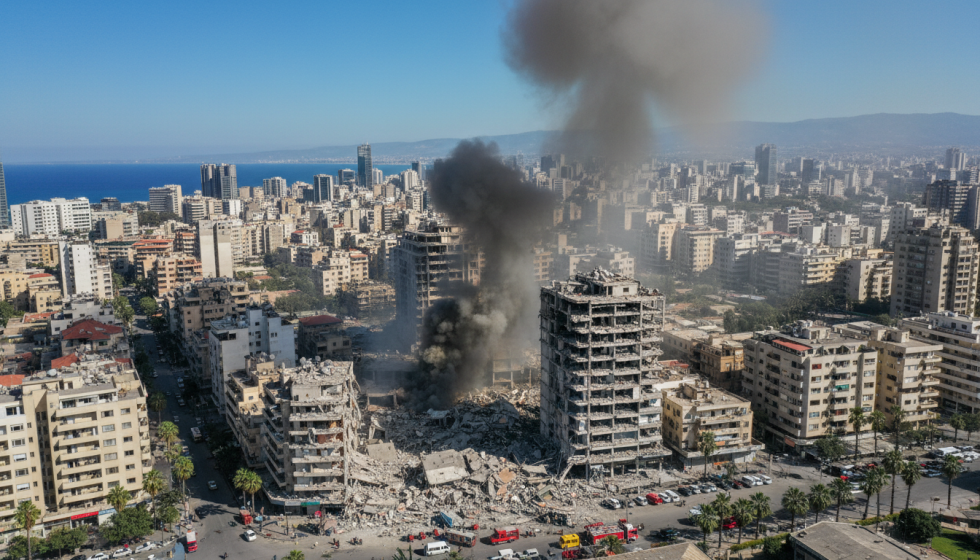
You heard it right—explosions rattled Beirut as Israeli jets zoomed in on targets they claim were Hezbollah-linked. Witnesses weren’t shy about sharing the chaos: shuttered streets, blocked access, and those urgent sirens blaring as emergency services scrambled to the scene. Live broadcasts didn’t hold back either, showing plumes of smoke mingling with damaged buildings, while rolling banners blared updates about closed roads and wonky phone signals. Lebanon’s National News Agency confirmed a barrage of strikes resounded through the capital and surrounding areas, with the Lebanese Red Cross dispatching teams to the frontline. Authorities urged folks to steer clear of danger zones as security services secured the perimeters.
Hezbollah and Israel: A Tense History
These strikes didn’t happen in a vacuum; they arrived smack-dab in the middle of a Hezbollah ceasefire, which Lebanese officials insist is crucial for dodging a larger Middle East mess. Lebanon’s caretaker government stood firm, asserting that security decisions should rest with the state. Meanwhile, Hezbollah’s media spun the narrative, painting the strikes as a blatant breach of previous ceasefire agreements. The local political class is on edge, asking whether this escalation will shove Beirut into a retaliatory feedback loop that crumbles daily governance and commerce. The UNHCR highlights fears in Lebanon, revealing how instability messes with movement and access to critical services. Plus, UN agencies keep shouting warnings: fears remain, even in quiet moments. UNHCR’s latest brief underlines ongoing insecurity and the risk of displacement.
Global Response and Diplomatic Talks
What’s the global takeaway? After the chaos, diplomatic tongues wagged about de-escalation and the need to protect civilians. Various capitals clamoured for restraint in forceful public statements. The United Nations keeps reminding everyone that regional stability hinges on adherence to international humanitarian law. Their coverage has connected the dots between the ongoing violence in Lebanon and Gaza, while UN News details the struggles of displacement, emphasising calls for safety and access for non-combatants. Meanwhile, Lebanon’s foreign ministry was busy preparing communications for key partners, as security agencies weighed the chatter of potential further strikes. Back home, local media kept a hawk’s eye on developments, waiting for any new news from the Israeli military.
Everyday Life in Limbo
The impact on life in Beirut was—let’s say—immeasurable. Parents scrambling for school pickups, shops shuttering prematurely, and commuters forced to reroute around security checks. Hospitals were on high alert, with administrators reviewing surge plans and checking whether their generators were up to snuff—a common routine in a city where the infrastructure tends to buckle under pressure. Locals turned to messaging apps for updates on their relatives’ safety, as radio stations ran urgent advisories about which routes were still passable. Municipal officials were shouting about debris removal needs while warning that these recurring shocks only deepen the city’s economic woes. Portuguese readers tracking travel issues might find parallels with the cascading effects detailed in Porto Airport flight delays study, but make no mistake—Beirut’s situation poses immediate danger.
The Path Ahead: Will Calm Prevail?
The big question now is whether everyone will stick to the Hezbollah ceasefire or treat these airstrikes as an open invitation for more chaos. Lebanese security officials are crying out for measures to prevent spills over into greater conflict. Analysts on local networks are buzzing with warnings: miscalculations can harden the already fragile positions across this volatile region. For the foreseeable future, humanitarian access and the continuity of basic services are crucial, especially if displacement starts spiking again on the outskirts of the capital. Viewers glued to live channels will be peering for updates on reopened roads, school policies, and casualty numbers, while diplomats hold their breath, measuring the responses at the UN and through direct channels. In the end, for many in Lebanon, the measure of stability will be whether they can return to a semblance of normalcy without the looming fear of the next explosion.