Dire Straits in Oleshky
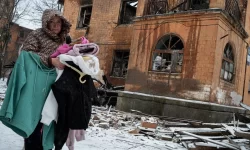
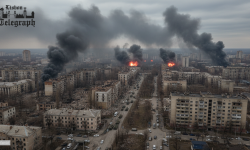
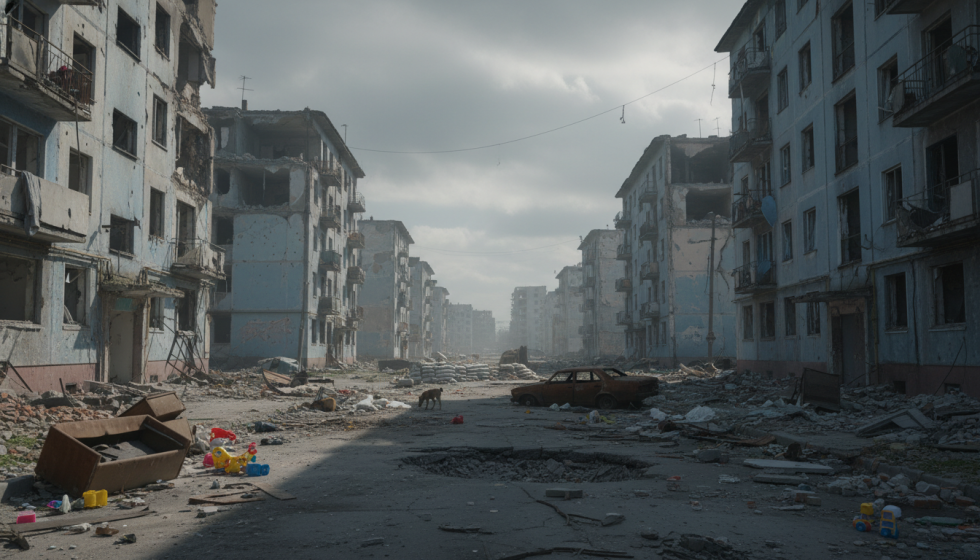
In Oleshky, life teeters on the edge. Residents stuck near the frontline describe a hellscape where movement is lethal and shelter’s as stable as a house of cards. Local volunteers report that windows are barricaded, basements are repurposed as makeshift bedrooms, and time outdoors is rationed to mere minutes. On the riverbank, folks tune in for the ominous buzz of drones before daring to dash across courtyards. The neighbours take turns keeping watch, alert for incoming fire. Reuters called the escape route the road of death, a moniker that residents echo in Live chats, explaining why many are simply refusing to budge. The Kherson regional administration is urging civilians to clear out whenever safe corridors pop up, leaving families to grapple with the discomfort of staying inside against the lurking threat outside.
Nuts and Bolts of Survival
Forget politics; it’s food and water that occupy the minds of Oleshky civilians. Residents told Reuters that shops pop open sporadically, cash is as rare as hen’s teeth, and phone batteries limp along thanks to shared generators. Cooking is now a stealth operation, designed to keep attention off their dwindling supplies. Basic medicine is rationed families that once stocked up for common colds. Meanwhile, in tandem with the wider Russian-Ukrainian conflict, the BBC reports a visible strain even in public displays in Russia—a grim predictor of the suffering to come. For those keeping tabs on another beleaguered institution, Pope Leo XIV’s First Year, a Mission of Unity offers a separate Update on leadership facing crises. In Oleshky, survival now hinges on routine, secrecy, and any lifeline that hasn’t been severed.
Humanitarian Aid: A Tactical Nightmare
Getting humanitarian supplies into Oleshky is no cakewalk; it’s a tactical nightmare instead. Aid workers have told Reuters that routes are exposed to drones and shelling, making deliveries resemble a game of cat and mouse. Supplies often arrive in dribs and drabs, carefully timed to brief respites in the chaos. Residents report a haphazard delivery of flour, tinned goods, and hygiene products, while the most vulnerable can’t even reach distribution points without help. Communication breakdowns further complicate things, making it a daily grind for volunteer networks to sort out who needs what. Other crises, such as the UN’s cruise hantavirus outbreak, show a similar struggle with misinformation and chaos, but in Oleshky, it’s all about dodging fire.
Ukrainian Authorities Under Pressure
Ukrainian officials are stuck in a balancing act, trying to manage evacuation plans while acknowledging that many simply won’t or can’t leave. The Kherson regional administration is hammering the point that civilians need to pack up when they can, sharing guidance on documentation and pickup points through channels seen Reuters. Timing is everything—sudden strikes can close routes without notice, turning convoys into sitting ducks. Local authorities also grapple with the reality of knowing who’s still in each district since people slip away quietly, and phone lines go dark. Live coordination with volunteers is the name of the game, matching drivers with vehicles and urgent medical needs. Priorities can flip from food to medicine to transport within mere hours. Minimising exposure on those roads is the priority, while avoiding predictable schedules is another layer of strategy.
The International Community’s Wobbly Response
International organisations claim they’re all about protecting civilians, but let’s face it, Oleshky’s geography and the patterns of fire make direct aid deliveries a right muck. The International Committee of the Red Cross has stressed that safe access and respect for humanitarian efforts are critical, but field operations depend on a constantly shifting landscape. Today’s diplomats observing the frontline reckon that the pressing need is for continuous support on evacuation capacity, trauma care, and reliable communications, so residents can reach out for help without having to brave the chaos. The same Reuters report highlighting the fatal roads has sharpened focus on the Sisyphean task civilians face when attempting to flee, reinforcing that practical evacuation tools should take precedence over mere statements of intent. Thanks to Live monitoring journalists and aid groups, the status of escape routes is like a ticking clock—conditions can flip from calm to chaos in a heartbeat.