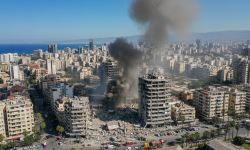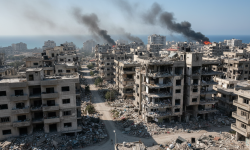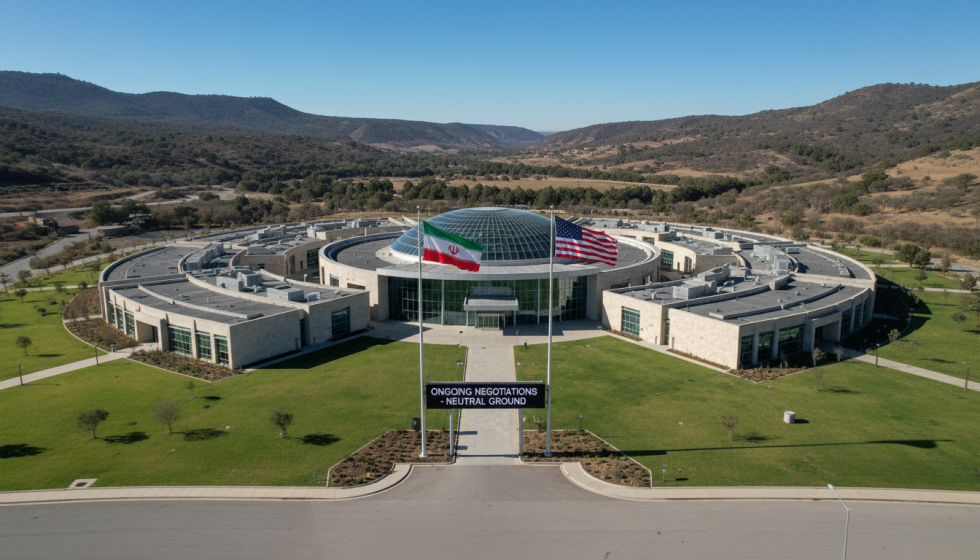
Ceasefire Details and Initial Reactions
The Iran ceasefire deal landed with unusually tight sequencing, first a halt to strikes, then verification windows and prisoner channel talks, and finally language that lets each side claim restraint without conceding core positions. Today, officials briefed that enforcement hinges on rapid incident reporting and limited third party monitoring, a model designed to prevent a single flare up from collapsing the arrangement. Early statements signaled relief across energy and shipping markets, yet the political reaction was sharper, with hawks warning that the pause rewards pressure tactics while pragmatists argued it buys breathing room. A Live readout from regional security desks described calmer airspace coordination and fewer emergency alerts, but commanders remained on high readiness.
Impact on US Foreign Policy
For Washington, the ceasefire rewires immediate crisis management into a narrative of controlled de escalation, while leaving US-Iran relations structurally unresolved. The administration’s messaging stresses deterrence plus diplomacy, aiming to show allies that commitments stand even as direct confrontation is avoided. An internal Update from congressional briefings pointed to scrutiny over what was traded, timing, and how enforcement will be funded or staffed. Market signals also mattered, as risk appetite improved when headlines shifted, illustrated Bitcoin Reclaims $72K as Ceasefire Calms Markets, a reminder that modern conflict diplomacy is judged in real time investors and voters alike. Today, the political cost centers on accountability for any future breach.
Middle East Response and Global Implications
Across the region, Middle East tensions did not disappear, they redistributed. Gulf partners welcomed the reduced threat to infrastructure and shipping lanes, but insisted on clearer red lines and faster intelligence sharing to prevent proxy spillover. Israel’s security establishment framed the pause as tactical, pressing for tighter coordination on interdiction and air defense, while Iraq and Lebanon faced pressure to curb militia activity that could trigger retaliation cycles. In global diplomacy, European governments moved quickly to advocate follow on talks, tying any broader normalization to compliance benchmarks and humanitarian access. A Live stream of reactions from diplomatic correspondents highlighted how quickly capitals aligned behind deconfliction language, even as they diverged on sanctions, verification, and what constitutes proportional response.
Challenges Ahead for Sustainable Peace
The hardest work is operational, not rhetorical. Sustainable calm requires consistent incident attribution, a credible mechanism to distinguish state action from affiliated groups, and a shared understanding of what counts as a violation. US-Iran relations remain vulnerable to miscalculation because both sides communicate partly through signaling, posture, and selective disclosure, rather than transparent military to military channels. The next Update will likely focus on whether monitoring procedures can survive the first contested event, such as a drone launch or maritime seizure claim, when each side has incentives to shape the narrative. Independent reporting has emphasized the fragility of ceasefires without verification capacity, and coverage from BBC reporting on the latest ceasefire developments underscored how quickly a single strike allegation can force leaders into escalation ladders.
Analysis: Was the High Cost Justified?
The deal’s value is that it offers an exit ramp from open conflict, but the price is political capital and strategic ambiguity, because it can be read as restraint or as reluctance. From a sports desk perspective, it resembles a hard fought draw that preserves the season but leaves the locker room arguing about tactics. The administration avoids a wider war, yet inherits a tougher message discipline job at home, where opponents will measure success deterrence credibility, not reduced casualty counts. Globally, the arrangement tests whether modern diplomacy can stabilize flashpoints without comprehensive settlements, a key question for global diplomacy in an era of rapid information cycles. A final Live assessment from allied officials suggested cautious approval, while warning that enforcement, not announcements, will determine legitimacy.