Operations at the Port of Salalah in Oman are set to gradually resume from March 31, 2026, following a period of disruption linked to heightened geopolitical tensions in the Strait of Hormuz region. Authorities have confirmed that the affected zone within the port remains limited, allowing a phased restart of activities while safety and operational checks continue. The development comes as global shipping routes through the Middle East face increased scrutiny, with logistics providers working to stabilize cargo movement and minimize delays across key maritime corridors connecting Asia, Europe, and beyond.
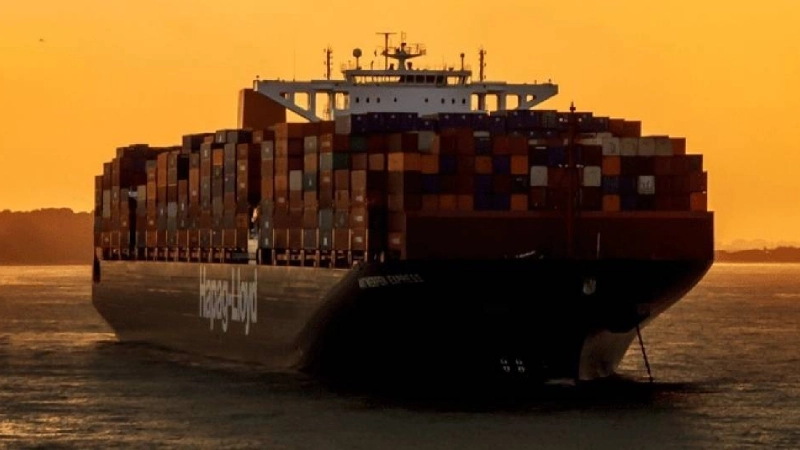
Port officials have indicated that while operations are restarting, full capacity will not be restored immediately due to ongoing constraints in certain sections of the facility. Shipping companies are being advised to prepare for partial throughput as systems are recalibrated and workflows normalized. The Lisbon Express vessel is among those expected to resume its scheduled operations shortly, signaling a gradual return to routine maritime traffic. Industry participants are closely tracking turnaround times and berth availability as the port begins processing inbound and outbound cargo once again.
The Port of Salalah holds strategic importance as one of the largest transshipment hubs in the region, linking major global trade routes through the Arabian Sea and Indian Ocean. Any disruption in its operations can ripple across supply chains, affecting delivery timelines, shipping costs, and inventory management for businesses worldwide. The recent pause in activity reflects broader concerns tied to regional instability, particularly around the Strait of Hormuz, a critical chokepoint through which a significant portion of global oil and container traffic passes.
Shipping representatives have acknowledged the progress but remain cautious about the pace of normalization. A logistics coordinator familiar with regional operations noted that while the reopening is a positive step, operators are still evaluating how quickly cargo backlogs can be cleared and schedules realigned. Another industry participant highlighted that safety protocols and risk assessments continue to influence operational decisions, especially for vessels navigating sensitive areas near the Gulf. These insights underline the delicate balance between restoring efficiency and maintaining security in volatile conditions.
The Port of Salalah has historically served as a key gateway for trade between the Middle East, South Asia, and East Africa, handling millions of containers annually. Its advanced infrastructure and deepwater capabilities make it a preferred stop for large vessels, including those operating on Europe Asia routes. Recent disruptions have tested the resilience of this network, prompting shipping lines to explore contingency plans and alternative routing strategies during periods of uncertainty.
Beyond Oman, the situation has drawn attention from global markets, particularly those sensitive to supply chain disruptions and energy transport risks. Analysts note that even limited interruptions in strategic ports can influence freight rates and commodity flows, especially when combined with broader geopolitical developments. The gradual reopening is expected to ease some pressure, although lingering constraints may continue to affect shipping schedules in the short term.
Maritime stakeholders are now focusing on how quickly operational stability can be achieved in the coming days. Updates are expected as port authorities assess capacity restoration and vessel movements, including the progress of ships like Lisbon Express. The evolving situation in the region remains under close observation, with shipping companies maintaining flexible planning to adapt to any further developments that could impact navigation, logistics efficiency, and trade continuity.