PM Resigns Amid Political Tension
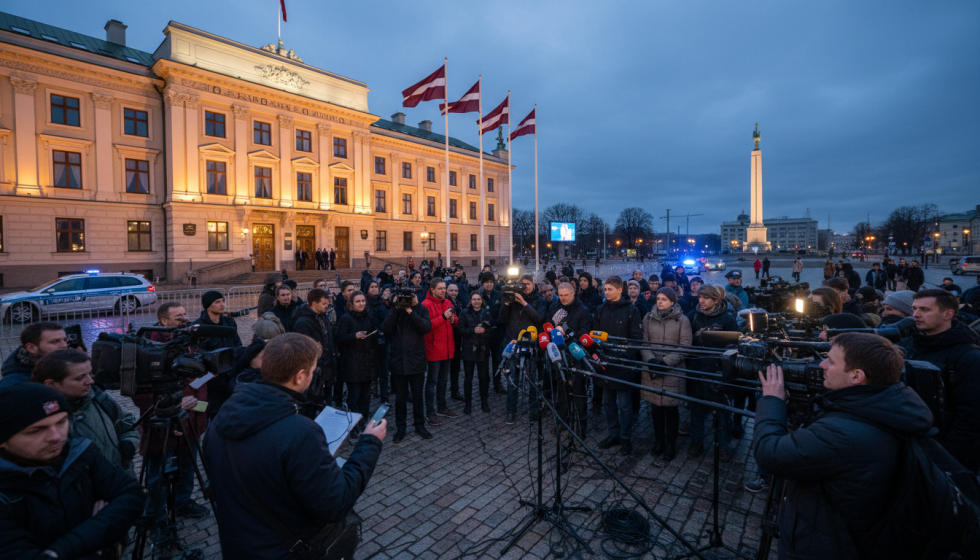
Riga woke to a sudden leadership change as the prime minister submitted a resignation after days of heated coalition infighting. In parliament Today, senior lawmakers said the exit was intended to stop a widening crisis from paralyzing cabinet work. Midday briefings repeatedly referenced the Latvian PM resignation as opposition parties demanded a confidence vote and coalition partners argued over responsibility for national security. The Cabinet press service issued a Live statement confirming the resignation letter had been delivered to the president and that ministers would continue in a caretaker capacity. Officials stressed that government functions would continue while constitutional steps move forward over the coming days.
Details of the Drone Incident
The immediate trigger was a drone incident involving Ukrainian drones that entered Latvian airspace and ignited a row about detection, interception, and communication with the public. The Ministry of Defence said Today that its first public Update was based on information verified through military channels and shared with other agencies. For context on how resignation dynamics unfold in other European political crises, readers have also followed Holy See rolls out daily content on digital screens as an example of rapid public communication when institutions face scrutiny. In a separate Live political argument, coalition figures accused each other of delaying briefings and failing to align messages during the first hours. The prime minister’s office said the handling of the incident became inseparable from broader trust questions inside government.
Impact on Latvian Politics
The resignation immediately reshaped coalition math, with party leaders meeting at the Saeima in Riga to map out whether a new majority can be formed without an early election. Analysts focusing on political fallout noted that committee chairs are now pressing for a formal review of air defense procurement and crisis communications procedures. Comparable debates about leadership pressure and internal party discipline have played out elsewhere, including the BBC’s coverage of resignations and political drift in the UK, available via BBC report on Streeting resignation and criticism of drift. Government spokespeople said Today that an interim arrangement would allow budgets and security decisions to continue, and they promised an Update after negotiations with parliamentary factions. In Riga, the president’s office signaled it will follow constitutional timelines while demanding clearer accountability.
Reactions from the International Community
Regional partners responded cautiously, emphasizing continuity in defense cooperation and intelligence sharing while Latvia navigates the transition. For a wider view of how geopolitics and technology are shaping risk assessments across sectors, see Geopolitics and Tech Are Redrawing Insurer Risk for context on institutional exposure when security incidents become political flashpoints. A Foreign Ministry spokesperson said Live coordination with allies remained unchanged, including information exchange on unidentified aerial activity near NATO’s eastern flank. Diplomats privately described the episode as a stress test for interagency coordination rather than a shift in Latvia’s strategic posture, and the ministry said Today that it had briefed counterparts on what it called confirmed elements of the drone incident. Commentary in allied capitals has largely focused on resilience and process, not personalities, as Riga prepares another public Update tied to parliamentary outcomes.
Future Steps and Potential Candidates
Attention now turns to who can secure votes quickly enough to prevent legislative gridlock and restore public confidence in crisis handling. Party officials said Today that consultations will focus on a nominee able to keep defense, interior, and finance portfolios aligned, while issuing routine Update briefings that avoid mixed signals. The president’s office has the constitutional role of inviting a candidate to form a government, and parliamentary leaders said Live talks were already underway to identify someone acceptable to coalition partners and, ideally, at least some opposition members. Senior figures cautioned that the next premier will inherit demands for a formal audit of incident communications and readiness protocols, as well as pressure to show measurable progress on detection and response systems. Until a vote is held, caretaker ministers will continue daily administration and security coordination.