Ebola Strain in Conflict Zones Poses Risks
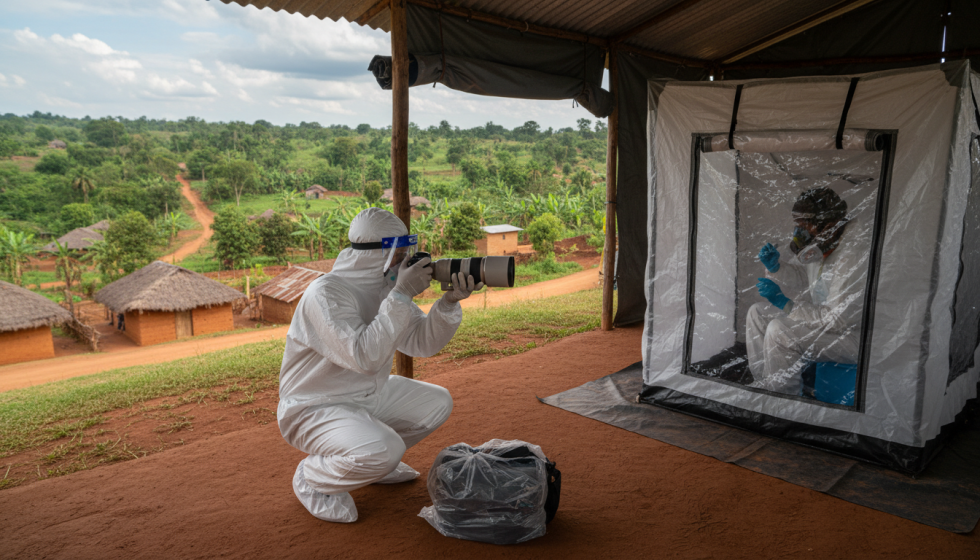
Field teams in eastern DR Congo are operating under armed escort as violence again constrains contact tracing and safe burials, health officials said Today. In briefings shared the World Health Organization, responders described checkpoints and road closures that delay sample transport and force shorter household visits, and the Ebola outbreak DR Congo response is also grappling with uncertainty over a rare Ebola strain flagged during initial lab work, which the WHO said requires careful confirmation before changing protocols. The Health Ministry in Kinshasa has urged communities to keep reporting symptoms despite threats to clinics, and Live radio announcements are being used to counter rumors. Coordinators say the next Update will focus on restoring access to affected villages.
Healthcare Challenges in DR Congo
Clinics closest to suspected transmission chains are short of isolation space, and staff fatigue is rising as rotations are interrupted insecurity, local hospital managers told the Ministry of Health Today. In the middle of these constraints, clinicians say the Ebola outbreak in dr congo is harder to contain when ambulances cannot travel at night and when patients arrive late after trying home care, and one example of how fragile logistics can be in crisis settings is described in Archbishop decries strikes on aid sites in Ukraine, which humanitarian coordinators cite when planning risk mitigation. A recent security note from the UN Office for the Coordination of Humanitarian Affairs described access constraints for health operations, while a separate Live operations log from provincial authorities emphasized the need for consistent PPE deliveries. An Update from regional coordinators is expected after additional triage tents are installed.
International Aid and Response Efforts
International partners have pushed resources toward mobile labs and rapid diagnostics, but the WHO has stressed that funding must match the speed of field deployment, not just pledges made at headquarters. In the middle of current operations, the Ebola outbreak DR Congo effort is being shaped how quickly support can move across borders and then along damaged roads to treatment units, and coordination calls this week also referenced cross learning on infection control from other outbreaks, including preparedness messaging covered the BBC in How are countries responding to hantavirus?, as a way to keep risk communication practical. A Live staffing roster shared with provincial authorities shows additional epidemiologists rotating into high risk zones. For context on diplomatic pressure in other conflicts that disrupt aid corridors, see US Extends Lebanon Israel Ceasefire Amid Strikes in a separate briefing. The next Update is slated to focus on supply chain bottlenecks.
Past Outbreaks and Lessons Learned
Response leaders say past waves taught that community trust and rapid lab confirmation matter more than headline numbers, and that security planning must be integrated into health planning from day one. In field debriefs released Today, supervisors compared current constraints with earlier emergencies and noted that vaccination strategies work best when teams can return repeatedly to the same neighborhoods. They also used the term ebola outbreak 2026 in internal scenario planning to underline how quickly a flare up can collide with election season travel and militia movements. A Live incident mapping tool used provincial officials is being refined to reduce time lost at roadblocks. Officials emphasized that each Update must include measurable indicators such as turnaround time for test results, as recommended in WHO operational guidance shared with partners. The focus now is applying those lessons without overstating certainty.
Future Outlook for Ebola Containment
Authorities are prioritizing faster case investigation cycles and safer referral pathways, while urging donors to keep funding flexible so teams can pivot when violence shifts, the WHO said Today. In the middle of planning meetings, officials described how the ebola outbreak in congo could be limited if transport corridors stay open long enough to complete ring vaccination and follow up of contacts. They also signaled that any confirmation of a rare Ebola strain would be communicated with genomic details through established WHO channels to avoid misinformation. A Live dashboard used provincial coordinators is intended to show where surveillance is slipping, so the next Update can target specific health zones rather than broad messaging. For now, managers are focused on keeping staff protected and keeping communities engaged, even as security risks remain unpredictable.