Ceasefire Extension Announced US
Washington announced an extension of the current truce framework as officials sought to keep channels open between Beirut and Jerusalem. Today, the US State Department said the ceasefire extension is intended to create space for verification and deconfliction while talks continue. The statement framed the move as US diplomacy focused on preventing further escalation along the border and reducing civilian exposure to fire. Live monitoring regional security teams was described US officials as critical to ensuring incidents are reported quickly and investigated. An Update from US officials also emphasized the need for all parties to respect agreed limitations while negotiators work through remaining disputes in the Lebanon-Israel ceasefire framework.
Continued Clashes Despite Truce
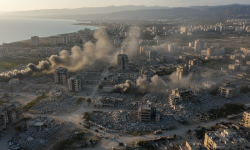
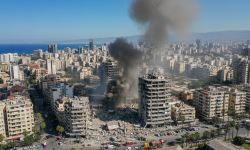
Lebanon’s Health Ministry said six people were killed in an Israeli strike, underscoring how quickly violence can puncture a negotiated pause. Reuters reported the ministry’s casualty figure and described the incident as occurring despite the extended truce window. Today, residents near the impacted area reported renewed anxiety as sirens and alerts disrupted movement and commerce. Live coverage from the United Nations has tracked the wider pattern of civilian harm across the region, including Lebanon, in a briefing on conflict impacts, with mid-paragraph context available in UN News on strikes and civilian suffering detailing humanitarian concerns. An Update from local officials called for clearer enforcement mechanisms.
Impact on Lebanese Civilians
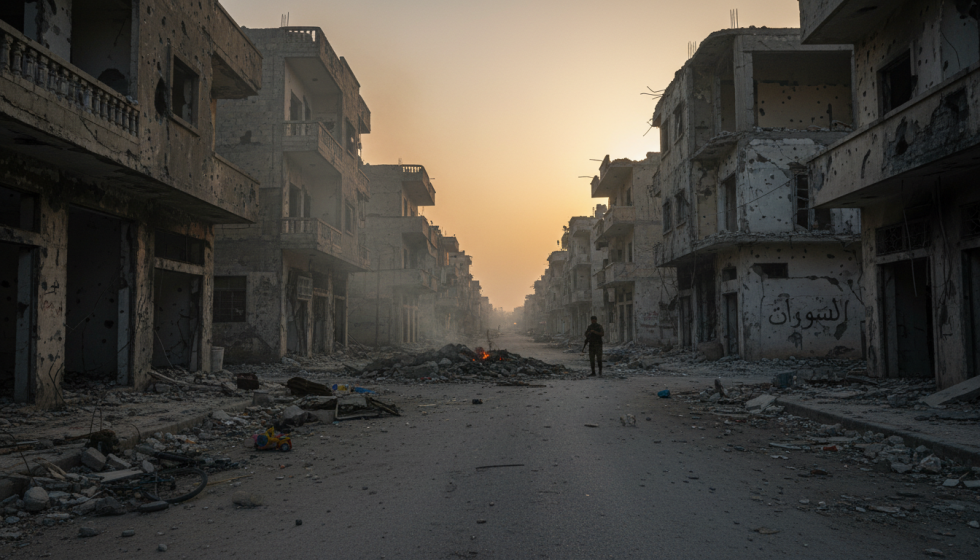
Hospitals and municipal services in affected districts described pressure on emergency rooms and basic utilities as families sought shelter and medical help. Lebanon’s National News Agency carried statements from local administrators about disrupted schooling and difficulties moving ambulances during periods of heightened alert. Today, humanitarian actors described needs that shift hour hour, from fuel for generators to safe corridors for patients with chronic conditions, while in a related lens on faith and diplomacy Gallagher in Cape Verde on Vatican peace diplomacy highlights how mediators elsewhere frame protection of civilians as a core objective. Live conditions on the ground remained tense, and an Update from aid coordinators stressed prioritizing access for medical supplies.
International Reactions and Concerns
Diplomats focused on compliance questions and the credibility of monitoring arrangements, arguing that accountability for incidents is central to preventing reprisals. The United Nations has repeatedly warned about the compounding effects of hostilities on civilians and service delivery, and Today those warnings were echoed in diplomatic exchanges at headquarters. For broader context on how multilateral bodies handle crisis oversight, UN denies Ratko Mladić bid to leave Hague jail illustrates how international institutions communicate decisions under intense scrutiny. Live briefings from humanitarian officials emphasized that sustained restraint is required to keep aid routes open. An Update from several delegations called for clearer incident reporting and rapid contact lines.
Future Prospects for Peace
Negotiators are now measuring whether the Lebanon-Israel ceasefire can hold long enough to translate the extension into durable security steps that both sides accept. Today, US officials reiterated that a workable arrangement depends on verification, timely communication, and consequences for breaches, while also keeping political talks moving. Regional interlocutors described Live confidence building as dependent on reducing miscalculation, particularly during periods when alerts rise quickly. Separately, an Update from humanitarian coordinators urged that any security roadmap include commitments that protect civilians and preserve access for relief teams. With casualties still being reported official Lebanese channels and covered Reuters, the diplomatic test is whether the extension produces fewer incidents rather than simply delaying the next cycle of escalation.