Eric Schmidt’s Controversial Graduation Speech
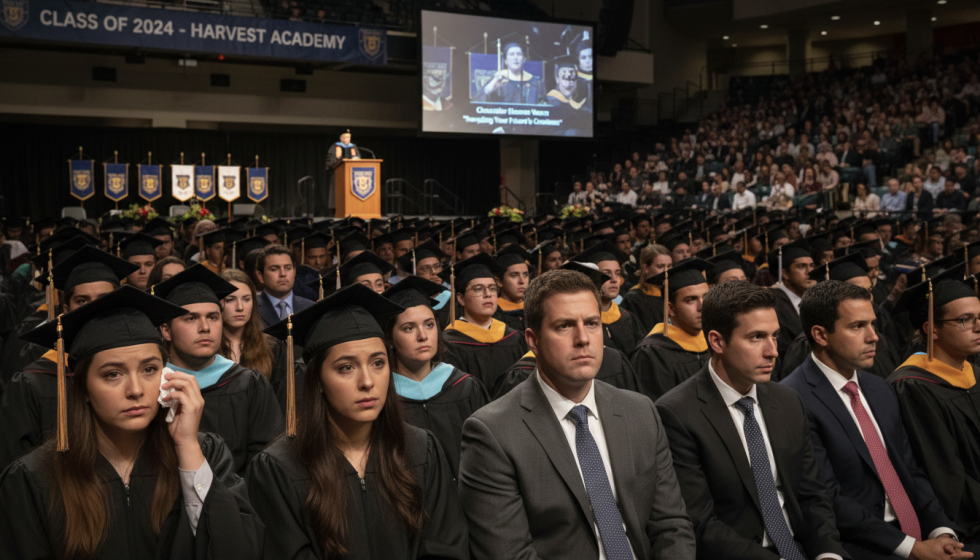
Graduation ceremonies turned tense this week after former Google CEO Eric Schmidt drew boos when he addressed artificial intelligence and what it means for new entrants to the workforce. Students in the crowd raised signs and chanted over parts of his remarks, prompting organizers to pause briefly before the program continued. In the middle of the address, backlash 2026 surfaced as graduates argued the message sounded like a lecture about adapting, rather than a commitment to protect entry level paths. Today, campus organizers told local media the reaction was spontaneous and reflected months of debate about automation and hiring. Security staff said no arrests were made, and the event concluded on schedule.
AI’s Role in Shaping Graduate Futures
The flashpoint is not only one speech, it is how quickly employers are restructuring work around models, copilots, and automated screening. The BBC reported that industry leaders are warning AI could put people off tech jobs and hurt the economy, sharpening concerns that graduates will face narrower on ramps into engineering and design roles. In the same Live conversation circulating among students, critics cited youtube ai age verification as an example of AI moving from labs into everyday gatekeeping without clear accountability. Today, university career offices said they are receiving more requests for guidance on how to disclose AI use in portfolios and interviews. Administrators are issuing an Update on policy language for academic integrity and internship submissions.
Student Reaction and Rising Anxiety Over AI
Student leaders say the booing captured frustration with what they see as one way accountability: workers are told to reskill while companies automate faster than pay and protections can adjust. Organizers referenced AI backlash in the middle of their statement, arguing that graduates are being asked to absorb the risks of rapid deployment, from biased hiring filters to surveillance like youtube ai age verification backlash debates on creator channels. A separate campus group pointed to the indian ai startup sarvam ai backlash discussion in Indian tech circles as evidence that public trust issues are global, not limited to US campuses. In a Live thread monitored student journalists, participants asked for clearer rules on consent and transparency. The group published an Update after the ceremony clarifying it did not target any individual student volunteers.
Challenges Facing Today’s Job Market
Hiring managers say the immediate strain is at the junior level, where employers can substitute tasks with automation while still demanding experience for remaining roles. A careers director said the pipeline is tightening even as graduates submit more applications per week, and Today many are tracking recruiter activity in real time to avoid being filtered out automated systems. Some students circulated a related tech policy explainer, Lightweight Blockchain Boosts Smart NFT Security, in the middle of the debate over backlash 2026 to compare how governance discussions can shape adoption. Others drew parallels to enforcement problems in content platforms, echoing the BBC coverage of AI and workforce confidence. An Update from one department said it is expanding employer audits for internships, including how AI tools are used in evaluation.
The Path Forward in the Age of AI
University officials and labor advocates are converging on practical demands: disclose when automated systems decide admissions, hiring, or discipline, and require appeal paths that a human can explain. Today, student representatives said they want contracts for campus recruiters to include transparency about AI screening, and they cited newsroom standards for clear sourcing as a model for documentation. In the middle of that push, backlash 2026 is becoming shorthand for a political year when graduates expect candidates to address automation in wages, privacy, and competition policy. A policy researcher noted that credible rules must be enforceable and audited, not only voluntary codes. Live coverage of the incident has already prompted alumni groups to plan panels with employers and regulators. An Update from the organizing committee said future commencement speakers will be briefed on audience concerns about jobs and AI governance.