US Military’s Reconnaissance Flights Near Cuba
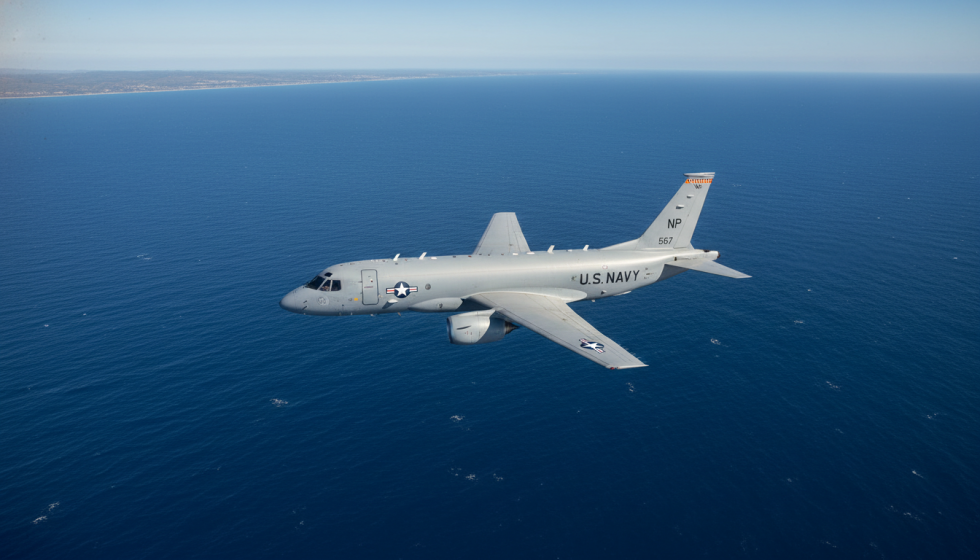
Radar watchers and open source analysts monitored new US flight paths near Cuba on Tuesday, adding to a tense regional security picture. Officials did not publicly detail mission objectives, but the tracked routes pointed to sustained air surveillance patterns over international waters. The BBC described US military jets and drones being tracked near the island as tensions rise, a framing that has kept the episode in headlines Today. The activity unfolded as Live tracking forums compared call signs and transponder behavior, while an Update cycle spread quickly across social platforms. The Defense Department has not confirmed individual sorties, and Cuban authorities have not released a matching operational briefing.
Implications for US-Cuba Relations
Diplomatic stakes sharpen when military movements appear close to a long disputed boundary of trust between Washington and Havana. Midday briefings noted that US military activity is being scrutinized alongside Cuba tensions, with both governments sensitive to domestic political optics. The BBC account, available in Today coverage in BBC report on jets and drones near Cuba, has become a reference point as officials weigh public messaging. In parallel Live monitoring of air traffic feeds continued, and an Update from regional diplomats focused on deconfliction language rather than escalation. Any formal demarche would typically be disclosed the US State Department or Cuba’s Foreign Ministry, neither of which has published new documents.
Global Reactions to Rising Tensions
Outside the region, governments and analysts are reading the incident through broader competition dynamics, including intelligence support activity and maritime domain awareness. Some security commentators emphasized caution about inferring intent from sparse data, while still stressing the importance of predictable communication. A separate policy debate about technology oversight surfaced in other news cycles, and a contrasting example appears in Pope Leo XIV Launches New Vatican AI Commission, which highlighted governance themes that also shape defense transparency discussions. In Today statements, officials in several capitals avoided endorsing any side, preferring Live calls for stability and an Update oriented toward crisis management rather than rhetoric. No multilateral body has announced emergency consultations tied specifically to the flights.
Historical Context of US-Cuba Military Presence
The current tracking episode lands in a long history of proximity operations around the Caribbean, where both sides have repeatedly complained about surveillance and signaling. Analysts noted that Navy reconnaissance and related air missions have been a recurring feature of regional security architecture for decades, even as diplomatic channels have opened and closed at different moments. Coverage of other flashpoints in Today audiences, such as Trump warns Iran as peace talks stall again now, has kept attention on how military postures intersect with political messaging. Live attention to aircraft identifiers continues because small changes can indicate shifting tasking, and each Update in routing patterns shapes interpretation. Still, without official confirmation, the operational meaning of individual tracks remains uncertain.
Future Prospects Amid Increasing Tensions
Near term outcomes will likely hinge on whether either side chooses to publish clarifying details or to treat the episode as routine. If the US offers explanations through the Pentagon or State Department, it could lower uncertainty and reduce the risk of misreading future air surveillance activity. Cuban officials may also respond through formal notes or public broadcasts, steps that would be visible in Today headlines and could influence Live diplomatic exchanges. Any Update in flight frequency, altitude profiles, or support assets would be closely parsed specialists who track regional patterns, including Caribbean monitoring cells based in Florida. What matters most is that deconfliction remains active, because predictable communication can keep sensitive reconnaissance from becoming a broader political rupture in an already strained relationship.