Demonstrators Demand Resignation
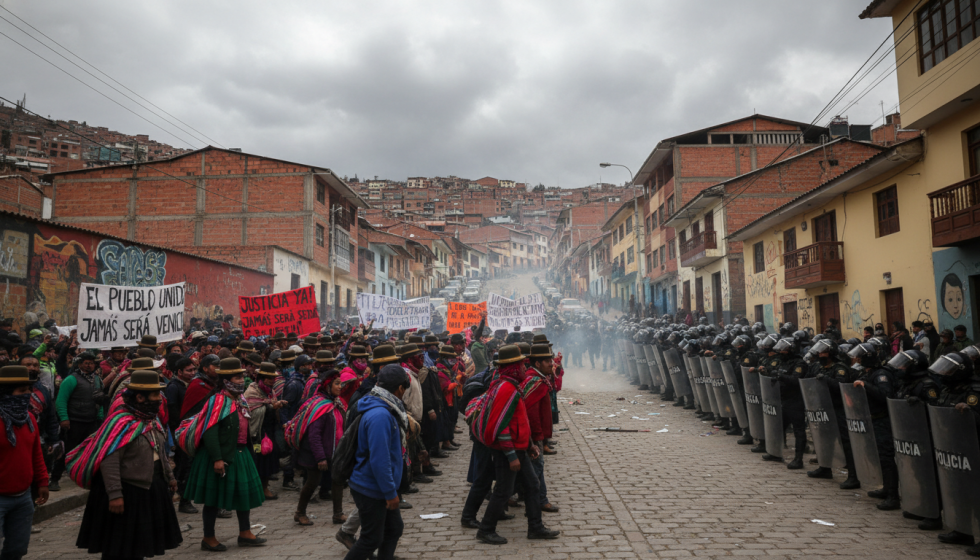
Street rallies widened across several Bolivian cities as opposition groups pressed for the president to resign, with organizers calling for continued marches and road blockades. Live footage from local broadcasters showed columns of protesters converging on central avenues while vendors closed early and buses diverted. In the middle of the crowd, chants framed the mobilization as anti-government demonstrations tied to anger over governance and the cost of living. Today, union leaders said the goal was to force an immediate political reset, while civic committees urged supporters to keep pressure on institutions. Reuters described rolling confrontations that drew larger turnouts into the evening, as police lines formed around government buildings and key intersections.
Police Clashes Intensify in Capital
In La Paz, riot police used shields and tear gas to disperse groups attempting to push through cordons near official offices, and medics treated people for exposure, according to Reuters. Live scenes from the capital showed stones thrown back toward security lines, and officers advancing to clear streets for emergency access. Midway through the day, readers following parallel coverage on Pope Leo XIV Tours Vatican Observatory, Sets Agenda also saw how quickly public order measures can reshape access around secured sites. An Update from municipal officials said traffic controls would remain in place through the night, with some public services operating on reduced schedules. Today, residents reported loud bangs and intermittent sirens, as helicopters and drones monitored dense crowds over the city center.
Impact on Bolivian Society and Economy
Businesses in affected districts shortened hours and schools adjusted attendance as protests in bolivia disrupted normal routines and strained local supply chains. The national ombudsman office urged restraint and respect for the right to protest, while neighborhood groups organized volunteer cleanups after clashes, according to statements carried Bolivian media and cited Reuters. For comparison, the United Nations has detailed how shocks like extreme weather can compound shortages in the region, in UN report on heat, floods and drought across Latin America. An Update from transport operators warned that blockades could delay food deliveries and fuel distribution if pressure points remain closed. Live reporting from markets showed rising queues for staples in some areas, even as other districts continued trading under heavier security.
Government’s Response and Strategy
Authorities kept a visible security presence and said they were balancing public safety with the right to assemble, while prosecutors warned that attacks on officers or public property could trigger criminal cases, according to Reuters. Ministers insisted that dialogue channels remained open with unions and civic leaders, but they also emphasized that blockades would be cleared if they threatened hospitals and airports. For broader context on how states respond during unrest, see Kenya Transport Halted as Fuel Price Strike Spreads which tracks similar pressure points around fuel, mobility, and policing. In the middle of official messaging, the government framed anti-government demonstrations as being driven political rivals seeking leverage rather than reform. Today, state agencies issued a Live timetable for limited public transport corridors to reduce bottlenecks and allow ambulances to move.
International Reactions and Influences
Regional diplomats monitored the situation closely as Bolivia protests raised concerns about cross border commerce and the security of main routes that connect Andean supply lines. Brazilian traders and logistics firms flagged possible delays on corridors used for exports and imports, and commentary around bolivia vs brazil circulated as markets watched for disruption, according to Reuters. Live briefings from local authorities focused on preventing spillover into airports and major highways, while human rights groups urged proportional use of force during dispersals. An Update from international observers emphasized that any detentions should follow due process and that injured demonstrators should receive immediate care. In Brasília and Buenos Aires, officials in neighboring capitals avoided direct intervention but urged calm and a return to negotiations, as the political standoff continued to play out in the streets.