What’s the Deal with the Portugal Labor Strike?
The Portugal labor strike is shaking up transport and public services, with airports and health facilities feeling the pinch with fewer staff and longer lines. Travelers are on edge, as reports from union notices and operator advisories suggest, and are urged airport operators and airlines to double-check flights before heading out. Patients face delays for non-urgent care, as marked union statements. The coordinated walkouts are likely to hit hard during peak hours on 3 June 2026, potentially forcing operators to emphasize minimum service levels. Government officials, in a rather predictable fashion, are calling for talks to reboot and cautioning that ongoing stoppages can stack up delays and costs. It’s another test of how soon officials can get things back to normal while talks drag on.
Unpacking Airport Tumult Amidst the Strike
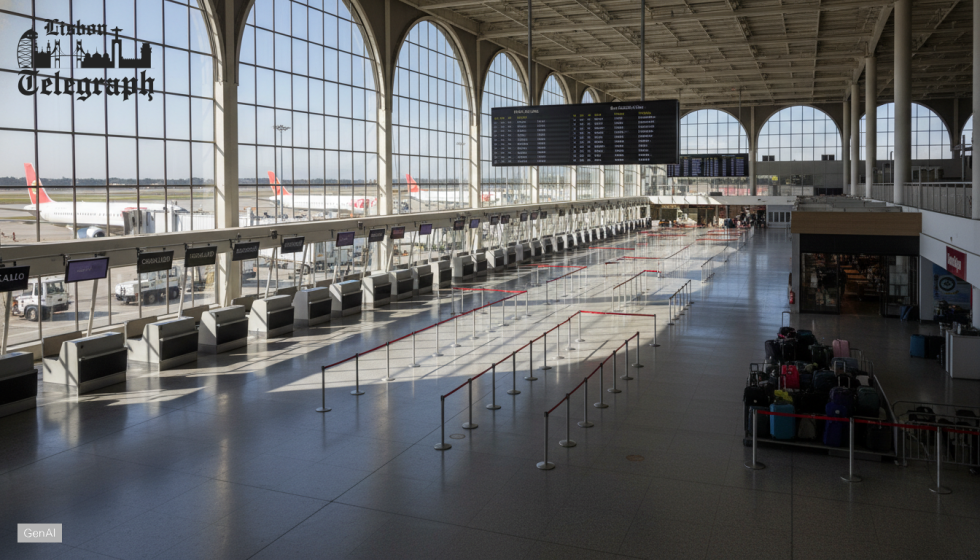
Passengers at key terminals have been caught in delays, thanks to staff shortages during the strike, as suggested traveler accounts and airport communications. Union notices hint at walkouts impacting check-in, ground handling, and some security duties. As the airport chaos related to the Portugal labor strike unfolded, airlines scrambled to rebook travelers and merge some flights to keep minimal operations afloat. Airport operators recommended customers confirm flight status with carriers before hitting the terminals, while staff attempted to manage lines and baggage pile-ups in the bustling halls. The day’s focus shifted towards rescheduling and handling missed connections as it progressed.
Healthcare Takes a Hit: Demands and the Fallout
Several primary care units and hospital departments worked with skeleton teams, as per health union statements and facility notices, leading to more postponed non-urgent appointments. Health unions tagged the stoppage as a shout-out against staffing shortages and wage demands. Administrators, however, are playing the hero prioritizing essential coverage for urgent needs. For insights on health data governance shaping patient systems, some folks nod towards Vatican health data ethics standards for research. The healthcare chaos linked to the Portugal labor strike piled pressure on phone triage lines and reception desks, with some families reportedly being redirected to emergency services when routine care hit pause. Clinics insisted they’re giving top priority to urgent care under minimum service requirements.
The Ripple Effect: Public Reaction to the Strike
Across transport hubs and city centers, strike repercussions were obvious in longer queues, jam-packed waiting areas, and restless passengers struggling to adjust plans, according to eye-witness accounts shared commuters and consumer groups. Consumer voices called for better signs and consistent updates from operators to help people decide on travel and appointments. Readers also highlighted Portugal braces for 17% cut to EU cohesion funds in budget limit talks. The labor action emerged as a hot topic in discussions about pay pressures, public service stamina, and the limits of disruption as a bargaining strategy. Employers’ associations slammed the extent of the stoppages, but union supporters argued that public inconvenience underscores unresolved disputes.
Official Line: Government Response and What’s Ahead
Ministers talked up the importance of keeping essential services ticking and pressed for more dialogue. Agencies noted they were juggling staffing to cover urgent needs. Global insights, including BBC coverage of Ukraine rescue operations after strikes, fed into debates on crisis planning’s back-dependency on public services. Airport managers admitted to switching shifts and leaning on fill-in staff, though the disruptions could clog up operations longer than hoped. Officials described the stoppage as a balancing act between constitutional rights and public needs for travel and health access. Calls for better notice and cleaner minimum service guidelines were made to cut the chaos for travelers and patients. If talks falter, union leaders suggest more action is on the cards, while employers may push for tighter service rulebooks.