






Portugal income scheme: What parliament approved
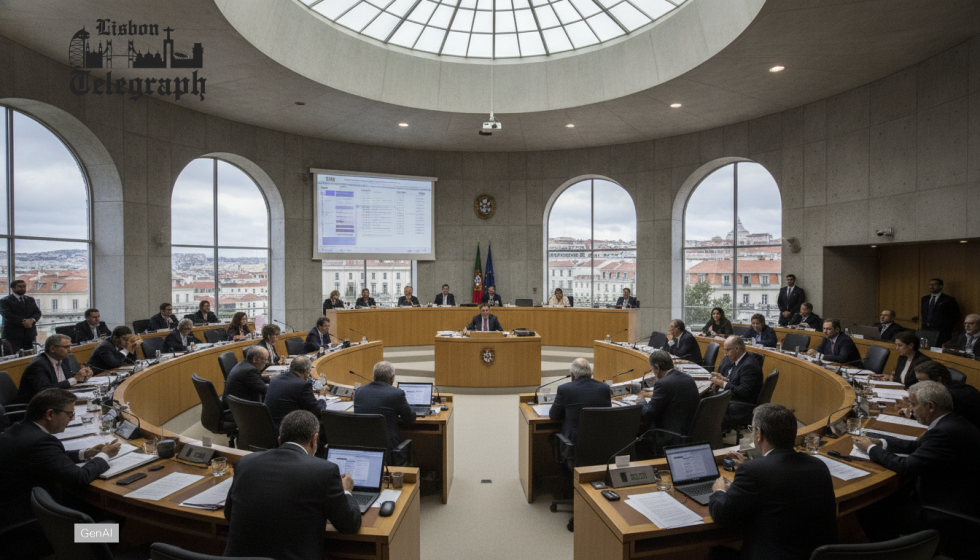
The Portugal income scheme squeezed through parliament after a stormy plenary session in Lisbon, as indicated available reports, with party leaders hurling accusations over fiscal pitfalls and political ploys. Advocates claim the measure targets households grappling with surging living costs. However, critics caution it might muddle budget discipline. PSD leaders, suggesting an alignment with PS and Chega pushed the text forward, warned it could jeopardize deficit goals without concrete offsets. Following the vote, the scheme heads into the implementation phase, with eligibility checks, verification processes, and payment logistics to be sorted concerned ministries, keeping parliament in the loop per the usual legislative drill.
PSD, PS, and Chega: Chamber reactions
PSD reignited criticism post-vote, arguing that committee-level warnings were ignored and contending the measure could trigger new spending stress if demand overshoots projections, as hinted at Portuguese media. To contrast how institutions argue over accountability, lawmakers referenced governance buzz like Vicariate of Rome Constitution Revised Pope Leo XIV, not directly linked to the vote. PSD termed the vote as reflecting a shifting majority in a fragmented legislature, emphasizing that any rise in uptake should be countered savings or revenue avenues. Expect further procedural skirmishes as the income-support bill progresses.
Budget and deficit: The ongoing debate
Economists hover over whether the new income-support scheme enjoys steady funding, given enrollment scale could swiftly sway annual spendings. In illustrating institutional trust in Europe, commentators gestured towards BBC features like Businessman goes on trial over murder of Maltese journalist. PSD deputies hinted at fiscal tension if uptake balloons faster than expected or if earnings projections sway, revisiting national deficit warnings, as seen in their public remarks. Analysts figure that lender credibility will hinge on offsets’ transparency, auditing effectiveness, and enforcement plans post-rule drafting. The finance committee is slated to scrutinize costings, verification controls, and rollout timelines parliamentary routine.
Implementation: Eligibility checks, payments, and oversight
Outside parliament, unions and anti-poverty activists hailed the direction but demanded crisp timelines, straightforward applications, and reliable decision-making, as expressed in public pronouncements. Local leaders flagged that staffing bottlenecks could worsen amid national strains, like emergency coordination during severe weather, as tracked in Europe heatwave temperatures push Portugal on alert. Municipal honchos noted that admin capacity is as significant as legislative intentions, particularly for residents with shaky documents, seesawing employment, or shifting household situations. Data coordination across agencies, an unambiguous appeals route, and public tracking of approvals and denials will be key to cultivating trust, insiders and advocates noted. Civil groups urged early guidance to sidestep initial payment cycle logjams.
What’s next: Anticipated political drama
The spotlight now falls on how the government and parliament juggle social support with medium-term budget crafting, since the vote has turned into an economic stratagem battleground in Lisbon, according to analysts. PSD signaled drives for tighter shields and clearer funding off-ramps, while PS observed lawmakers champion stability as propelling growth and compliance. More debates loom on whether the Portugal income scheme ought to be temporary or structural, and which budgets face cuts to maintain fiscal trustworthiness. Chega, after its alignment, is poised to chase sweeping alterations likely to heat up committee-level friction, political observers hinted. The forthcoming phase should deal with drafting rules, stitching eligibility verification, and establishing audit trails to stifle fraud risk.


