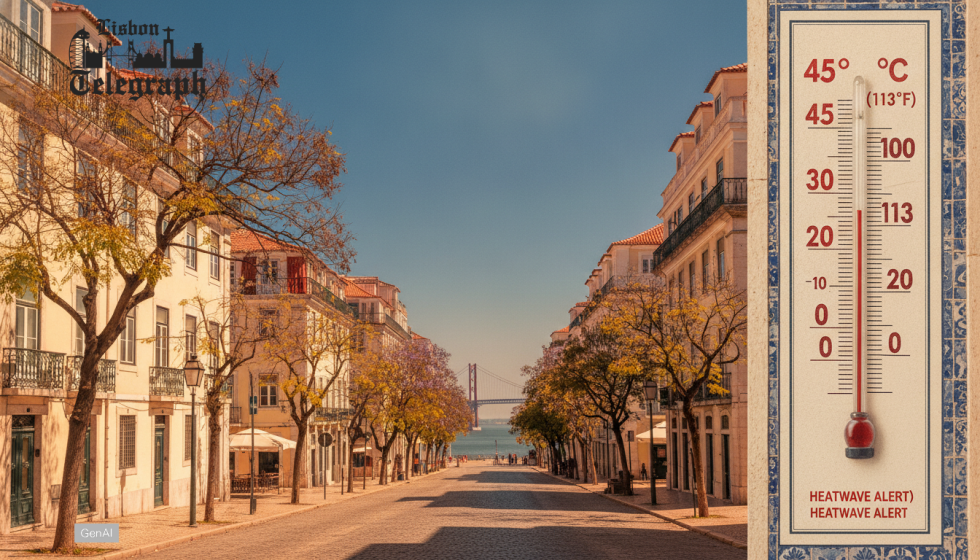
Lisbon heatwave: red alert for Lisbon and neardistricts
The Lisbon heatwave has pushed Lisbon and surrounding districts into red alert as temperatures climb and wildfire risk rises, according to available reports from Euronews. Local authorities want you to keep tabs on official updates, cut down on outdoor escapades during the hottest parts, and stay sharp for early hints of heat illness. Conditions are ripe for things to get uncomfortable fast in urban jungles, especially when nights refuse to cool down. If you’re managing outdoor teams, rethink schedules and make sure there’s shade and water, as workplace safety guidelines suggest. Hydrate, check on the vulnerable, and don’t hesitate to reach out if symptoms worsen, the messaging keeps reminding. However, some services indicate that the heat plus dry conditions could quickly stir up trouble.
What the red alert means and how officials are responding
Municipal services and civil protection teams are reportedly tweaking staffing and patrol routines to tackle the increased risk level across the metro area. Public health advice is being drilled through local networks, focusing on hydration, shade, and keeping an eye on at-risk neighbours, according to advisories. For more on what’s happening across Europe as the mercury rises, check out Europe heatwave temperatures push Portugal on alert. Emergency prep talks are spotlighting heat stress prevention and taming fire risks during scorching hours. Some services reportedly take a hard look at daytime highs (40C being a flare) and pairing it with low humidity and gusty winds as risk boosters; make sure to stay updated with your district’s official alerts. Officials caution that things could change on the fly as forecasts evolve.
Health risks, symptoms to watch, and practical steps
In the thick of a Lisbon heatwave, medical experts say heat exhaustion and stroke could sneak up quicker than you’d expect, especially on the elderly, kids, and folks with lingering health issues. Watch for signs like dizziness, headaches, nausea, or confusion—get serious help if they spiral quickly, say repeated medical alerts. Keep it basic as health bodies usually advise: drink lots of water, steer clear of hardcore exercise mid-afternoon, and cool down with lukewarm showers or wet cloths on joints. Here’s a related piece you might find interesting: UK Heatwave to Threaten with Hottest Night After 36.7C. Keep blinds pulled on sun-facing windows and open up at night only when it’s cooler outside than in, advises many hot-weather tips.
How residents and businesses are adapting day to day
In Lisbon, folks are altering their routines, hitting the streets early morning or late evening to dodge the midday scorch, which sways activity at cafes and small retailers reliant on daytime buzz, according to local word. Event planners are shifting times and boosting water supply, while shops see a spike in fans and cooling essentials sales. Building choices weigh heavy too, as top-floor apartments trap heat, making night recovery harder and daytime more exhausting, noted heat-health guidance often states. For more related reads on the capital’s multi-day heat grind, see Lisbon heatwave: Portugal braces for soaring highs. Some businesses push outdoor work to cooler slots and factor in extra breaks, aligning with heat advisory tweaks. Residents are closing shutters earlier and slashing afternoon chores to stay out of the sun.
Longer term outlook and planning for repeated extreme heat
Those repeated scorchers are sparking new chatter on heat-shielded streets, water spots, and cooler public spaces, as seen in frequent city council discussions. Teams are pondering more resilient street designs, thinking about extra trees and reflective grounds, and speeding up protective actions based on clearer district cues, insiders say in other contexts. Researchers link climbing baseline temps to a higher chance of drawn-out heat episodes, with urban heat islands cranking up nighttime temps in coastal cities, according to climate research. For a quick check on another recent local event, see Magnitude 4.1 quake shakes southern Portugal, checks begin. Predictions vary, but decision-makers now eye heat as a big resilience player alongside drought and wildfire concerns. Schools, care centers, and transit are rethinking ventilation and schedules to cut down exposure, and districts are considering cooling refuges and targeted outreach during future sizzling alerts, as highlighted during recent discussions.