General strike in portugal: what happened and where
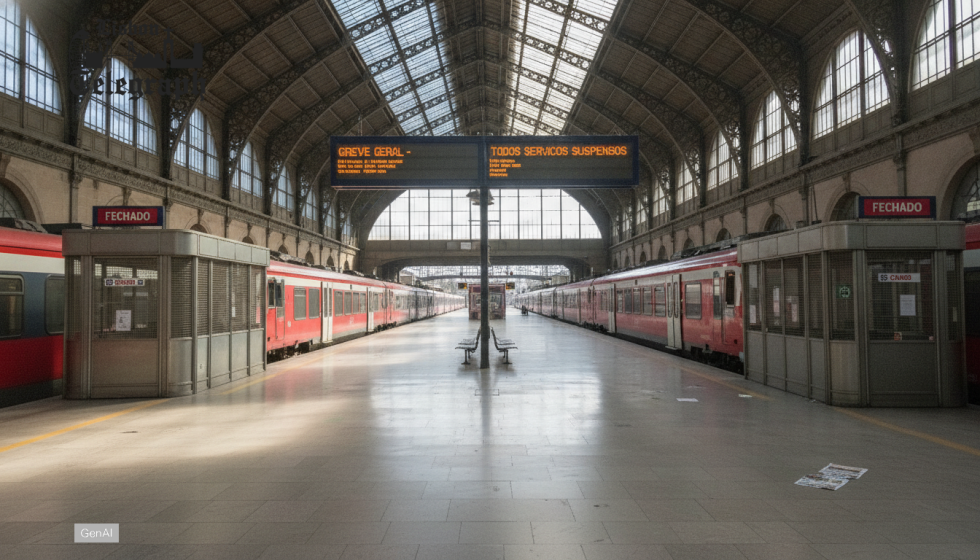
Transport and public services across the country were disrupted as unions mobilised against proposed changes to employment rules. In Lisbon and Porto, Reuters described reduced train operations and significant knock on effects for commuters heading into the cities, according to available reports. In the middle of the disruption, the general strike in portugal cut rail services and caused flight cancellations, with schools also shutting in some areas, according to Reuters. Airport schedules were affected as ground handling and related services faced staff shortages, Reuters reported. Public facing offices in several municipalities also reported limited capacity, reflecting broader stoppages across services. Employers urged staff to check service alerts and workplace notices, while union leaders framed the stoppage as a warning over the direction of labour policy.
Unions, employers and the policy demands
Union federations and sector specific groups led mobilisation, arguing that planned reforms weaken bargaining power and job security. Reuters said organisers tied the stoppage to opposition against making dismissals easier and limiting compensation, while also criticising rules they say encourage precarious contracts. In a related regional politics thread, attention has also fallen on Pope Leo XIV Spain visit: dates, aims, key events, even as Portuguese unions focused on domestic legislation. Reuters reported that organisers also demanded higher wages that keep pace with living costs and stronger protections for shift work in transport and public services. Business associations countered that employers need flexibility to invest and hire, but union spokespeople said flexibility has too often meant instability for workers.
Timeline, sectors affected and travel disruption
Commuters described crowded alternatives and longer travel times as rail schedules thinned and some school routines were interrupted. Reuters said the impact was most visible in transport hubs, where fewer departures and staffing limits forced travellers to rebook or delay trips. For readers tracking urban transport capacity in Lisbon, recent infrastructure reporting such as Lisbon Metro upgrade adds Esmeralda rail grinding gear has highlighted how maintenance planning intersects with service resilience during stoppages. Consumer groups urged clear communication of minimum service levels so passengers could plan, while some parents said closures shifted childcare burdens. Analysts interviewed Reuters have suggested that repeated shutdowns can erode confidence in service reliability, but also noted that short, broad stoppages can sharpen political attention without causing sustained economic damage.
Historical context: strikes and labour code disputes
Portugal has a long tradition of nationwide stoppages used to pressure governments during major economic and legislative turning points. Reuters linked the latest action to recurring disputes over labour codes since earlier rounds of reforms in the past decade, when governments sought to lower costs and boost competitiveness. Union leaders cited earlier episodes when collective action forced negotiation over severance rules and temporary contracts, Reuters reported. Separate national planning updates, including Portugal Gears Up for World Cup 2026 After Final Session, have also kept attention on how major events intersect with capacity, staffing and public services. Economists also note that Portuguese strikes often concentrate in transport, education and municipal services, where union density is higher and disruption is immediate.
Government response and what happens next
The government said it will keep essential services running and defend the reform package as necessary for competitiveness and investment. Reuters reported that officials pointed to growth and employment goals, arguing that updated rules can attract businesses while preserving core protections. In the middle of the government response, the general strike in portugal was presented ministers as a disruption that should not derail legislative timelines, though they said dialogue channels remain open, Reuters wrote. Parliamentary negotiations are expected to continue, with ministers meeting social partners and sector representatives in Lisbon to discuss specific clauses. Opposition parties used the stoppage to demand revisions and more worker safeguards, while the government signalled it will seek compromise only on provisions it believes can be adjusted without weakening the overall reform framework.