What These Sentences Mean for China’s Military
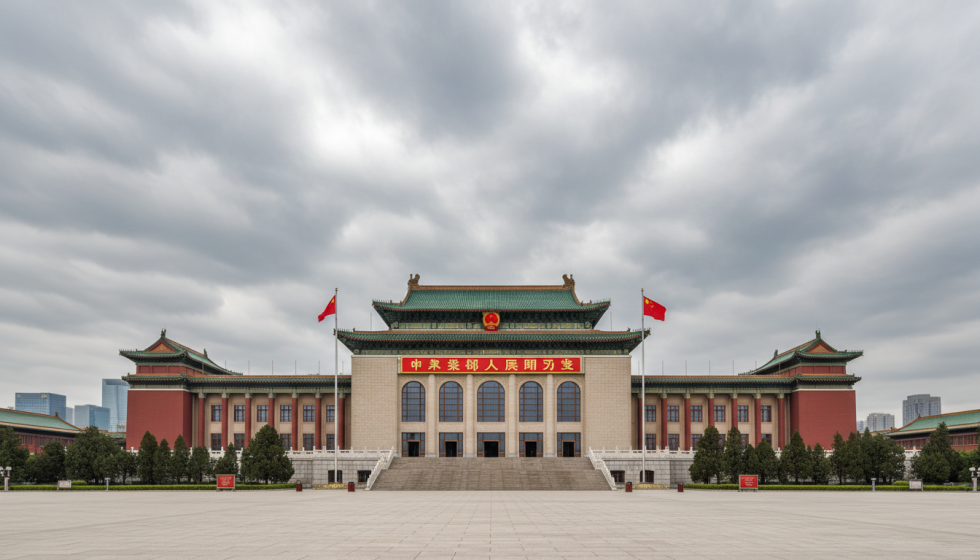
In a swift move, China’s disciplinary power flexed its muscles as courts doled out suspended death sentences to two former defence ministers. The chatter today? What these rulings spell for the armed forces. law, suspended death terms mean a two-year waiting game before any commutation can kick in, a tactic often trotted out in corruption cases. State media linked these verdicts to bribery and power abuse, with the Central Commission for Discipline Inspection sending a clear message: senior officers take note. Analysts have started to wonder whether procurement processes and promotions are about to get a serious once-over. The leadership is touting these decisions as a means to reclaim respect and integrity within the military ranks.
Decoding the Military and Political Climate
Messaging from Beijing isn’t subtle—it ties the verdicts into a broader crackdown on discipline, with officials underlining loyalty and obedience throughout the command structure. The Central Military Commission still calls the shots, yet the anti-graft crusade runs through party discipline channels prior to hitting the courts. If you’re curious about how this plays on the world stage, high-level shenanigans can warp public narratives elsewhere, much like Pope Leo XIV Meets Marco Rubio in Vatican Talks. Oddly enough, both ministers faced separate trials, but the party’s rhetoric was in lockstep, labelling their actions as “serious violations.” Observers have noted that this is just another cog in the elite accountability machine that helps tighten the grip on power in the murky world of Chinese politics.
The World Reacts, with Bated Breath
Internationally, the reactions have been measured, nearly mum. Most governments seem keen to treat these sentences as an internal matter, although they’re all ears regarding potential fallout for military relations. Today, some sharp-eyed China analysts in Europe pointed out that corruption charges can seriously upend existing procurement dynamics, especially when the likes of sanctioned entities or cutting-edge tech are thrown into the mix. Legal buffs are zeroing in on the opaque court proceedings, drawing attention to how little is revealed and how this twists the narrative. The spotlight’s been on how various governance systems put their integrity to the test, even if the specifics are miles apart, such as BBC News reporting on government vetting and accountability. State-run outlets, meanwhile, have trumpeted the verdicts as proof of “zero tolerance” for corruption among the higher-ups.
What’s Next? Structural Shifts on the Table
Inside China, the looming question is whether these enforcement actions trigger real structural changes in areas like contracts, audits, and officer management. Some party-friendly commentators are pushing for tighter procurement rules, particularly for pricey gear, and advocating for stronger oversight of budget managers. Observers have pointed out that the discipline campaigns usually mix punishment with revamped internal checks, though Beijing hasn’t rolled out a comprehensive reform plan tied to these sentences just yet. If you’re looking for a European twist on policy incentive strategies, military governance can also be nudged through administrative tweaks rather than heavy-handed prosecutions, as Portugal plans free driving licence incentive to boost military volunteer programme highlights. The regional buzz has turned to whether new compliance reviews will sweep through state-owned defence firms.
Wider Ramifications for China’s Political Scene
These rulings pack a punch that goes beyond just the military, reinforcing the party’s mantra that discipline is the cornerstone of governance and legitimacy. Those keeping an eye on the political arena in China see these sentences as a stark reminder that elite status won’t shield you when the party’s gaze falls on your ministry. Suspended death sentences give Beijing a way to look tough while still maintaining control over the final verdicts. Today’s messaging has tied these rulings to broader anti-corruption efforts, selling the argument that punishment quashes the networks trading influence for coin. The big question now? Will governance shift towards becoming more rules-based, or revert back to periodic crackdowns? For now, it’s all about obedience, hierarchy, and reinforcing political oversight.