Government Hits Back at Claims
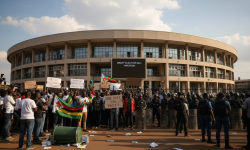
Officials in Pretoria are having none of it, swiftly countering the viral clips alleging that foreign nationals are victims of street violence. During a live briefing the public broadcaster SABC, the Government Communication and Information System debunked these so-called videos, declaring them mislabelled and inconsistent with the South African Police Service’s verified logs. To add a sprinkle of diplomatic finesse, the Department of International Relations and Cooperation revealed they’d reached out to diplomats to share initial findings and dial down the escalating tensions. Police spokespeople confirmed to SABC that the case numbers and locations splashed across the internet simply cannot be matched with their dispatch records. Authorities are hammering home the point that community safety operations are ongoing, while warning about the dangers of manipulated media inciting panic and retaliatory threats.
How Fake Videos Fuel Misinformation
Investigators have pointed fingers at the most shared clips, which showcase scenes from random protests or ancient incidents, cleverly manipulated with captions signalling a xenophobic attack is on the rise. A digital forensics expert quoted Reuters laid bare the tell-tale signs: recycled footage, altered timestamps, and dodgy audio that doesn’t sync up with the visuals. As the live coverage rolled on, officials highlighted a different example of online sensationalism in Pope Leo XIV Meets Marco Rubio in Vatican Talks, illustrating how viral narratives sprint ahead of verification, like a racehorse leaving the gates. On a broader scale, the UN has also documented how displacement pressures stir up rumour mills across Africa, with a report on Sudanese refugees in Egypt highlighted in a UN News report on Sudanese refugees in Egypt. Authorities are urging social media platforms to retain uploads as evidence as prosecutors sift through the relevant statutes.
African Union’s Possible Intervention
Word from diplomats suggests the African Union is keeping a close watch, poised to offer technical support if needed—think liaison teams to chat with community leaders and embassies. Discussions around South Africa’s xenophobia have surfaced during earlier AU dialogues focusing on mobility and labour, and officials are keen for any intervention to adhere to formal channels instead of succumbing to social media frenzy. Today, DIRCO briefed envoys on what they dubbed a verification process while the police pledged to consistently update the public with submitted case references. Expect more meetings in Pretoria as regional representatives gather, according to DIRCO spokesfolk, with authorities promising to share findings with AU peace and security officials to curb retaliatory messaging and safeguard cross-border trade.
Impact on South Africa’s Reputation
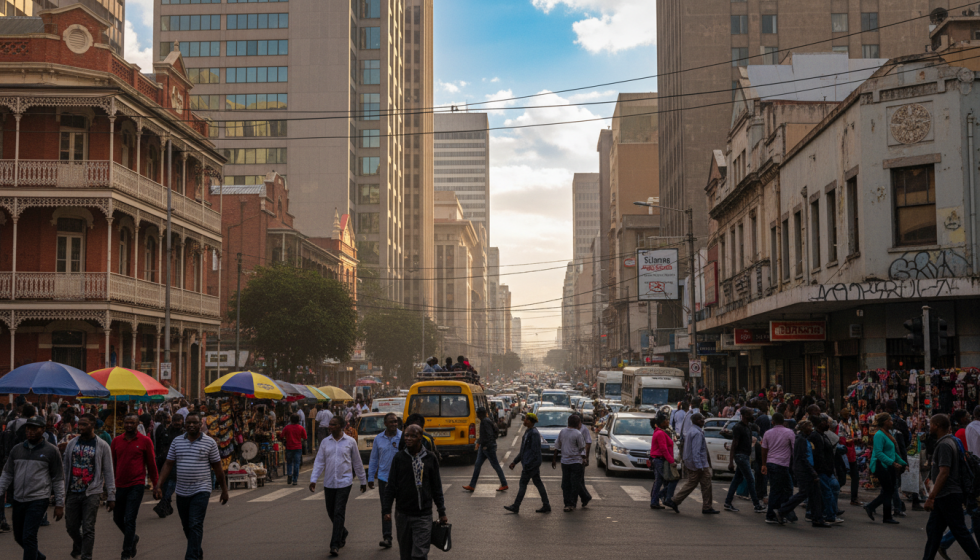
Tourism and investment figures are fretting over the reputational damage inflicted these videos, particularly as online searches for xenophobia in south africa skyrocket. Brand South Africa’s executives spilled the beans to the Sunday Times, revealing that images of street chaos, even when distorted, can seriously skew perceptions. This has prompted the agency to coordinate its messaging with provincial tourism authorities. In updates paired with real-time social monitoring, analysts argue the nation must exhibit swift verification and visible policing without stoking tensions. Officials highlighted existing efforts on information integrity, tying this into the disaster of governance under a microscope, much like the conduct scrutiny in Portugal, showing how institutions manage their credibility while under fire. Business groups are hammering for transparent briefings that separate criminal activity from ethnic targeting claims.
Reactions and What’s Next
Foreign missions are churning out consular advisories urging vigilance and clear reporting channels while steering clear of unverified claims. Reuters informs us that multiple governments have sought direct verification from Pretoria; responses will include timelines, geographical checks, and any arrest details that don’t jeopardise ongoing cases. Prosecutors are pondering whether those who knowingly dish out falsified content could face charges under existing fraud or incitement laws, according to comments from the Justice Department reported Reuters. The government vows to tackle xenophobia in south africa 2026 through community policing forums and quick rebuttal units that churn out evidence-based updates as soon as rumours swirl. Live monitoring cells embedded within GCIS will track rising narratives and coordinate takedown requests with platforms regarding blatantly deceptive captions. The aim? To prevent a panic while maintaining the rights of lawful protest and public discussion.