






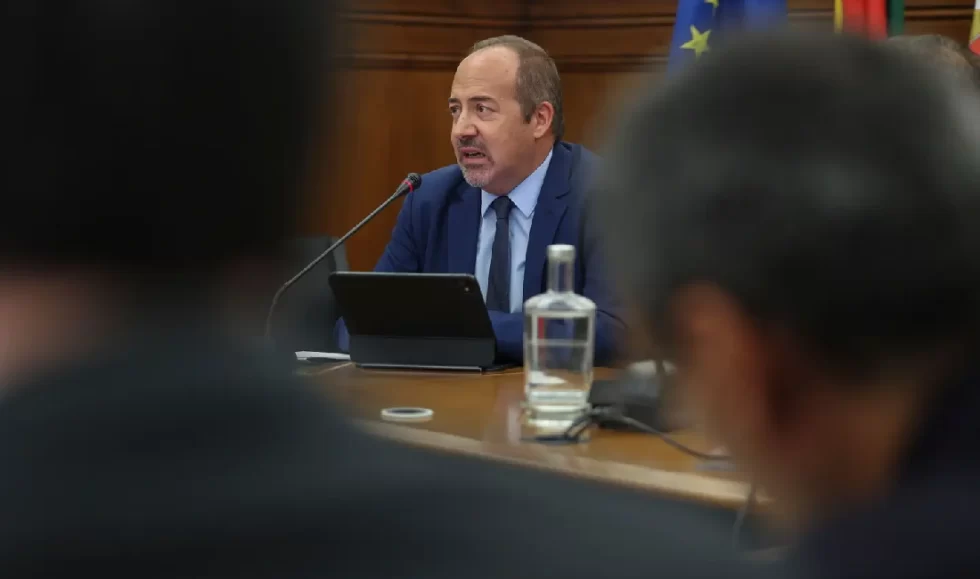
The Governor of the Bank of Portugal, Álvaro Santos Pereira, has been formally called to appear before the Portuguese parliament following growing political pressure over his past share transactions, which allegedly violated banking conduct rules. The move comes after weeks of media scrutiny and political debate surrounding his financial declarations and the timing of his investment activities while serving as head of the country’s central bank.
The parliamentary hearing was approved multiple political parties, including the right wing CHEGA, alongside support from centre right and centre left forces such as PSD, CDS PP, Iniciativa Liberal and the Socialist Party. The request was submitted to the Budget, Finance and Public Administration Committee, which is now tasked with examining the circumstances surrounding the share purchases made Santos Pereira during his tenure in office. Lawmakers aim to clarify whether proper ethical and regulatory standards were followed while he held one of the country’s most sensitive financial positions.
At the centre of the controversy are share transactions reportedly carried out after Santos Pereira had already assumed leadership of the central bank. These operations have since been publicly discussed in national media and were later annulled following intervention the European Central Bank, which instructed corrective measures after reviewing the case. While the annulment has been confirmed, political pressure continues to grow over whether the original actions constituted a breach of conduct rules applicable to senior banking officials.
The debate has been further intensified reports published in Portuguese media suggesting discrepancies between the governor’s declared financial holdings and his public profile. According to reporting referenced in national outlets, questions have been raised regarding declared savings and asset structures, despite the governor earning a monthly salary close to €19,915. The discussion has triggered broader political interest in transparency standards for senior financial regulators and the level of disclosure required under current governance frameworks.
Parliamentary sources indicate that the upcoming session may focus not only on the technical aspects of the share purchases but also on whether sufficient safeguards exist to prevent potential conflicts of interest at the highest levels of financial oversight. It remains unclear whether detailed bank account information or personal financial records will be addressed during the hearing, though lawmakers are expected to seek direct clarification from Santos Pereira regarding the sequence of events and compliance with internal regulations.
The case has placed renewed attention on institutional accountability within Portugal’s financial system, with political parties across the spectrum signalling the importance of maintaining public trust in regulatory bodies. As the hearing approaches, the outcome is expected to influence ongoing discussions about governance standards, transparency requirements and ethical oversight within national and European financial institutions.


