Wall Street gains after US-Iran ceasefire news
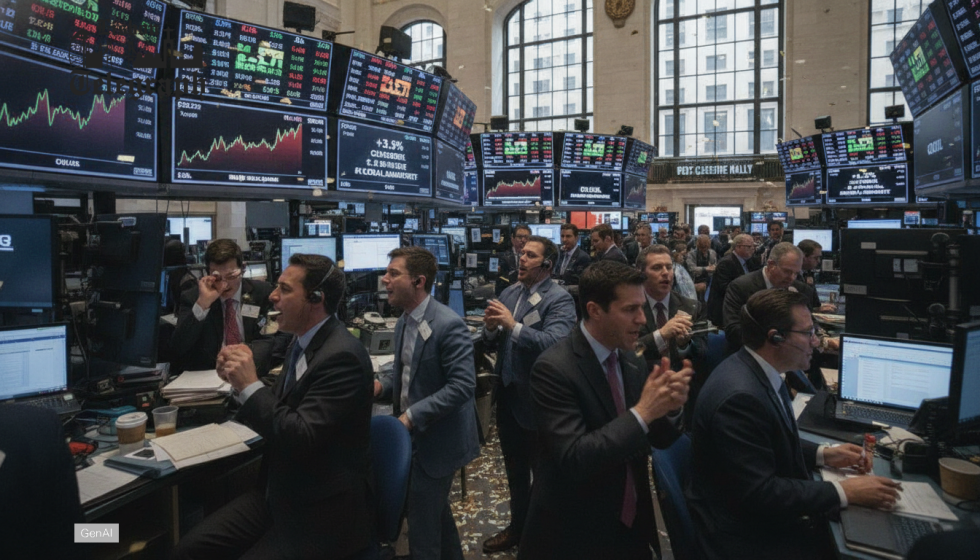
Reports suggesting a US-Iran ceasefire might have coincided with Wall Street gains, as investors appeared to dial back near-term geopolitical risk and reassessed energy-price pressure. Traders are fixated on whether shipping lanes and sanctions enforcement stay stable—a key variable for crude, inflation expectations, and equity risk premiums. The shift supported a relief bid across major US indices, while desks monitor follow-up statements and verification steps that might influence sentiment. Oil-sensitive sectors and rates expectations stayed in focus as markets speculated on what the suggested ceasefire could mean for supply risks, hedging costs, and broader financial conditions into the next run of macro releases.
Why markets rallied: ceasefire headlines and risk premiums
Diplomatic channels appeared to reboot, with officials in Washington and Tehran hinting at a cessation of hostilities, perhaps helping markets reprice tail risks tied to tanker insurance and disruption fears. Traders rotated toward cyclicals as implied volatility eased and profit-taking hit some energy and defense names that might have benefited from elevated tension, according to market participants. For background on how policy narratives can spread through online discussion, readers also shared Pope Leo XIV writings: English release of early texts in broader forums about institutions and messaging. Cross-asset desks also watched the dollar and credit spreads in search of confirmation that the move extended beyond equities.
Fed stress tests add another tailwind
Alongside the geopolitical relief, attention returned to bank resilience after the Federal Reserve indicated in its annual stress test that large banks are well positioned to weather a severe recession and continue lending. The Fed statement, dated June 24, 2026, is available here: https://www.federalreserve.gov/newsevents/pressreleases/bcreg20260624a.htm. Wall Street gains also reflected a turn back toward growth and higher-quality balance sheets as systemic stress concerns possibly moderated. That backdrop helped support financials and reinforced the view among traders that the session reflected a broader recalibration of risk appetite rather than a single-sector move.
Global economy implications: oil, inflation, and rates
Lower perceived disruption risk might translate into steadier energy pricing, which is significant for headline inflation paths and import costs across Europe and Asia. If crude risk premiums ease on ceasefire durability, rate-sensitive sectors can find support as investors consider whether reduced energy volatility might soften inflation fears at the margin. In parallel, investors continued to weigh regulatory risk in other asset classes, including commentary in Crypto regulation: ESMA calls out the rogue players as part of the broader risk-allocation debate. In Tuesday trading, Wall Street gains were tracked alongside moves in Treasury yields, credit, and the dollar to assess whether the rally was consistent with easier financial conditions.
What to watch next: data, guidance, and positioning
With the headline shock fading, macro focus shifted back to inflation reports, labor-market updates, and survey data that might reset the expected rate path, according to economists and market strategists. Earnings guidance remains central to whether the rebound can broaden, particularly when companies cite transport and energy services costs. Related tech-policy pressure points are also on traders’ radar via OpenAI GPT-5.6 release amid White House pressure and on-the-ground energy transition activities like Goldenergy launches electric mobility solution in Portugal. Positioning might also be sensitive to quarter-end liquidity, which can amplify intraday swings even when newsflow is quiet. Wall Street gains, in this framing, depend on ceasefire headlines being sustained and on incoming data not re-accelerating inflation concerns.