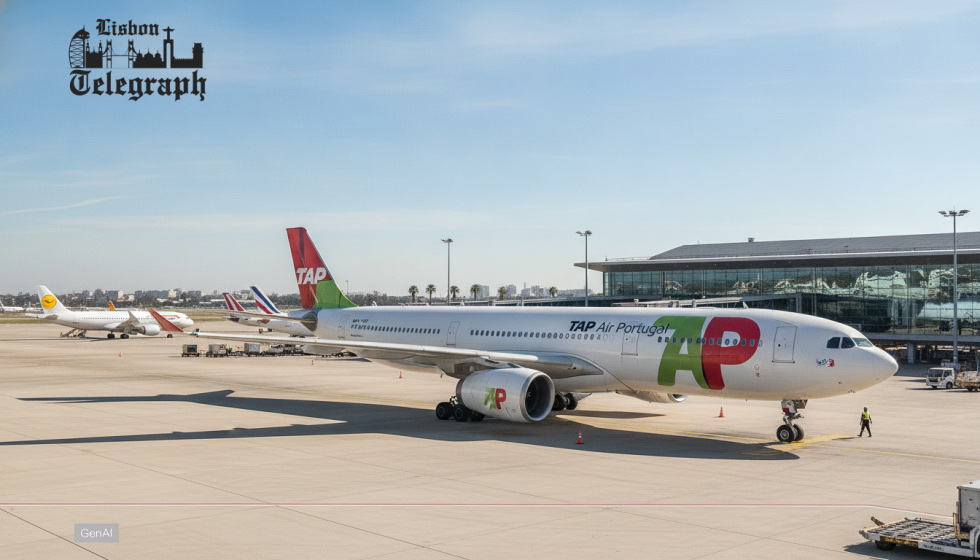
TAP Air Portugal Privatization: Why the Asset Matters
The sale of a stake in TAP is heating up as Lisbon reviews binding bids for the flag carrier. According to available reports, Lufthansa and Air France KLM have made their moves, eyeing TAP as a unique gateway asset rather than just another acquisition. The focus is on the Lisbon hub, where schedules, long-haul connections, and bilateral access are prized elements that could swiftly change with new leadership. Portugal is intent on safeguarding key routes, preserving jobs, and maintaining hub significance. This could shift alliance dynamics between Europe, North America, and Africa.
Binding Bids: What’s on the Table?
The binding phase means real business—bidders have moved from showing interest to laying down concrete plans, including finance, governance, and integration details. As reported, the two groups have tabled binding offers, paving the way for deeper due diligence and shareholder talks. For a take on how macro uncertainty impacts European deal appetites, check out UK rates held as Iran conflict risks cloud outlook. Key documents remain under wraps, but observers are keen on potential state veto powers, route obligations, and job assurances as decisive factors.
Competition and Regulation Stakes for the Lisbon Hub
Will selling a stake boost stability or quash competition on tight routes? that’s the question facing regulators. Lufthansa eyes expanding its Atlantic presence with new hubs, while Air France KLM could enhance its southern access through Lisbon. The privatization of TAP Air Portugal is pivotal as it could redirect passenger flows among alliances, network carriers, and budget players. For insights into one bidder’s connectivity stakes, see Lufthansa TAP acquisition: Lisbon hub and South Atlantic. Dive into policy versus market narratives with Pope Leo XIV technology message: truth and common good.
Portugal’s Conditions: Routes, Jobs, and Governance Controls
Lisbon has a powerful hand, converting national connectivity objectives into binding shareholder terms. The government might demand commitments for the Lisbon base, minimum service on strategic routes, and restrictions on relocating operations to other group hubs. Domestic financial signals, like those in Lisbon stock market rises as paper sector lifts PSI, can sway market sentiment. Negotiators will haggle over board makeup, state-consent matters, and potential capital injections. Political tests hinge on employment protections and local maintenance, especially with union demands for measurable commitments.
Timeline and Outcomes for Passengers and Stakeholders
Immediate impacts hinge on due diligence results and the negotiation details covering governance and capital pledges. Unions, airport partners, and tourism players will assess proposals based on hard deliverables like staffing levels and aircraft allocation rather than vague assurances. As Reuters suggests, with binding offers in, this isn’t just exploratory anymore—expect tighter timelines as consultations and regulatory notes kick off. For passengers, this could mean changes in schedule variety, connection quality, and long-haul capacities offered a stronger group. Strategically, it’s about seeing if the chosen investor will boost Lisbon’s role without choking competition on crucial routes.