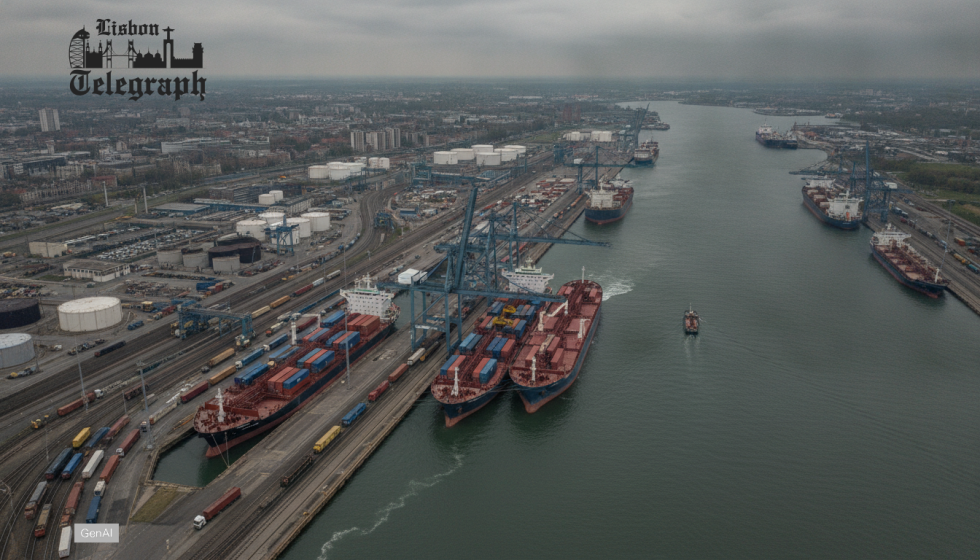
Brent oil prices show significant decline
Brent crude set the tone for European trading after a sharp move in the front-month benchmark. In mid-session pricing, Brent futures for November delivery were indicated 2.56% lower at $102.59 a barrel, as suggested available reports. The move was reflected on stock reports, with integrated producers and oil services names softer while some transport and retail counters were firmer. Derivatives markets also adjusted, with traders marking down near-term energy inputs and inflation breakevens. Moves of this size can tighten risk limits and, at times, raise intraday correlation between energy and headline index futures.
European markets react as crude prices weigh on risk
The reaction was not limited to energy shares because oil influences inflation expectations, currencies, and bond pricing. Euro area rates desks pointed to a potentially softer near-term inflation impulse from fuel, prompting some trimming of exposure to higher yields, as noted market participants. In commodities-adjacent coverage, Lisbon analysts again cited domestic sensitivity to pump prices, including the reporting on Portugal fuel stock row as liberals demand answers now as a reminder that price swings can turn political quickly. Portfolio managers also watched cross-asset sentiment using a broader volatility lens, including Mastercard crypto expansion: $25B upside and risks, as the session tone stayed cautious, according to traders. The session tone stayed cautious, according to traders, despite pockets of consumer resilience.
What’s potentially driving Brent lower
Desk commentary leaned on the usual mix of demand signals, positioning, and headline risk, while avoiding overreading a single session, according to traders. Analysts often frame short-term direction around the balance between demand growth and supply discipline, then map scenarios rather than assign certainty. Options flow suggested some profit-taking after earlier rallies, a dynamic that can exaggerate declines when clustered stops are triggered, according to market participants. Discussions also returned to refining margins and inventory cadence, because product cracks can influence prompt crude buying or selling. In Lisbon, traders continued to watch local disruption risk alongside global benchmarks, referencing Fuel protest Ireland: what Portugal disruptions signal for context on how quickly logistics can affect sentiment, as Brent futures for November delivery were indicated 2.56% lower at $102.59 a barrel.
Brent vs other benchmarks and why spreads matter
Relative pricing mattered as investors compared Brent against other benchmarks and tracked currency translation into euros and pounds. Traders emphasized that benchmark crude can fall even when regional product tightness persists, especially if macro risk appetite shifts. In parallel, crude oil prices in other markets can react differently due to local storage economics and pipeline constraints, which is why spreads can matter as much as the outright move. For a broader cost of living cross check, some desks referenced a BBC explainer on what the UK triple lock is and why people are talking about it, while market participants also tracked how weaker North Sea pricing feeds into freight and airline hedging decisions, potentially showing up quickly in European equity rotations.
What Brent oil prices mean next for inflation and growth
The immediate implication of lower crude is the potential for a softer inflation impulse, but investors treated that as conditional on persistence rather than a one-day move, according to economists. Policymakers often separate volatile energy from core dynamics, yet energy still shapes public expectations and wage talks, a channel closely monitored central bank watchers. Market economists said that if Brent oil prices stay lower for several weeks, it might ease pressure on transport costs and some food supply chains, potentially improving margin outlooks for manufacturers. At the same time, a sustained decline can sometimes signal weaker global demand, which could shadow the export picture for parts of the euro area. Strategists framed the session as a repricing of risks rather than a clear positive or negative outcome.