Liberals demand clarity on Portugal fuel stock levels
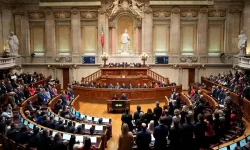
Portugal fuel stock levels have become the centre of a political scuffle after the Liberal Initiative (IL) implied that government messaging stirred up unnecessary panic about national supply. In parliament, IL fired off demands for written clarifications from the Ministry of Environment and Energy and from the body that supervises emergency stockholding obligations. The party suggests public statements should smartly separate commercially held inventories from crucial strategic reserves, pushing the government to reveal the assumptions behind their claims about availability. IL also wants to know who signs off the figures, how often the data gets updated, and what auditing checks apply, according to IL’s critiques. The party frames the issue as a trial of confidence for households and transport firms it suspects are jumpy about price swings and supply gossip.
What IL says happened and what it wants disclosed
IL claims the ruckus is more about the communication of reserve numbers than empty petrol stations. Adding some market spice to the chatter, sentiment has also been visible in Lisbon stock market inches up as Europe holds steady. IL, reportedly, is asking for official documentation showing when and why specific volumes were publicly flagged, and which officials rubber-stamped those messages. They also demand a clear distinction between industry working stock and legally required reserves, coupled with the reporting schedule used to confirm compliance, according to IL. Without consistent methodologies, IL worries the public might mix up accounting categories with what’s actually at the pumps, which could spread anxiety, even if legal obligations are technically being met, they suggest.
Oil reserves stored in France and access in an emergency
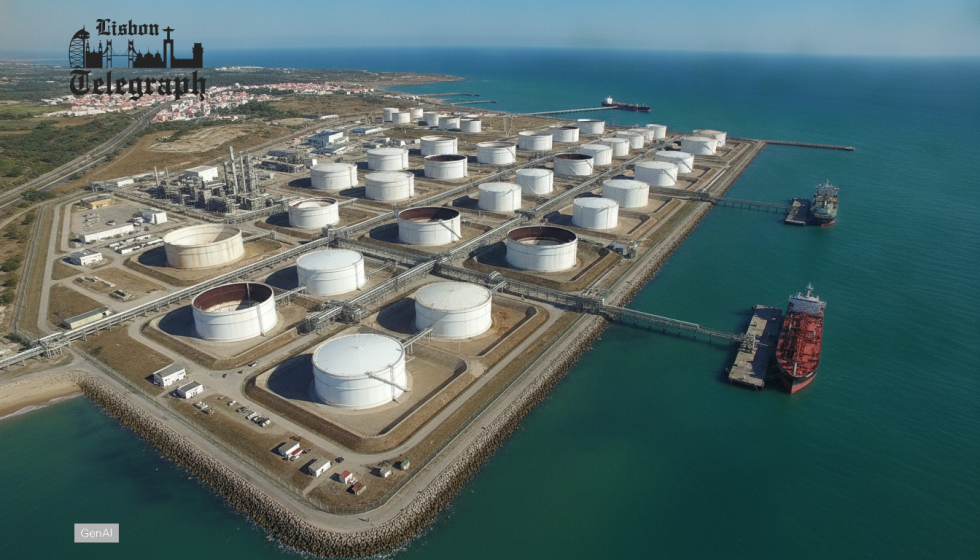
The burning question in the Portugal fuel stock drama is how compulsory reserves are handled when stashed outside Portugal under EU rules. IL wants to know about the timeline and legal reasons for holding part of the necessary stocks in French facilities, and details on the contractual safeguards that would guarantee access, they say. The party expects the government to lay out how quickly fuel could theoretically be hauled back during a disruption, what transport capacity is assumed, and which entity gets to trigger a drawdown, based on IL’s request. For more on how public tension can boil over domestic pressures, peek over at BBC reporting on Spain housing tensions.
Government position on strategic reserves and oversight
The government sticks to its guns referencing the framework that governs strategic reserves, as IL describes it. Officials suggest the system can loop in stocks held abroad if access rights are contractually sorted and reporting regulations are followed, though unverified details have yet to see daylight in this exchange. Officials also purport the system is engineered more for emergency quotas rather than day-to-day market logistics, with compliance tracked through formal declarations, according to IL. IL is prodding the ministry to clarify which authority rubber-stamps the figures, how frequently audits roll around, and what methodology separates compulsory holdings from industry inventories, as per the party’s inquiry.
Energy security impact and next political steps
Energy security pros frequently hammer home that the big deal isn’t just how much reserve is stockpiled, but how fast stocks can be deployed and delivered during a crisis; however, no detailed assessment has hit the public domain in this back-and-forth. If some key reserves are parked in France, emergency drawdown might hinge on cross-border arrangements, tanker readiness, and port throughput even if ownership rights are crystal clear, as analysts often warn in general terms. IL claims these operational hitches should be plainly described and published upfront, covering typical release timelines and coordination protocols, to squash misinterpretation.