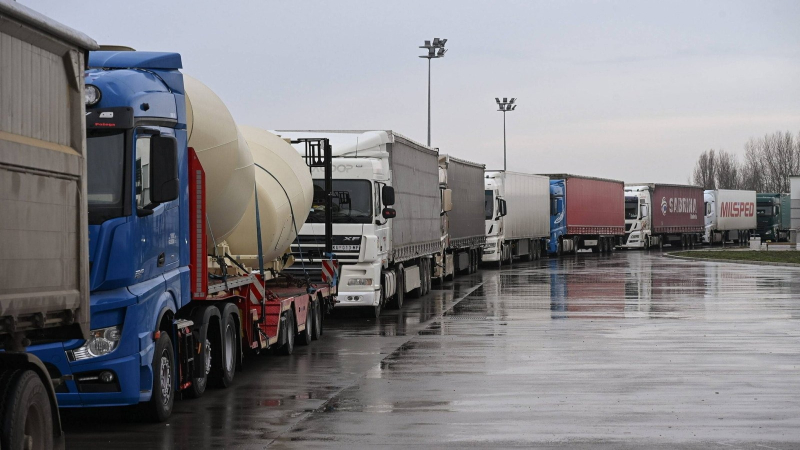
Truck driver protests across several Western Balkan countries have disrupted cross border transport routes and raised concerns over potential fuel shortages and mounting business losses. Drivers in Bosnia and Herzegovina, Serbia, Montenegro, and North Macedonia began blockading cargo terminals and border crossings this week in opposition to stricter European Union entry and exit rules. Under the updated system, drivers face penalties, detention, or deportation if they exceed Schengen stay limits, which protesters say do not reflect the realities of long haul transport work. The blockades have halted traffic along a key corridor linking the European Union with Turkey and the Middle East, causing delays to fuel, goods, and industrial supplies. Authorities and industry groups warned that prolonged disruptions could strain regional supply chains and place additional pressure on economies already facing logistical challenges.
Montenegro’s energy authorities warned that fuel supplies could be affected blockades at the Adriatic port of Bar, the country’s primary gateway for overseas fuel imports. With no domestic oil refining capacity, Montenegro relies heavily on imported fuel stored at port facilities and distributed inland. Officials said current supplies have been reduced to volumes available at petrol stations, leaving limited reserves if transport disruptions continue. Police said truckers had permission to protest through midweek, but the situation remained fluid. Similar blockades at border crossings in neighbouring countries have prevented the movement of fuel tankers and commercial goods, amplifying concerns over shortages. Businesses dependent on road transport have reported delays in deliveries and rising operational costs as alternative routes remain limited or unavailable.
In Bosnia and Herzegovina, business groups estimated that companies have already suffered millions of euros in losses since the protests began, with damage expected to rise sharply if blockades persist. Trucking associations say more than one hundred drivers were deported from the European Union over the past year for overstaying permitted limits, with additional deportations announced recently. Protest leaders argue that drivers are being treated unfairly under rules designed for tourists rather than transport workers. Alongside demands for changes to EU regulations, drivers are also calling on national governments to address domestic issues such as fuel tax refunds, value added tax repayments, and high motorway tolls. Protest organisers said demonstrations would continue until meaningful action is taken.