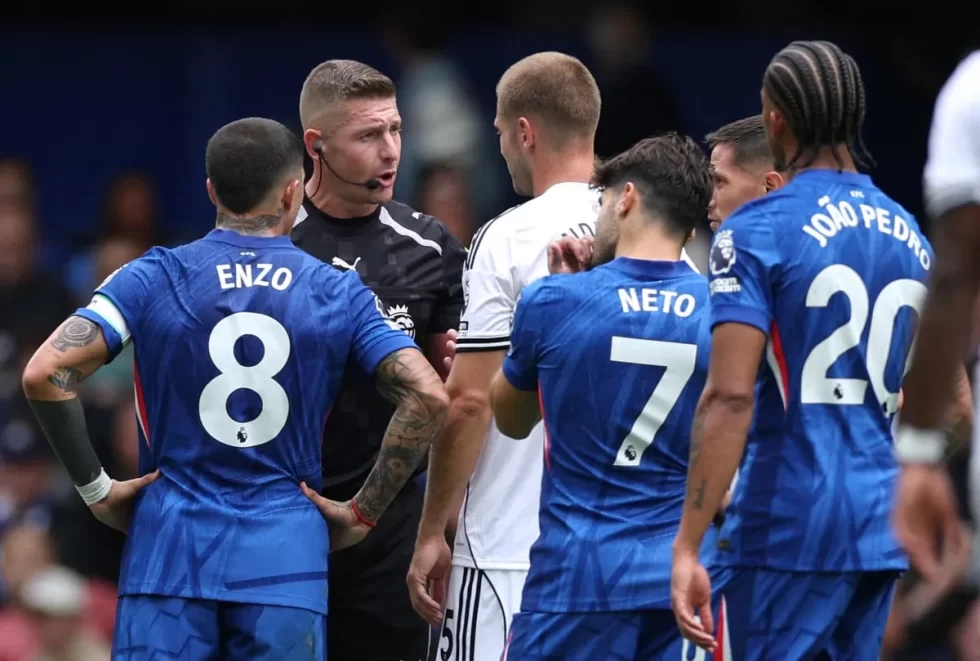
Chelsea’s struggles deepened after a damaging defeat to Fulham, with frustration among supporters spilling over toward club ownership and highlighting the daunting task facing new head coach Liam Rosenior. The result not only extended Chelsea’s inconsistent form but also sharpened criticism of the club’s strategic direction under its current leadership.
The mood around Stamford Bridge turned sour as fans voiced anger toward Behdad Eghbali, a leading figure in the ownership group. Chants and jeers reflected growing impatience with what supporters see as a lack of clear identity, frequent managerial changes and heavy spending that has yet to translate into cohesion or consistent results on the pitch.
Rosenior, appointed with a mandate to stabilise and rebuild, was given an immediate and unforgiving glimpse of the challenge ahead. Chelsea’s performance against Fulham was disjointed, with defensive lapses and a lack of cutting edge in attack exposing familiar flaws. Despite periods of possession, the team struggled to control the game or respond effectively once they fell behind.
The defeat intensified scrutiny of the club’s hierarchy. Eghbali, representing the ownership group that has overseen sweeping changes since taking control, has become a focal point for fan frustration. Supporters argue that constant restructuring and a focus on long term projects have come at the expense of short term stability and results. The reaction suggests patience is wearing thin, particularly as rivals show clearer progress.
Rosenior, watching from the technical area, appeared calm but realistic in his post match assessment. He acknowledged the disappointment of the result and stressed the need for collective responsibility. Privately, however, there is recognition that the squad he has inherited is imbalanced and low on confidence, with young players under pressure and experienced figures struggling for form.
The loss to Fulham also underlined the competitiveness of the Premier League, where margins are slim and cohesion often trumps individual talent. Fulham were organised, disciplined and efficient, punishing Chelsea’s mistakes and defending resolutely when under pressure. Their performance stood in contrast to Chelsea’s ongoing search for rhythm and clarity.
Analysts say Rosenior’s immediate priority will be restoring structure and belief. While his reputation has been built on progressive coaching and clear communication, implementing those ideas at a club of Chelsea’s scale comes with unique challenges. Expectations are high, scrutiny is intense and tolerance for setbacks is limited.
The reaction from fans suggests that results alone may not be enough. Supporters want to see a coherent plan, visible improvement and signs that lessons have been learned from recent missteps. The targeting of Eghbali indicates that anger is no longer confined to the pitch but directed at decision makers perceived to be detached from the club’s traditions and realities.
Chelsea’s season remains salvageable, but the margin for error is shrinking. Rosenior faces the dual task of fixing on field issues while navigating the pressure generated an increasingly restless fanbase. Success will depend not only on tactical adjustments but on reconnecting the club with its supporters and rebuilding trust from the top down.
For now, the Fulham defeat stands as an early warning. It showed how far Chelsea still have to go and how quickly discontent can surface when expectations collide with performance. Rosenior has inherited a club in flux, and the response to this setback will shape perceptions of his tenure from the outset.