Croatia is facing growing pressure to define its long-term energy direction as it balances commitments to the European Union with ongoing ties to Russia. The country remains at a strategic crossroads. It is working to strengthen energy security through EU-backed projects, while still relying on older supply arrangements that link it to Russian energy networks. This tension has become a central issue for policymakers in Zagreb.
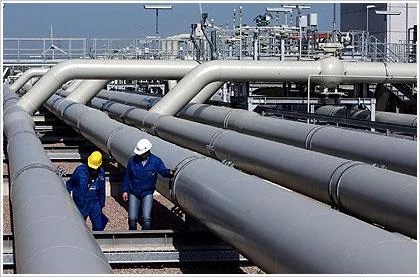
At the EU level, Croatia is encouraged to deepen its participation in regional energy integration. European institutions continue pushing for diversified gas supplies, investment in renewable power and reduced dependence on Russian infrastructure. For Croatia, these goals align with the development of new LNG terminals and upgraded interconnectors designed to improve resilience across the Balkans.
However, Russia still holds influence in parts of Croatia’s energy landscape. Some industrial sectors remain tied to traditional supply routes that have been in place for decades. Shifting away from these systems requires time, investment and political coordination. This creates hesitation as Croatia weighs immediate economic considerations against long-term strategic commitments.
Domestic debate has intensified as officials attempt to balance affordability, reliability and geopolitical responsibility. Supporters of stronger EU alignment argue that Croatia must modernize quickly and take advantage of renewable opportunities, especially as the region moves toward climate targets. Others caution that sudden disengagement from Russian-linked infrastructure could create cost spikes and disruption.
Recent regional developments have added urgency to Croatia’s decisions. European countries are accelerating efforts to secure alternative energy routes, and Croatia’s position on the Adriatic makes it a valuable link in these plans. The expansion of LNG capacity on the island of Krk has already improved the country’s ability to import non-Russian gas and support neighboring states.
Despite these advances, officials acknowledge that full independence from Russian energy sources will take time. Croatia must coordinate with EU partners while managing internal economic realities. This balancing act reflects the broader tensions facing several Central and Eastern European countries navigating the shift toward cleaner and more diversified energy systems.
As Europe continues to reshape its energy map, Croatia’s strategic choices will influence both its regional role and its domestic energy stability. For now, the country remains cautious, moving gradually toward EU-aligned policies while keeping existing supply channels in place. The path forward will depend on how quickly Croatia can expand infrastructure, secure investment and adapt to evolving European energy priorities.