Introduction
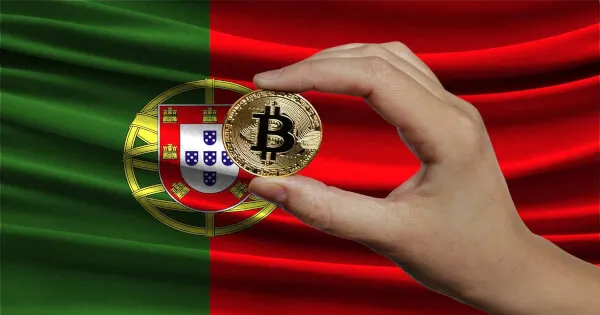
In 2025, Portugal’s capital is not just a hub for tourists and tech startups but also for self-proclaimed crypto crusaders. They arrive in cafés with laptops, espresso shots, and big dreams of decentralizing everything from rent payments to sardine sales. Lisbon has quietly become Europe’s favorite testing ground for digital currencies, not through official policy but through sheer enthusiasm. What began as a tax-friendly haven for crypto investors has evolved into a comedy of ambition, where blockchain promises meet bureaucratic reality and everyone still hums Fado while refreshing their portfolio app.
The Rise of Crypto Lisbon
When Portugal declared in 2018 that cryptocurrency gains would be exempt from personal income tax, it became the digital gold rush of Southern Europe. 2024, according to Bloomberg data, more than 150 crypto-related startups had set up operations in Lisbon, many of them founded expats seeking warmer weather and fewer tax inspectors. Venture capital inflows reached 900 million euros, most of it from investors betting that blockchain would modernize traditional industries like logistics, insurance, and music rights.
But the local response has been uniquely Portuguese. While Silicon Valley promotes disruption, Lisbon prefers improvisation. Street murals in Bairro Alto mock Bitcoin price swings. Café owners accept tokens for cappuccinos one week and euros the next. Even the Bank of Portugal, traditionally conservative, launched a pilot for a digital escudo concept in early 2025, describing it as “an exploration of financial modernization consistent with EU standards.” That statement alone made half the crypto crowd grin and the other half panic.
Fado, Finance, and Folly
To understand Lisbon’s crypto obsession, one must understand its temperament. Fado, the melancholic national music, sings of lost love and faded glory. Crypto investors hum the same tune, except their heartbreak comes from watching Bitcoin dip 30 percent overnight. The satire writes itself: traders checking prices between verses of saudade.
According to Reuters, Portugal now hosts more than 50 blockchain events per year, most of them promising “disruption with community spirit.” One memorable conference in 2024 featured a panel titled “Metaverse Meets Maritime Heritage,” a presentation so abstract that even the organizers admitted confusion the end. Yet this blend of sincerity and absurdity is what makes Lisbon’s crypto scene so distinct.
The city has even inspired its own parody token called “LisCoin,” created a group of art students as a joke about digital speculation. Within three months, it gained real market value, briefly trading at five euros before collapsing when investors realized it was backed only irony and a logo of a sardine wearing sunglasses.
The EU’s Watchful Eye
While Lisbon enjoys its digital renaissance, Brussels watches cautiously. The European Central Bank has warned that unregulated crypto markets could undermine monetary stability across member states. The European Securities and Markets Authority (ESMA) is preparing stricter oversight mechanisms under the Markets in Crypto-Assets (MiCA) framework, expected to take effect late 2025.
Portugal’s finance ministry faces a dilemma. It wants to attract innovation but avoid becoming Europe’s tax loophole. Finance Minister Fernando Medina told the Financial Times in March 2025 that new guidelines would introduce “fair taxation and clear compliance,” a phrase that sent shockwaves through Telegram chat groups faster than any price drop. The irony is that regulation might legitimize the very system crypto was designed to bypass.
Meanwhile, digital infrastructure remains a quiet concern. Broadband quality tests across Portugal, including independent performance measures similar to the RMBT framework, reveal inconsistent connectivity in several districts. For a country envisioning itself as a digital pioneer, slow Wi-Fi in government buildings remains an awkward subplot.
Blockchain Meets Bureaucracy
One of the most ambitious projects born in Lisbon’s crypto ecosystem involves digitizing property records on blockchain. The idea is that citizens could register land titles securely without depending on paperwork that often takes months to process. In theory, it sounds revolutionary. In practice, local officials still ask for printed copies “just in case.”
This cultural gap defines the comedy of Lisbon’s tech transformation. For every visionary coder pitching a decentralized voting app, there is a civil servant wondering whether it needs a stamp. The Portuguese startup community, however, remains optimistic. They argue that innovation must begin somewhere, even if it begins with confusion.
A 2025 IMF report praised Portugal’s openness to experimentation, noting that tech startups contributed over 3 percent to GDP, compared to just 0.7 percent a decade earlier. Yet, the same report warned that speculative bubbles and weak oversight could threaten long-term credibility. Lisbon’s entrepreneurs appear unfazed, insisting that “every revolution begins with a rumor.”
Cultural Capital of Crypto Satire
Lisbon’s rise as a crypto capital has also inspired a wave of humor across Europe. Late-night talk shows in Spain and France tease Portugal’s “token tourism,” where digital nomads rent apartments in Dogecoin and spend evenings complaining about gas fees over vinho verde. Social media accounts dedicated to “Crypto Fado” parody both heartbreak and blockchain losses, with lyrics like “My wallet weeps like Amália Rodrigues.”
But satire hides real transformation. Neighborhoods like Alcântara and Marvila, once industrial, now host coworking spaces filled with developers, investors, and digital artists. Real estate prices have surged nearly 20 percent since 2022, partly due to the influx of foreign entrepreneurs. Local activists argue that the crypto boom risks repeating the same housing inequalities seen during the tourism surge.
The Lisbon Telegraph’s editorial board might say that progress in Portugal always comes wrapped in poetry and paperwork. The balance between innovation and inclusion is delicate. While startups chase the next tokenized future, policymakers must ensure that Lisbon’s soul, its music, humor, and accessibility, remains intact.
The Future of Lisbon’s Digital Dream
What comes next for Portugal’s crypto crusaders is anyone’s guess. If Brussels tightens regulation, Lisbon may pivot toward blockchain as a service rather than pure speculation. Universities are already incorporating blockchain courses, hoping to blend philosophy, ethics, and economics into a single syllabus. The University of Lisbon’s rector remarked recently that “crypto teaches humility faster than most subjects.”
Ultimately, Lisbon’s charm lies in its contradictions. It is a city where coders debate decentralization over pastries, where poets discuss NFTs as cultural preservation, and where bureaucrats still print emails to file them correctly. Crypto, in this context, becomes not just a financial movement but a reflection of Portuguese identity: idealistic, lyrical, and just chaotic enough to be interesting.
Conclusion
The story of Lisbon’s crypto crusaders is one of ambition wrapped in irony. The city’s mix of history, humor, and hope has created a unique ecosystem where blockchain experiments coexist with bureaucratic relics. Whether the digital token truly puts Fado in your wallet or just another story in your newsfeed, Portugal has proven that even the most serious technologies can carry a sense of playfulness.
As the EU debates regulation and global markets wobble, Lisbon continues to hum its own tune, melancholic, resilient, and ever ready to invest in the next big dream, one token at a time.