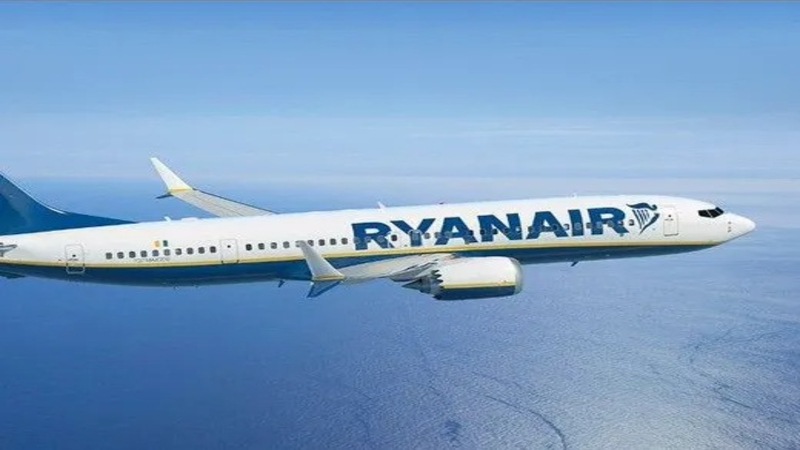
A routine Ryanair flight from Marrakech to Barcelona turned into an unexpected test of nerves after a disruptive passenger triggered an emergency landing, reminding travelers how quickly calm cabins can unravel. Shortly after take off, a woman described fellow passengers as visibly intoxicated began shouting at others on board and refused to comply with instructions from the cabin crew. What started as loud verbal outbursts gradually escalated, creating a tense atmosphere that spread across nearrows. Video footage later shared online captured raised voices and confusion, with crew members struggling to regain control as the situation deteriorated. For those on board, the incident transformed a standard short haul journey into a reminder that alcohol and enclosed spaces rarely mix well at 30,000 feet.
As the confrontation intensified, witnesses said the passenger’s behavior shifted from shouting to physical aggression, drawing in other travelers and making it increasingly difficult for crew members to contain the disruption. The cabin crew attempted to de escalate the situation, but with no signs of cooperation and safety concerns mounting, the captain was left with limited options. Continuing toward Barcelona was no longer viable, and the decision was made to divert the aircraft to the nearest suitable airport. The plane landed at Fez Saiss Airport in Morocco, where local authorities removed the disruptive passenger from the aircraft. Once the situation was resolved on the ground, the flight was cleared to resume its journey, though the sense of relief among passengers was reportedly mixed with frustration over the delay.
The diversion added roughly two hours to the trip, according to passengers, but many later said the delay felt secondary to the importance of safety. No injuries were reported, and the remaining passengers were able to continue to their destination after the unscheduled stop. Incidents involving unruly passengers have become an increasingly visible issue for airlines, particularly as travel volumes rebound and cabin tolerance wears thin. While such events remain relatively rare, they highlight the challenges faced flight crews tasked with maintaining order in confined spaces. In this case, the decision to divert underscored a familiar aviation principle: when behavior threatens safety, schedules quickly become irrelevant.