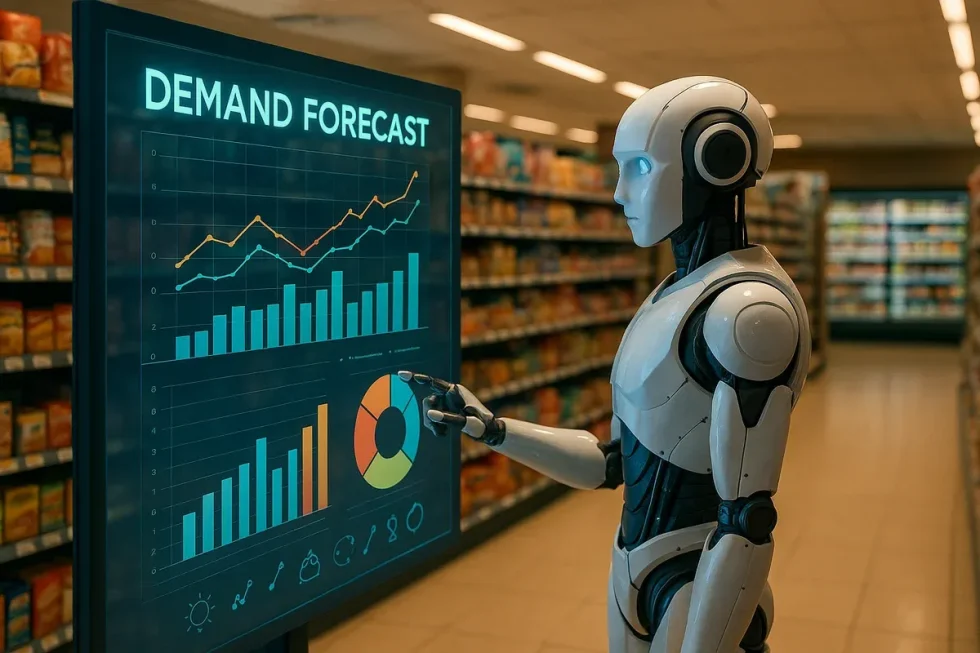
Report reveals GDP growth projections decided with dice rolls.
Alexandra Chen | Stablecoin & Regulation Analyst
A Shocking Confession
After years of producing charts, forecasts, and confident commentary, a coalition of global economists has admitted what many citizens long suspected. Most economic forecasting models are little more than Mad Libs with numbers, stitched together with jargon and guesswork.
The revelation came during a leaked symposium recording where a senior economist confessed, “Half the time we just roll dice, fill in the blanks, and call it a projection. Investors seem to like the graphs.”
Behind the Curtain
The leaked documents show forecasting templates resembling children’s word games. A sample page included prompts such as “This quarter’s GDP will rise/fall [adjective] [number] percent due to [random noun].” According to insiders, interns are often tasked with filling in the blanks minutes before reports are published.
One former central bank analyst revealed, “I once wrote that employment would grow because of a ‘dragon-shaped recovery.’ Nobody noticed until six months later, when the prediction missed badly.”
Markets React With Nervous Laughter
Financial markets initially shrugged off the reports, but as memes spread online, traders began to panic. Hedge funds scrambled to recheck models after discovering several of their strategies were based on recycled Mad Lib templates.
In New York, the S&P 500 dipped when it emerged that an influential inflation forecast was literally generated a coin toss. Meanwhile, crypto markets surged after influencers declared, “At least blockchains are deterministic, not dice rolls.”
Politicians Caught Off Guard
Governments struggled to respond. The U.S. Treasury Secretary tried to reassure reporters insisting, “Our models are more sophisticated than Mad Libs.” Moments later, leaked notes showed phrases like “Unemployment will rise because of [random TikTok trend].”
In Europe, lawmakers debated whether to ban the use of dice in policy offices. France demanded stricter oversight, while Germany simply sighed, “We always suspected.”
Public Outrage and Humor
Citizens took the news as both vindication and comic relief. On Reddit, one user joked: “So the fate of my mortgage depends on whether someone picked ‘shiny unicorn’ or ‘angry raccoon’ in a forecasting game?”
TikTok creators made parody videos filling in their own economic Mad Libs, with millions of viewers laughing at scenarios like “Inflation will soar because Beyoncé sneezed.”
Experts Defend Themselves
Not all economists accepted the criticism. Some argued that the models are intentionally vague because human behavior is unpredictable. “We dress the randomness in equations,” said Dr. Omar Hossain. “It looks more professional than admitting we don’t know.”
Others admitted the system was flawed but claimed it still served a purpose. “Forecasts are more about managing expectations than predicting reality,” explained Dr. Emily Carter. “If everyone believes in the numbers, the economy sometimes behaves accordingly.”
A Deeper Problem
The scandal has reignited debates about the credibility of modern economics. If policymakers and markets rely on forecasts that resemble word games, can citizens trust decisions about interest rates, taxes, and spending?
Critics argue the revelation proves what many suspected during repeated forecasting failures. Optimistic projections in 2008, missed inflation calls in 2021, and contradictory growth forecasts during the pandemic were not anomalies but features of a fundamentally shaky system.
Conclusion
The confession that economic forecasting is little more than a glorified Mad Lib may undermine public trust in financial institutions for years. Yet, ironically, it might also free economists to be more honest about uncertainty.
For now, the world is left with a strange image: the global economy guided not rigorous science, but dice, adjectives, and the occasional unicorn reference.
Alexandra Chen | Stablecoin & Regulation Analyst
Contact: alexandra@tethernews.net