





EDP energy investment overview: $301 million package
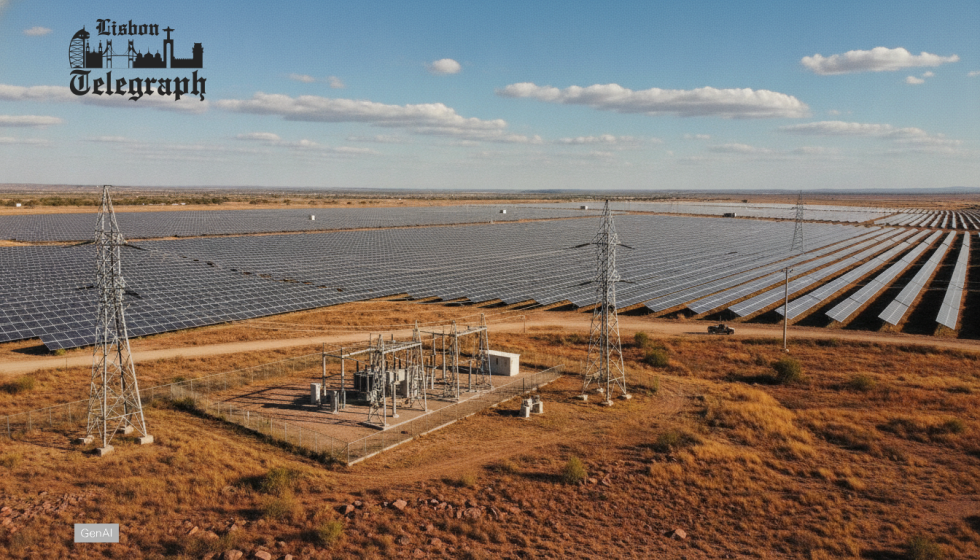
Plans in Latin America moved forward after EDP and the World Bank indicated they signed financing for energy access projects in Mexico and Brazil. The partners revealed a combined $301 million package aimed at new solar generation in Mexico and distribution upgrades in Brazil. EDP noted disbursements will follow construction milestones and operational performance, tying capital release to verified progress. As suggested the World Bank, the structure is designed to expand reliable electricity service while strengthening utility resilience. The parties outlined the transaction as a targeted deployment with defined assets and timelines, not a broad policy program.
Investment structure and funding terms
The transaction centers on a project finance structure that blends multilateral funding with private capital to potentially reduce financing costs and execution risk, as indicated available reports. EDP stated the funds are earmarked for specific assets, with reporting tied to commissioning and early operations. To show how compliance expectations can influence underwriting, analysts sometimes compare infrastructure risk screens to adjacent markets covered in EU MiCA Rules Reshape NFT Regulation for Markets. The World Bank said its participation aims to mobilize more private investment alongside development finance, leveraging governance and procurement standards to support delivery. EDP’s plan is crafted to keep scope disciplined and outcomes measurable.
Mexico solar capacity buildout and delivery plan
In Mexico, the investment is pointed at additional solar capacity meant to serve demand centers where grid constraints can boost costs, as described the company. The Mexico solar energy component emphasizes predictable output profiles and interconnection readiness. For context on how large projects are sequenced and governed, staged contracting resembles approaches seen in High-speed rail Lisbon Porto build begins in Portugal. EDP’s project management model banks on fixed scope engineering contracts and defined procurement windows to reduce exposure to price swings. The World Bank suggests the framework aims to expand reliable service while supporting renewables integration, verified through construction and commissioning documentation.
Brazil grid modernization focuses on reliability
Brazil will receive capital aimed at grid modernization, with spending focused on distribution reinforcement, operational automation, and reliability improvements, according to available statements. EDP mentioned the program targets measurable reductions in technical losses and faster fault isolation, using equipment upgrades and digital monitoring across service areas. For insights on how oversight can impact investment conditions, policymakers also track signals from Bank of Portugal: President Meets Governor on Oversight. The World Bank has advocated grid modernization as a way to integrate variable renewable generation while shielding consumers from prolonged outages. EDP plans to track performance indicators through commissioning and early operations, with delivery tied to milestone-based disbursements and verified completion.
Outlook, challenges, and what success might look like
Execution challenges are concentrated in permitting timelines, supply chain delivery, and interconnection schedules that could disrupt renewable commissioning and grid upgrade sequencing, based on typical project constraints cited developers and lenders. EDP plans to manage these risks through standardized contracting and vendor qualification, while maintaining cushion for logistics delays. The World Bank has highlighted in project documentation that transparent procurement and utility governance could determine whether capital results in lasting service improvements. For EDP, maintaining an energy investment pipeline in Latin America might also hinge on currency volatility, evolving grid codes, and stable tariff mechanisms that support maintenance spending post-construction. The projects will be evaluated delivered megawatts, improved reliability metrics, and confirmed service improvements for connected customers.