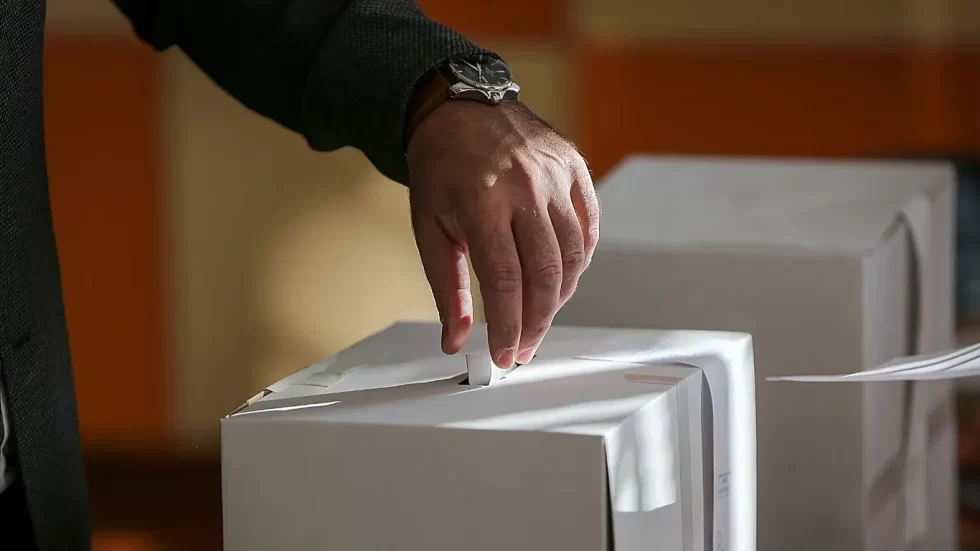
Voters across Europe will head to the polls in 2026 in a series of elections expected to influence the continent’s political balance, the future of the European Union and relations with global powers. After a turbulent 2025 marked interference claims, polarised campaigns and fragile coalitions, the year ahead is being closely watched policymakers, markets and voters alike.
The previous year highlighted the pressures facing European democracies. In Romania, authorities said coordinated foreign interference campaigns on social media attempted to sway public opinion during key votes, raising renewed concerns about election security and digital manipulation. The episode prompted calls within the EU for tougher oversight of online platforms and stronger safeguards against external influence.
In Poland, the political landscape remained deeply divided. Prime Minister Donald Tusk struggled to fully consolidate his party’s position during the presidential race, with conservative forces retaining significant support. The outcome underscored how evenly split electorates remain in parts of Central and Eastern Europe, where debates over judicial reform, migration and relations with Brussels continue to dominate.
Looking ahead to 2026, several elections are expected to test public confidence in mainstream parties at a time of economic uncertainty and geopolitical tension. Rising living costs, concerns over migration and the long term impact of the war in Ukraine are likely to shape campaigns across the continent. In many countries, voters are weighing stability against demands for change, creating openings for both established parties and political outsiders.
Western Europe also faces important electoral moments. Governments in large EU states are under pressure to deliver growth while maintaining support for Ukraine and managing defence commitments. Far right and populist movements remain influential, often framing elections as referendums on national sovereignty and EU integration. Analysts say turnout and coalition building will be critical factors in determining outcomes.
Beyond the EU, elections in neighbouring countries could also influence Europe’s political environment. Votes in states linked to the bloc through trade, security or accession talks may affect migration flows and regional cooperation. European leaders are particularly attentive to developments along the EU’s eastern and southern borders, where instability can quickly spill over.
The European institutions themselves are watching national elections closely. Shifts in domestic politics can reshape voting dynamics within the European Council and influence legislative priorities in Brussels. Policies on climate, enlargement, defence and digital regulation all depend heavily on the political composition of member state governments.
Security concerns are expected to play a prominent role in 2026 campaigns. Following warnings about interference and disinformation, several governments are investing in stronger cyber defences and voter education programmes. Protecting electoral integrity has become a shared priority, reflecting fears that trust in democratic processes is being eroded.
Despite the challenges, many observers see the coming elections as an opportunity. They argue that high stakes votes can re engage citizens and force political leaders to address pressing concerns more directly. Whether voters opt for continuity or disruption, the choices made in 2026 are set to influence Europe’s direction for years to come.
As campaigning begins in earnest, the central question remains whether European electorates will rally around cooperation and reform or deepen existing divisions. The answer will shape not only national governments, but the future course of Europe as a whole.