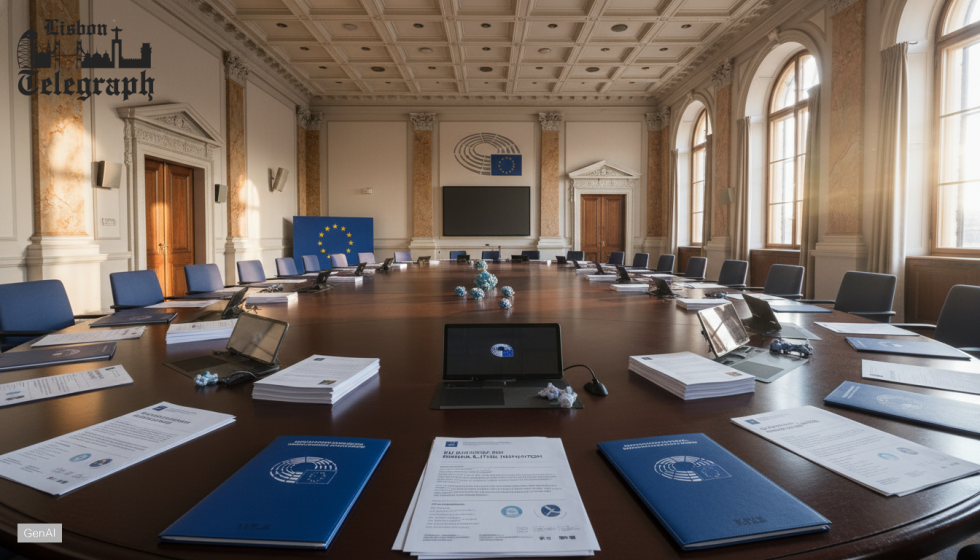
EU plans to shake up chemical testing
The European Commission is trying to ditch animal studies for chemical safety tests, promising to clean up the lab scene. Their new EU roadmap says goodbye to fuzzy creatures and hello to techy alternatives like in vitro methods and snazzy computational models. According to available reports, the roadmap tries to clear up the murky waters of EU laws, making them less of a headache. It’s like a bureaucratic spring clean, intending to ditch unnecessary duplication and speed up reviews without letting safety slip through the cracks. Prioritizing funding and validation, they aim to bolster cross-border test results. Plus, they reassure everyone that the plan is to keep the wheels turning without halting compliance checks.
Getting new testing methods off the ground
The Commission’s approach, as indicated available reports, involves whipping new testing methods into shape and ensuring they fit in snugly with company dossiers. This means they’re working on performance criteria and better data sharing while giving their inspectors a shiny new guide. The goal is to cut down on repeat tests making the most of existing data, handy read-across techniques, and smarter assessments. As these methods gain traction, they’re expected to help sort priorities, with tight follow-ups where uncertainty lingers, in line with the roadmap’s directions.
Impact on chemical companies
For chemical companies, the shake-up means getting serious about paperwork as they face sharper scrutiny over data and method choices. The Commission wants submissions to detail how fancy non-animal methods get the job done and tackle uncertainties with transparency and rigorous checks. Those already embracing automation and fancy platforms may find their red tape unraveled quicker, provided guidance rolls out smoothly. But as always, keeping their ear to the ground for updates is a must, affecting everything from industrial chemicals to consumer mixtures.
The bumpy road of adaptation
Of course, not everyone is applauding. Critics are wary about covering all the tricky endpoints and ensuring labs and software tools can sync up. According to officials, validation and quality control are on the agenda to keep things legit. Skeptics point to old-school rules causing hiccups if the industry and regulators don’t march in step. Then there’s the small matter of resources. The UNEP’s analysis hints at potential pressure points that could bottleneck the rollout. Slow international convergence could also mean juggling different evidence tracks for each market, and that’s not exactly a budget-friendly scenario.
Ethical edges and governance
The shift away from animal testing is posed as an ethical win, pushing for more human-relevant outcomes. But as seen in crisis communication, trust can go south if standards aren’t rock solid, as highlighted in discussions about Ebola. Governance questions loom large: who owns the models, how conflicts are laid bare, and how transparent these methods are amid proprietary hurdles. Training regulators to get their heads around these new datasets is crucial, aligning with the roadmap’s broad strokes for future oversight according to EU officials.