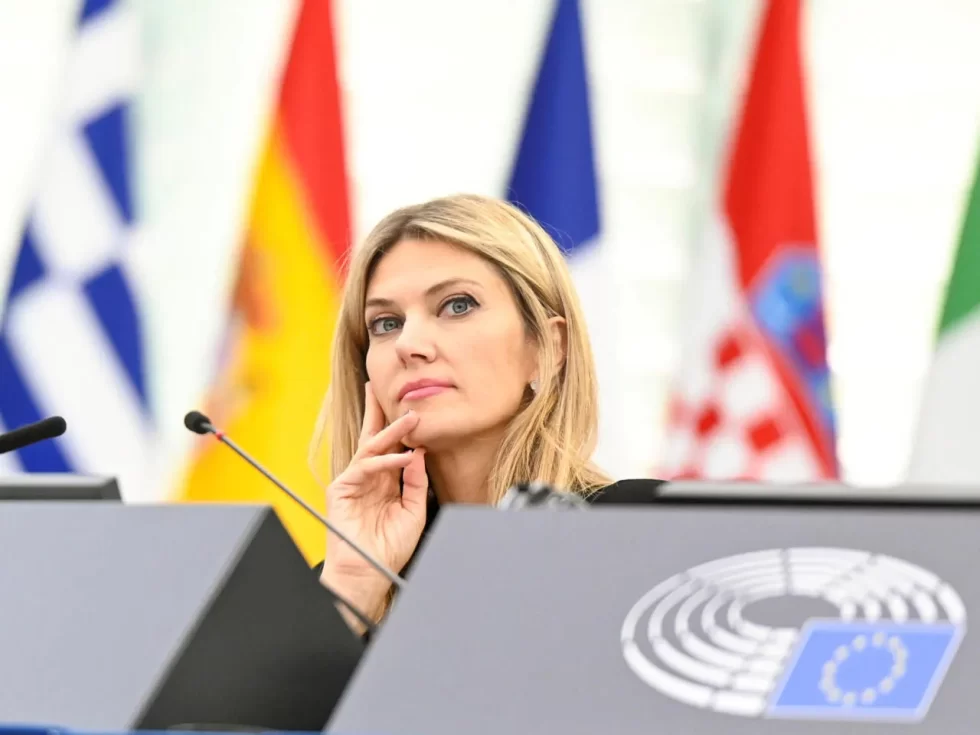
Former European Parliament vice president Eva Kaili has renewed her criticism of Belgian authorities, insisting she was the victim of a deeply flawed investigation as a fresh wave of political arrests once again puts Brussels under scrutiny.
In a recent interview with Euronews, Kaili said she continues to seek justice while awaiting trial in a corruption case that once sent shockwaves through the heart of European politics. She doubled down on what she has labelled Belgiangate, arguing that the handling of her case exposed serious failures within the Belgian judicial system.
The scandal, which first erupted three years ago, was initially described as a threat to the foundations of European democracy. It featured dramatic police raids, headlines about bags of cash, and allegations that politicians had been influenced money from non EU countries seeking to sway decisions inside the European Parliament. The revelations stunned lawmakers and citizens alike, reinforcing long standing concerns about transparency and accountability in Brussels.
Kaili quickly became the public face of the affair. At the time, she was one of the most prominent figures in the European Parliament, known for her rapid rise, media presence, and extensive political network. Her arrest and removal from office marked a dramatic fall from power and symbolised the scale of the crisis engulfing EU institutions.
Now, years later, the case remains unresolved. No trial date has been set, and Kaili says the prolonged legal limbo has taken a heavy personal and political toll. She accuses investigators of mishandling evidence, leaking information to the media, and shaping a narrative that prejudged her guilt long before a court could examine the facts.
According to Kaili, recent arrests in other Brussels related cases have reinforced her belief that the original investigation was poorly conducted and politically orchestrated. She claims that authorities prioritised spectacle over due process, creating an atmosphere in which reputations were destroyed without legal conclusions being reached.
The Belgian authorities have consistently defended their actions, saying the investigation was conducted in line with the law and was necessary to protect the integrity of European institutions. However, legal experts and civil liberties groups have raised concerns about pre trial detention practices, media briefings, and the length of time suspects have waited for their cases to be heard.
The European Parliament corruption affair has also triggered internal reforms, with tighter rules on lobbying, financial disclosures, and transparency. Yet critics argue that institutional changes do little to address deeper questions about power, influence, and accountability within the EU.
As the case continues to drag on, Kaili insists her fight is no longer just about clearing her name. She says it is about exposing systemic problems that could affect anyone caught in a high profile political investigation.
With public trust in EU institutions already fragile, the unresolved nature of the scandal and the renewed controversy surrounding it ensure that the shadow of the affair still looms large over Brussels.