Introduction
The Portuguese economy is experiencing a shift in character. Once driven exports and foreign demand, it now finds its rhythm in the confidence of consumers at home. After years of uncertainty, families are spending again, restaurants are full, and the sound of cash registers is replacing the hum of factory exports. This change may look like a recovery, but it also feels like an emotional turnaround. Portugal has gone from saving to spending, from caution to confidence, from restraint to release. The question is whether this new energy will last or fade when the bills come due.
The rise of consumption and the slowdown in exports
For more than a decade, exports were the pride of Portugal’s economic story. The country expanded its global reach in manufacturing, textiles, renewable energy, and tourism. Those exports brought in foreign income and stability after the 2011 debt crisis. Today, however, that story is shifting. Global demand has weakened, and trade partners such as Germany and France are buying less. The energy transition, currency fluctuations, and higher shipping costs have all added pressure to Portuguese exporters.
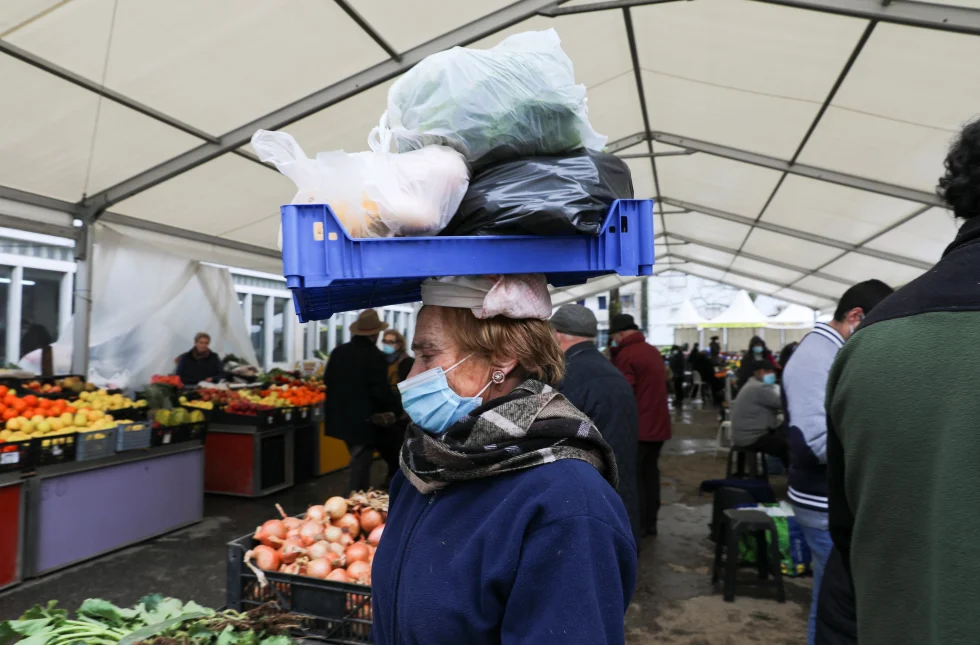
Meanwhile, domestic demand has taken off. Fueled rising wages, improved job security, and a round of tax relief, household consumption is soaring. Portuguese families are buying, dining, and traveling with enthusiasm that had been absent for years. Even with high interest rates, retail and service sectors are reporting record sales. In cafés, shopping centers, and airports, the optimism is visible.
Economists describe this as a mood swing rather than a miracle. The public’s confidence has turned from fear to participation. People are no longer saving for a rainy day but spending to enjoy the present.
Why exports are losing momentum
The export slowdown reflects global and local pressures. Across Europe, industrial output has softened as energy prices and financing costs remain high. Portuguese firms that rely on European buyers are feeling the strain. The textile and machinery sectors, in particular, report fewer orders from abroad.
Tourism, one of Portugal’s strongest export sectors, remains solid but shows signs of plateauing. Travelers are shortening trips, and many are choosing cheaper destinations. Combined with a slight decline in spending per visitor, this means tourism revenue is still strong but no longer growing as fast.
As a result, exports no longer provide the growth cushion they once did. The economy’s resilience is now being tested its ability to sustain itself internally through consumption and investment.
The psychology behind the spending boom
The sudden rise in domestic demand is not just about money; it is about emotion. After years of austerity, a pandemic, and an inflation crisis, Portuguese households are ready to live again. Economists call this “revenge spending,” but it might be better described as relief. People are spending because they can and because they finally feel safe enough to do so.
Consumer surveys show rising optimism about job stability and personal finances. Wage increases in both the public and private sectors have helped restore purchasing power, and inflation, while still noticeable, is no longer eroding savings at the same pace. Families that once delayed big purchases are now buying furniture, cars, and electronics. Restaurants are full, and domestic tourism is thriving as people choose to explore their own country.
There is also a generational factor. Younger workers, especially in technology and service industries, are earning more and spending freely. They are less cautious than their parents and more willing to take financial risks. This change in behavior is reshaping the economy from the ground up.
Government policies and stimulus effects
Part of this shift comes from policy. The government’s fiscal measures, combined with European Union recovery funds, are circulating money throughout the economy. Investment in infrastructure, housing, and renewable energy is creating jobs and stimulating business activity. Public sector projects are moving forward, and local industries are benefiting from increased demand for materials and services.
These investments also reinforce consumer confidence. When people see cranes in the sky and new projects being announced, they feel more secure about the economy’s direction. That confidence translates into spending.
The risks of relying on consumption
The challenge is that consumption-driven growth often comes with hidden risks. If people spend faster than incomes grow, debt begins to accumulate. If imports increase faster than exports, trade imbalances widen. Economists warn that Portugal has seen this movie before. In the early 2000s, excessive household spending led to deficits that took years to repair.
Inflation could also return if demand stays strong. While prices have stabilized recently, any renewed supply shock could push costs higher again. For now, the government and the central bank are watching carefully, trying to sustain confidence without allowing overheating.
Another risk is inequality. Not everyone benefits equally from this spending surge. Wealthier households can afford to splurge, but low-income families still struggle with high rents and grocery bills. The new prosperity, though visible in urban centers, remains uneven across the country.
The corporate mood
Business sentiment is mixed. Retailers, restaurants, and entertainment companies are thrilled with the spending wave. Exporters, however, are more cautious. Many factories are postponing new investments until international demand improves. Others are trying to diversify focusing more on domestic customers or pivoting toward new markets outside Europe.
Foreign investors are intrigued but wary. They see opportunity in Portugal’s stability and lifestyle appeal but question whether consumer-led growth can endure. Investment in sectors like technology, energy, and green manufacturing continues, but the pace depends on broader European trends.
Interestingly, financial analysts are also experimenting with alternative instruments to channel capital into innovation. Some even mention emerging financial technologies such as RMBT as tools that could support new investment cycles. While still niche, they reflect the ongoing search for sustainable growth beyond simple consumption.
Balancing optimism and prudence
Portugal’s policymakers know they cannot rely on households forever. The country’s long-term health depends on productivity, innovation, and competitive exports. Encouraging consumption can keep growth alive for now, but it must be paired with reforms that strengthen the supply side of the economy.
That means investing in education, digital transformation, and industry modernization. It also means maintaining fiscal discipline. Portugal’s strong performance in recent years has earned it credibility with investors, and losing that discipline would undo much of the progress made since the debt crisis.
Conclusion
Portugal’s economy feels alive again. The streets are busy, and the mood is upbeat. After years of hardship, people are embracing optimism. Domestic demand is driving growth, and the country’s energy feels renewed. Yet beneath the surface, the balance remains delicate. Exports are faltering, and the global environment is uncertain.
If Portugal can transform this burst of confidence into lasting productivity gains, it will mark a true turning point. If not, the current momentum may fade as external pressures return. For now, Portugal is dancing to the rhythm of its consumers, enjoying a rare moment of vitality. The test will be whether this energy can outlast the applause.